

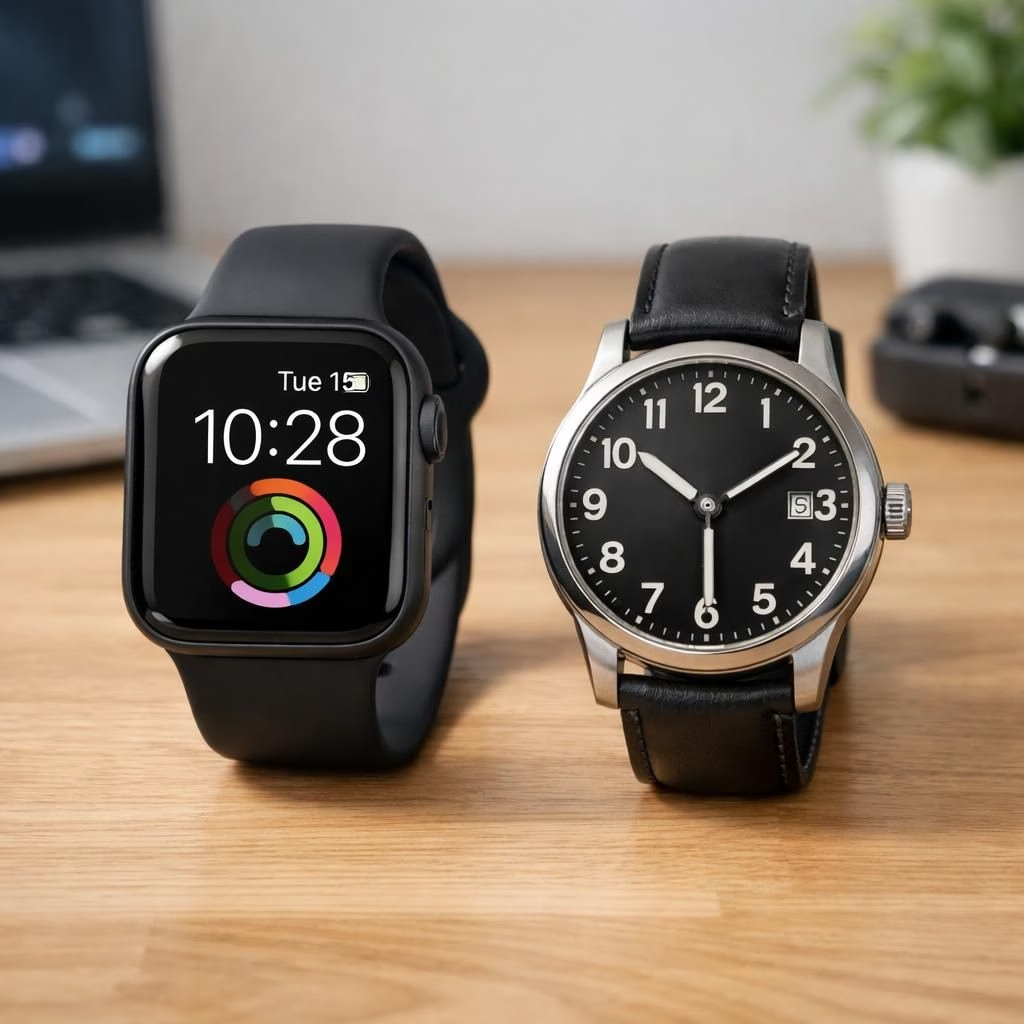
If you thought a watch was just a watch, think again. The smartwatch and the classic watch share a page in the same history book, each chasing time in its own way. In the past two decades, wristwear has shifted from a simple time-teller to a multi-tool that tracks health, helps you find your phone, and even acts as a tiny confidant during meetings. And yes, this evolution makes them both a lot more interesting than a stale calendar reminder.
Why are they gaining popularity? People want a bundle of features, not just hour and minute readings. The newest wearables blend fitness metrics, notifications, and a touch of personal style into a single, on-wrist package. In 2026, prices have democratized access to sensors and smart software, so you can dip a toe into health tracking, GPS, or emergency features without selling a kidney to pay for it. This accessibility has helped a broad range of users find models that fit their needs and budgets.
smartwatch: What makes it tick
The smartwatch is essentially a tiny computer strapped to your wrist. It tracks heart rate, steps, sleep, and sometimes blood oxygen, ECG, or stress levels. It can nudge you to breathe, remind you to take a break, and ping your phone when it misplaces itself in the couch cushions. The charm lies in a blend of health data, quick replies, and the fact you can glance at it without pulling out a bigger device. For many users, the smartwatch is a daily coach and a pocket-sized assistant rolled into two inches of glass and sensors. If you’re new to wearables, start with basic health tracking and a comfortable strap; you’ll quickly grow into the ecosystem without feeling overwhelmed.
- Health tracking helps you monitor heart rate, sleep, and activity at a glance.
- Safety and emergency features like SOS, fall detection (for the brave), and satellite connectivity in remote areas.
- Productivity helpers to manage calls, messages, calendar, weather, and finding your phone with a tap.
Battery life is a practical reality; bigger batteries mean fewer charges, though screen brightness and sensors affect endurance. Expect a range from a day to several days depending on the model and usage. Some premium models offer extended modes that squeeze more battery life with limited features.
classic watch: Craft meets endurance
Despite the smart revolution, the classic watch remains a symbol of craftsmanship and heritage. It doesn’t rely on software updates to stay relevant; it thrives on mechanical precision, timeless design, and long battery life that can span years. Some models even become family heirlooms. They pair well with a modern ecosystem but keep their own identity intact. The classic watch continues to appeal to those who value lineage and a low-maintenance approach to timekeeping.
When choosing a classic watch, people consider durability, craftsmanship, movement type, and brand history. You’ll see a spectrum from robust plainer designs to luxury pieces that hold value or even appreciate over time. The point isn’t nostalgia alone; it’s a practical decision for people who want longevity and a different kind of happiness on the wrist.
Which makes more sense in daily life: smartwatch or classic watch?
They each serve different lifeworlds. A classic watch adds ceremony and character, while a smartwatch adds connectivity and data. If you want a fitness partner and a discrete assistant on your wrist, the classic watch is not the right fit for that role. For many people, a balanced approach works best: wearing a smartwatch during the day and a classic watch for special occasions or caretaking moments.
Another practical approach is to rotate watches based on mood, activity, or setting. The right choice depends on how you want to interact with time and what you value most on any given day.
In the end, the best choice depends on your life. Do you crave data and convenience or a piece of living history? Let us know your take in the comments below and tell us how you plan to wear your timepiece in 2026.
Original article: classic watch — Hindustan Times
References
- Hindustan Times – Smartwatch vs Classic Watch
- Apple Watch health and connectivity features
- Britannica wristwatch overview