

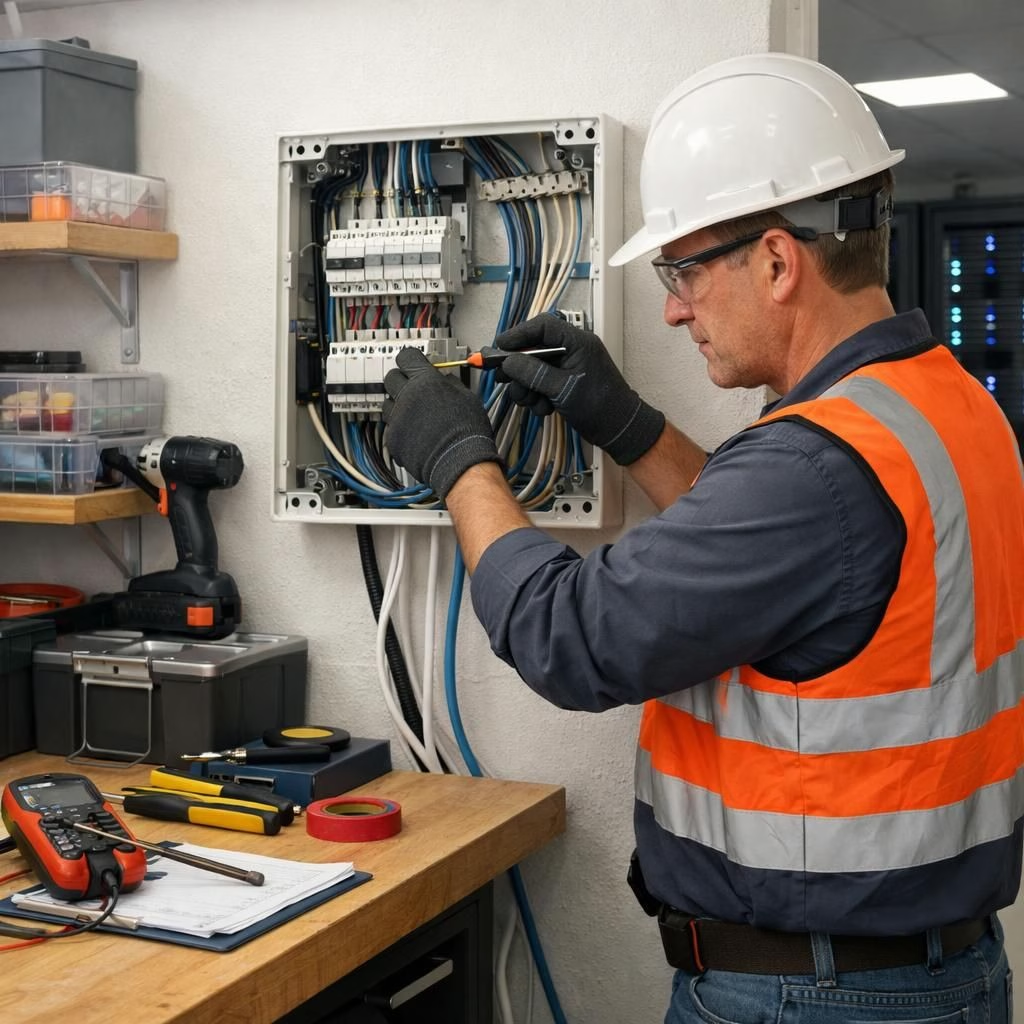
In the AI era, skilled trades are no longer the neglected cousin of college tracks. They are a robust, growing option that pays well and keeps you out of debt’s long shadow. The appeal isn’t nostalgia for shop class. It’s a practical answer to a modern economy that runs on batteries, servers, and hands-on troubleshooting. This article translates Mike Rowe’s core truth into a positive, pragmatic lens: celebrate skilled trades and the AI era together with skilled trades because work you can see, touch, and fix matters.
Skilled trades in the AI era: A practical path forward
Rowe recalls a history where shop classes disappeared and debt climbed. The data center anecdote—electricians earning six figures with little or no college debt—reads like a compass. It is not an isolated tale; many electricians in big cities enjoy sturdy pipelines from apprentice to licensed pro. Wages rise as systems scale and new technologies appear. The AI era heightens demand for troubleshooting, safety, and reliable performance. Workers who can connect theory to real-world fixes stay in demand. The skilled trades now blend craft with digital know-how, and that fusion creates growing opportunity for skilled trades professionals.
For families weighing options, this is clarity, not a sneer at books. The path to a secure career need not require a mountain of debt. It offers choice: vocational tracks that prize apprenticeships, hands-on training, and certifications. It brings dignity by tying work to essential infrastructure, energy, and tech ecosystems. Practical problem solving remains central as technology evolves, and hands-on credentials align with real demand.
Practically speaking, pursuing a skilled trades track means a blend of classroom study and hands-on practice. Apprentices earn while they learn and build portfolios of real projects. They forge professional networks with foremen, engineers, and vendors, increasing job prospects and earnings. The pathway now rewards people who master new tools, from smart meters to digital oscilloscopes and energy-management software. Those skills translate into better jobs with mobility across regions and industries.
If you’re curious about the skilled trades, start with curiosity and then seek a structured path—apprenticeships, trade schools, or community college tracks that emphasize hands-on training. Find mentors who translate theory into practice. Practice safety, document your work, and build a portfolio that shows your diagnostic and repair skills. Those abilities are currency. The more you can demonstrate what you can do, the more employers will value you.
There is also a cultural shift worth noting. The debt-centric story of college is being balanced by pride in craft and craft’s daily impact. The evolving tech landscape highlights the importance of reliable infrastructure and resilient systems. Skilled trades workers are essential to every sector, and their pay will reflect the demand. This isn’t a windfall; it’s a sustained, rational adjustment in how work is valued in a tech-forward economy.
To sum up, these diverse paths offer durable options for success. The skilled trades provide a sturdy alternative with real income and meaningful, visible results. Electricians, welders, and technicians are not relics; they are central to the future of work. As automation grows, the blend of craft and tech becomes more valuable. The future looks like a network of skilled tradespeople collaborating with engineers and software specialists—a partnership that sustains communities and careers.
What are your thoughts on skilled trades? If this resonates, share your experiences and questions in the comments below. We welcome your perspective and stories.
Original article: Mike Rowe on Trades and Degrees — thank you for the thoughtful material that inspired this piece.
Practical steps to pursue skilled trades
Practical experience matters as much as coursework. Here are concrete steps to get started:
- Explore local apprenticeship programs and trade schools that align with your interests and budget.
- Apply for entry-level roles or internships to gain hands-on exposure.
- Seek mentors who can translate theory into practical skills and help you build a portfolio.
- Document projects and certifications as you progress to improve job prospects.
Frequently asked questions
-
Do I need a college degree to pursue the skilled trades?
No. Many trades offer strong earning potential through apprenticeships, trades schools, and certificates.
-
How long does it take to train in trades?
Most apprenticeships run 3–5 years, combining paid work with classroom instruction.
-
Can skilled trades careers compete with college degrees?
Yes. Trades often provide clear pay ladders, benefits, and opportunities to advance into leadership or specialized roles.
-
What role does technology play in these trades?
Technology supports diagnostics, predictive maintenance, and energy management, but hands-on skills remain essential.
References
Further reading
- Electricians – U.S. Bureau of Labor Statistics
- Welders, Cutters, Solderers, and Brazers – BLS
- U.S. Department of Labor – Apprenticeships