

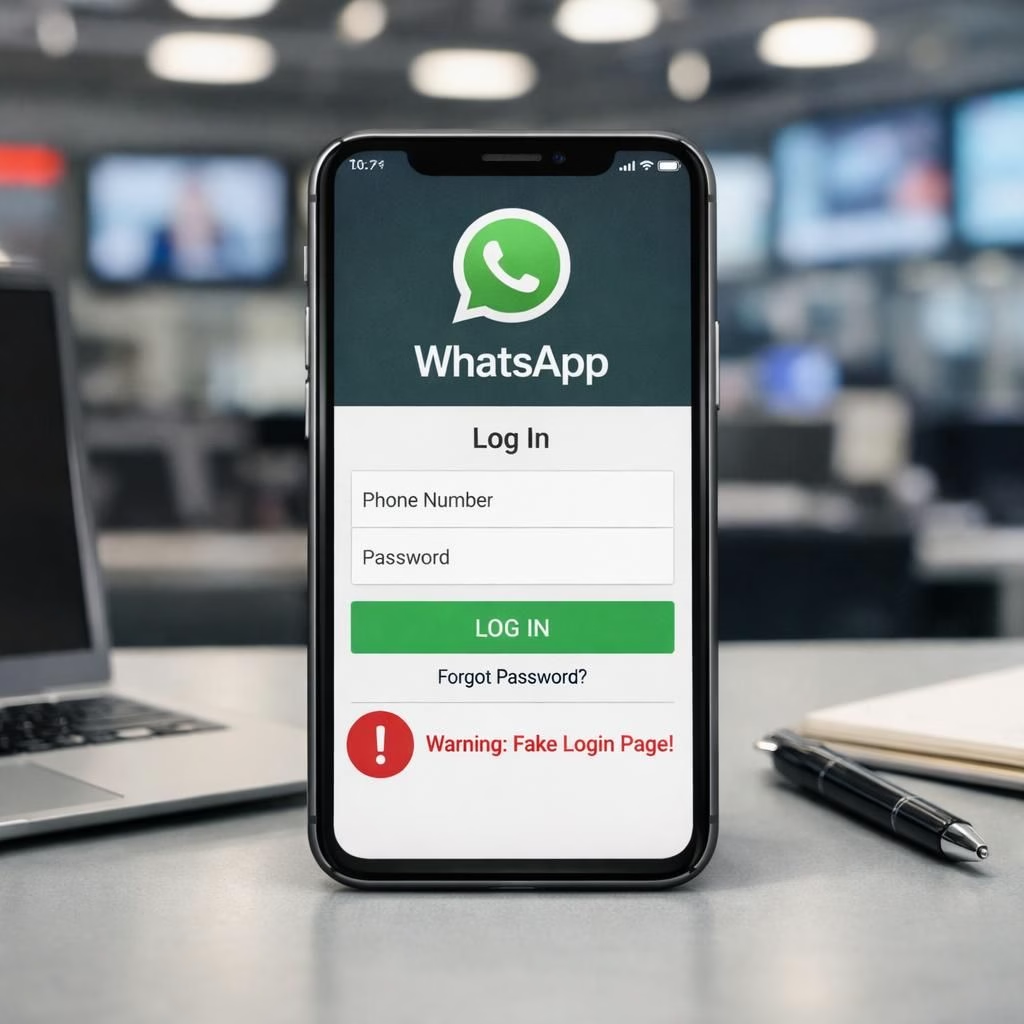
SecurityTips Italy2026 are more than slogans; they frame this pragmatic look at a targeted spyware scare around WhatsApp. An Italian surveillance firm, ASIGINT (a SIO subsidiary), tricked about 200 users into downloading a bogus version of WhatsApp that was rigged to spy on them. The operation relied on deception to impersonate WhatsApp and targeted victims primarily in Italy2026.
SecurityTips Italy2026: A closer look at the WhatsApp spyware tactic
WhatsApp confirmed the incident and offered a compact summary: a highly targeted campaign that used convincing branding to lure users. The fake app variant mimicked legitimate WhatsApp, complete with familiar icons, plausible prompts, and a smooth install path. In other words, the crooks did not ship a clumsy malware drop; they delivered a personal lure. The victims were labeled as primarily in Italy by investigators, a reminder that danger often wears ordinary clothes.
Italy2026: SecurityTips for staying alert in Italy’s digital landscape
ASIGINT’s own site lists partnerships with law enforcement, government agencies, and police units. It touts high-performance, field-proven cyber intelligence solutions and technology. That backdrop helps explain why some users trusted the brand well enough to install the fake app. The impersonation was deliberate, not accidental: a social engineering campaign that exploited trust, not a software flaw. Meta’s statement confirmed deception, not a vulnerability, is the heart of the story. This pattern aligns with a Italy2026 approach to social engineering.
The mechanics were simple but effective. Step one: a message arrives with what looks like a legitimate WhatsApp update or download link. Step two: the user installs a modified app that runs quietly in the background. Step three: the impostor app claims to be WhatsApp but secretly spies on messages, contacts, and device data. Step four: harvested data makes its way back to the operators, who can adapt future outreach based on what they learn. This is not a casual prank; it is a calculated access to private communications in the Italy2026 landscape.
All of this sits in the broader context of a continuing spyware saga in the Italy2026 landscape. This is the second time in about 15 months that Meta publicly disrupted spyware activity in Italy, following the Paragon exposure in early 2025. The fallout has included Italy severing ties with Paragon, signaling a more cautious stance toward questionable cyber vendors. In short, the country is recalibrating how it certifies and contracts for surveillance technology, even as bad actors push their luck with glossy branding.
In the Italy2026 era, vigilance matters more than ever. Do not install apps from outside official stores or from links in unsolicited messages. Always verify the developer’s credentials, check the app’s reviews, and keep device security features updated. Enable two-factor authentication where possible to add a second line of defense. For organizations, enforce strict third-party vendor assessments and adopt clear policies about when and how monitoring tools may be used. The goal is to raise the cost for deception while making legitimate security work more transparent and accountable.
What policymakers and tech platforms can do is equally important. Improve verification processes for app stores, document evidence of suspicious campaigns, and publish clearer guidance for users facing social-engineering attempts. SecurityTips for policymakers and platforms: adopt stronger verification and transparency measures, and ensure privacy protections accompany any monitoring tools.
Finally, if you found this analysis useful or have experiences of your own to share, please leave a comment below. Your thoughts help others recognize signs of fraud in the moment and improve digital habits. Original reporting and inspiration come from the original article linked below.
Original source: Indian Express coverage is the basis for this analysis, with details drawn from their reporting. See the full article in the References below.
Share your thoughts in the comments to join the discussion.
Original article attribution: Indian Express coverage (linked in References).
References
External resources: WhatsApp security tips, CISA Stop Phishing, FTC Phishing.