

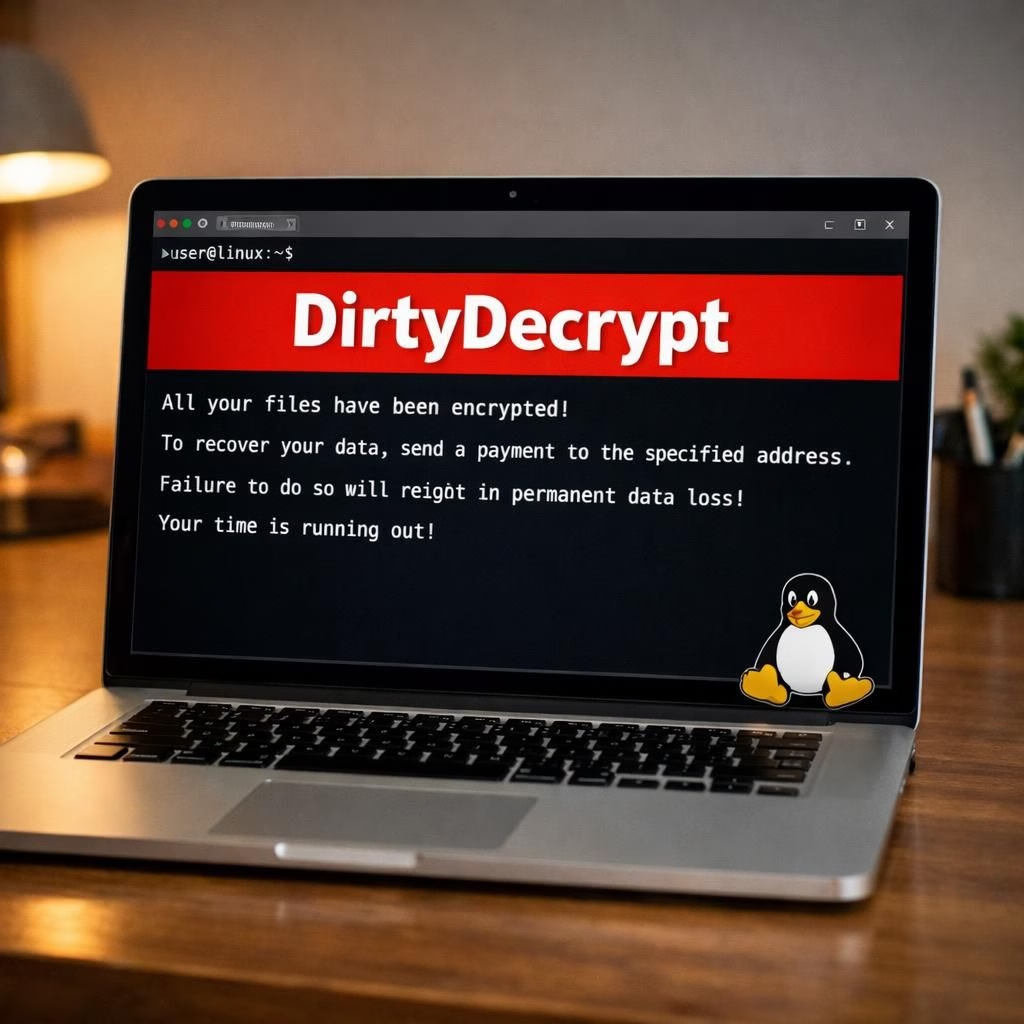
Welcome to a 2026 tour of Linux security tips. SecTips2026 keeps a friendly eye on the LinuxKernel as we explore the DirtyDecrypt root escalation. Expect a few companion vulnerabilities and plenty of practical takeaways. Patch cycles are real; so are the chances of misconfigurations in busy teams. Let’s dive in with a balanced mix of caution, humor, and helpful details.
The following sections break down what we know and what to do next.
SecTips2026 LinuxKernel Insights on DirtyDecrypt
Five reports converge on a common theme. DirtyDecrypt elevates privileges via a LinuxKernel path that expects safety checks but misses one detail. The headlines come from BleepingComputer, Ars Technica, wiz.io, ZDNET, and The Register. The pattern matters for admins. LinuxKernel readers should stay alert and patch regularly.
BleepingComputer kicked off the conversation; Ars Technica, wiz.io, ZDNET, and The Register followed. The core message is simple: prevent misuse by reducing the kernel surface and by verifying patches in a safe, staged environment. The takeaway is practical: know your kernel version, test patches, and document changes to avoid accidental backdoors in production.
AI-assisted fuzzing and careful human review evolve how flaws appear and how fast we fix them. The result is a healthier security posture rather than panic. LinuxKernel communities benefit from thoughtful, disciplined updates. The emphasis remains on patching, not paralysis, and on clear ownership of responsibility within teams.
Across the reports, the message stays consistent: surface area reduction, timely updates, and strict privilege control significantly cut risk. If your servers still run older kernels, consider staged upgrades, feature toggles, and robust monitoring that flags unusual privilege changes. The practical mood is calm, not cavalier—patches, tests, and playbooks beat panic every time. LinuxKernel readers should lean into a culture of continuous improvement rather than rushing to fix something after the fact.
For readers who want a grounded, numbers-backed view, these sources corroborate the reality: a LinuxKernel is a living beast, and even small misconfigurations can become big issues if left unchecked. AI-assisted discovery accelerates fault detection, but human oversight remains essential. The goal is resilience with minimal friction for legitimate users and admins alike, not perfectionism that stalls progress.
SecTips2026 LinuxKernel Defensive Playbook
In practice, here’s a practical checklist you can adopt today. Start with patch hygiene: verify and deploy kernel updates promptly, and test them in a staging environment before rolling out to production. Next, reduce the attack surface: disable unused modules, limit dangerous capabilities, and separate duties so no single host holds all the keys. Harden the kernel with lockdown features where supported, enable secure boot, and enforce signed modules to prevent tampering at boot. Third, tighten local access: apply least privilege, remove unnecessary setuid/setgid binaries, and monitor for odd permission changes. Fourth, strengthen monitoring: collect detailed logs, set up automated alerts for privilege escalations, and run regular drill simulations that mimic real-world abuse patterns. Finally, maintain an incident playbook that includes clear escalation paths and safe rollback procedures. The aim is not fear but preparedness, so teams can respond quickly and confidently when something unexpected happens.
Beyond the patch itself, integrate configuration management and change-control discipline. Keep an updated inventory of kernel versions, modules, and active services. Validate every change with a small blast radius, then scale up after a successful test. For broader context, see our earlier piece on Linux flaws and root access.
When you frame your work around these ideas, you’ll notice a simpler truth: the LinuxKernel landscape improves through steady, deliberate action. SecTips2026 followers know that steady progress beats sensational fear. LinuxKernel communities can thrive when admins stay curious and committed to best practices, even as new flaws appear.
Original reporting and gratitude: Exploit available for new DirtyDecrypt Linux root escalation flaw. Thank you to BleepingComputer for the original reporting and for raising awareness in 2026.
Have thoughts, experiences, or questions? Share them in the comments to join the discussion.
Internal note: contextual links
For broader context on related Linux flaws, see our earlier piece on Linux flaws and root access.