

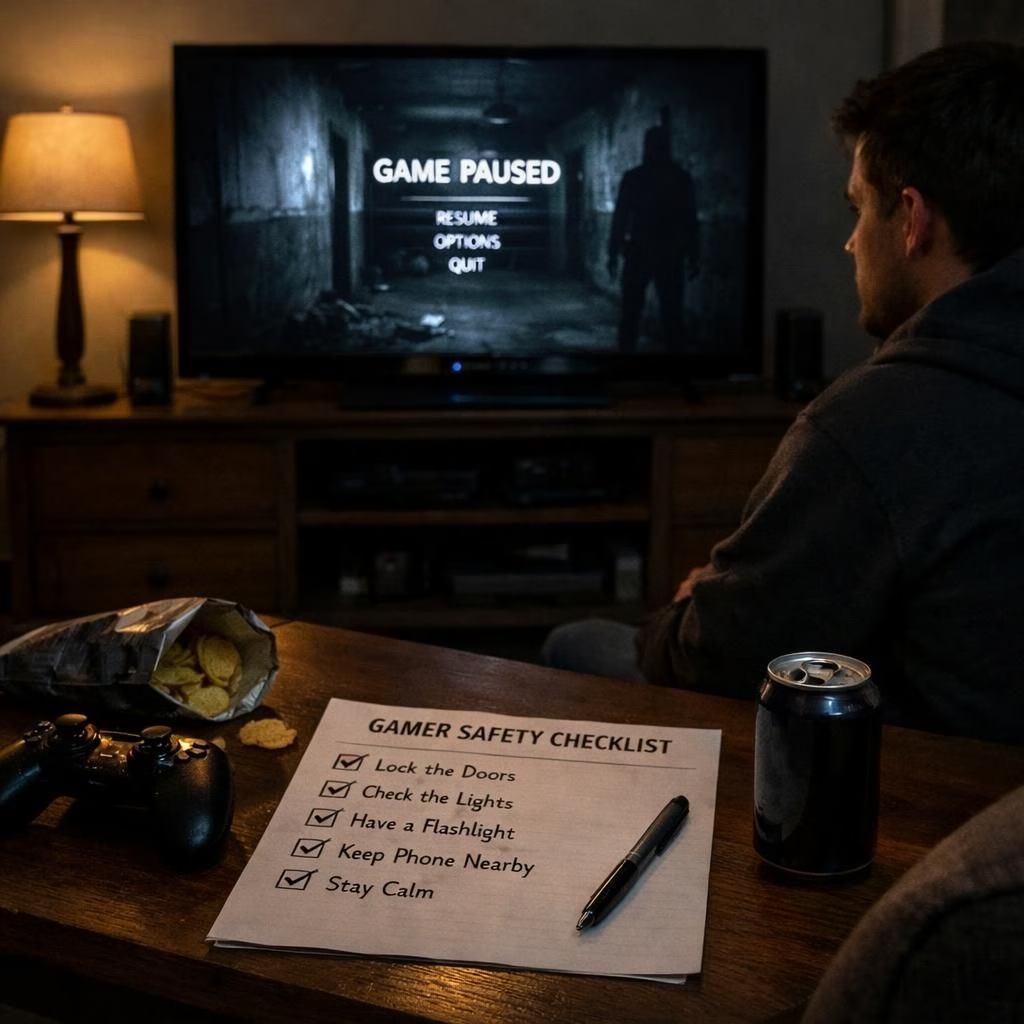
Safety and Scares meet in a cheerful tour through Resident Evil Requiem. Clever design turns dread into a do-not-disturb moment you can savor. The game proves that a well-timed pause and a brightly lit corridor feel like a safety briefing from a friend who wields a chainsaw responsibly.
RE Requiem’s best frights aren’t the jump Scares in a locked door. It’s the quiet calculus before it. Sound designers push expectations, but thoughtful pacing lets you appreciate the moment without feeling cornered.
Safety and Scares: Designing Comfort into RE Requiem
In practice, Scares aren’t the killjoy many fear. They’re the backbone of tension.
A corridor is lit just enough to reveal silhouettes. The echo of distant footsteps adds mood.
A map that doesn’t pretend you’re invincible helps you decide where to retreat. When you know you can retreat, the Scares feel earned.
Danger seems smaller, and your thoughts stay organized. The best moments reward careful exploration with a small victory, like finding a med kit as trouble arrives.
Safety and Scares in Player Strategy
Players unlock a smarter approach by treating Safety as an ally. Quick access inventories and deliberate pacing keep you in control.
Scares close in, yet you stay calm. The Scares become a chorus, reminding you fear is a shared experience.
You, the player, and a warning beep can handle this if you pause and plan. A save point, used wisely, turns panic into a strategic pause with a wink.
Beyond the thrill, RE Requiem folds in practical tips for real life. Create a safe gaming space with good lighting and minimal clutter. A beverage within reach helps calm nerves. When AI teammates or the camera pans reveal a pattern, you learn to anticipate. Scares become a friendly duet: you respect the world’s rules, and the world rewards you with crisp tension and tighter timing.
As Kotaku noted, the scare can be memorable when it arrives with calm, bureaucratic precision. The Requiem experience shows horror can be disciplined without losing bite. Thoughtful level design and a forgiving, tense atmosphere deserve credit. The balance between caution and curiosity is where the genre shines, and RE Requiem nails that balance with style. Kotaku coverage.
Have you found your own Scares moments that turned a potential fright into a controllable thrill? Share your thoughts and tactics in the comments. Tell us how you navigate the Scares without losing your cool.
Original Kotaku article and thanks: Original Kotaku article. Thank you for the thoughtful coverage that inspired this playful take in 2026.
Practical steps to blend Safety and Scares
- Step 1 — Space prep: ensure lighting is comfortable, clutter is minimized, and your Safety cues are easy to spot.
- Step 2 — Plan your retreat: map a quick route back to a safe zone before entering a tense area; use Scares as a signal rather than a surprise.
- Step 3 — Save strategically: use saves to pause, reassess, and avoid spiraling panic during a tough sequence.
FAQ
- What is the core idea behind Safety and Scares in RE Requiem?
It’s about balancing careful exploration with moments of relief so players feel in control while still being challenged. - How can I apply Safety in other horror games?
Keep environments well lit, plan retreat paths, and use save points to pause before danger escalates. - Why link Scares in this piece?
Linking helps show how fear comes from deliberate, rule-based moments rather than random shocks.
In short, you finish with a clearer sense of how to enjoy horror without getting overwhelmed. Safety remains the steady hand, and Scares become rewarding milestones rather than sudden shocks.
Conclusion
Safety guides pacing, and Scares reward smart play. Next time you jump, do it with a plan—and consider sharing your best Safety moments below.