

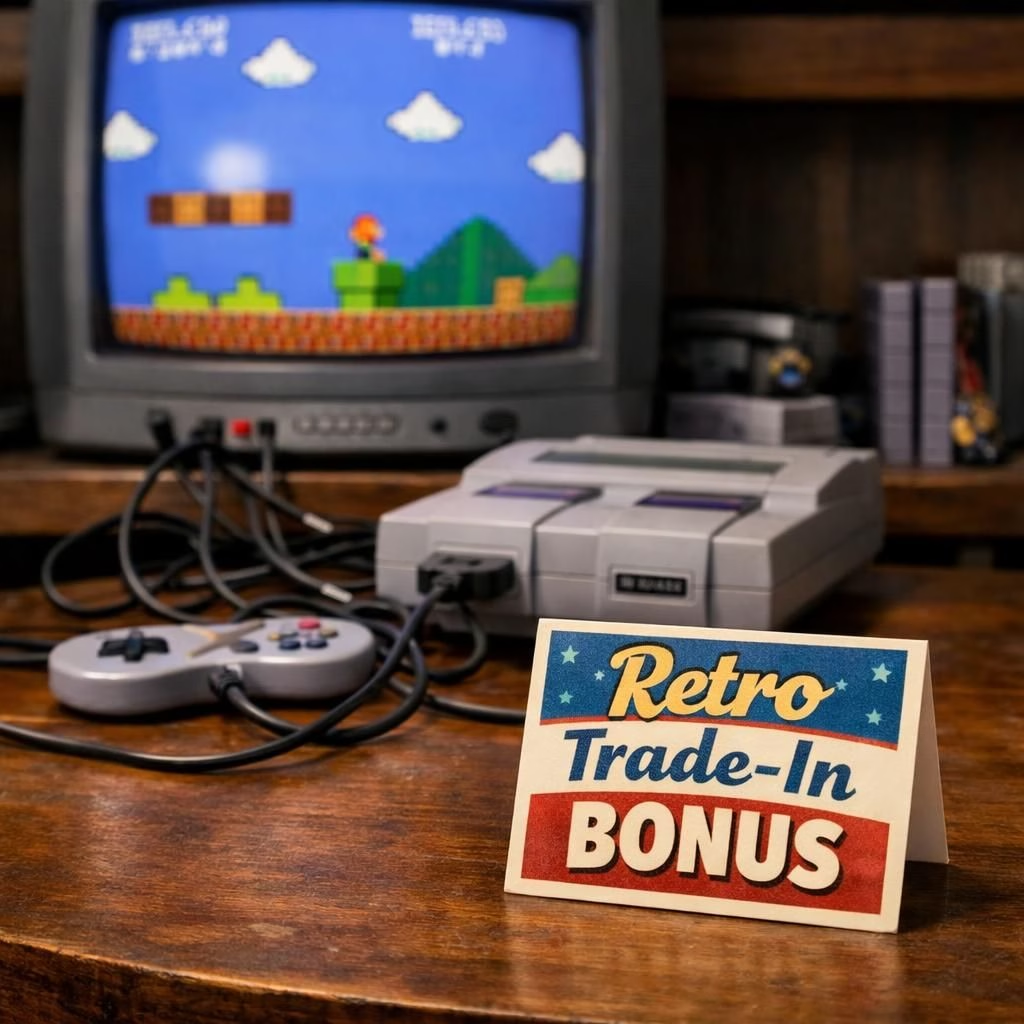
Retro is back, and retro Tag B has become a hashtag-friendly mood in stores and streams. GameStop’s note frames PS3, Xbox 360, and Wii U as retro consoles ready for a second life. The Retro Trade-In Bonus adds 10 percent more trade credit for older consoles, games, or accessories, including units with damaged cases or missing cables.
This attitude is less about trashing old tech and more about repurposing it. The tone signals that aging hardware can feel valued again in the right hands, while encouraging responsible recycling. You can trade in non-operable units if they pass a power-on test. In short, retro vibes meet practical value in Tag B retail. The result is a win for collectors, casual players, and the planet alike.
Retro Moves in the Gaming Market: A Nostalgia Play
The tongue-in-cheek note nods to history, joking that these consoles launched when George W. Bush was president and then correcting Wii U’s 2012 debut. The humor doesn’t undermine the deal; it highlights a broader truth: the line between old and new hardware keeps shifting. Retro classification is a practical lens for shoppers who want value and character. The policy allows trade-ins of controllers, cords, and accessories as part of a complete package. Even if some pieces show wear, the value remains. This move signals that Tag B nostalgia can power a smarter reuse economy rather than rush disposal.
Gaming Nostalgia and Retro Value: Trade-In Bonanza
Meanwhile, the trade-in event pairs with product updates. The 2.4 GHz wireless controller is now available to order, a nod to smoother play across living rooms. Updated textures and more realistic clothing in some titles reflect ongoing refinement in the retro Tag B ecosystem. The press release emphasizes value, compatibility, and a pleasant shopping experience for today’s players who love yesterday’s hardware. The language stays light, but the aims are serious: keep good hardware circulating, reward care, and encourage curiosity.
Retro Tech Gets Second Acts in the Gaming World
Beyond the store floor, retro tech finds new homes in hobbyist workshops and local maker spaces. People host swap meets to trade cables, mods, and memory cards with good humor. The retro badge helps buyers decide value without an expensive risk. For many, the thrill comes not from the latest features but from the familiar joy of a power button click, a CRT glow, and a friend waving from the couch. These moments anchor community, sparking repair hacks and creative repurposing that extend the life of old hardware.
Original article note: we extend a heartfelt thank you to the source for the playful inspiration. Original article: GameSpot original article. We appreciate the thoughtful framing that helped shape this cheerful rewrite.
Have thoughts about the retro Tag B shift in your city or your living room? Share them in the comments below and start a friendly conversation with fellow enthusiasts.
How to Get the Most from the Retro Trade-In
- Gather all cables, controllers, power adapters, and any memory cards for a complete bundle.
- Power on each unit to confirm operation before you visit a store.
- Reset settings and wipe any personal data where possible.
- Present items in a neat package to maximize trade-in credit.
This practical plan helps you maximize value while keeping hardware out of landfills.
FAQ
- What counts as a non-operable unit?
Non-operable means the device fails to power on during the test. If it powers up, it’s eligible for the trade-in. - Can I trade in accessories separately?
Yes, but bundles with cables and controllers typically fetch higher credit. - Does the trade-in bonus apply to all retro consoles?
The bonus applies to eligible models like PS3, Xbox 360, Wii U, and other older hardware as described by policy.