

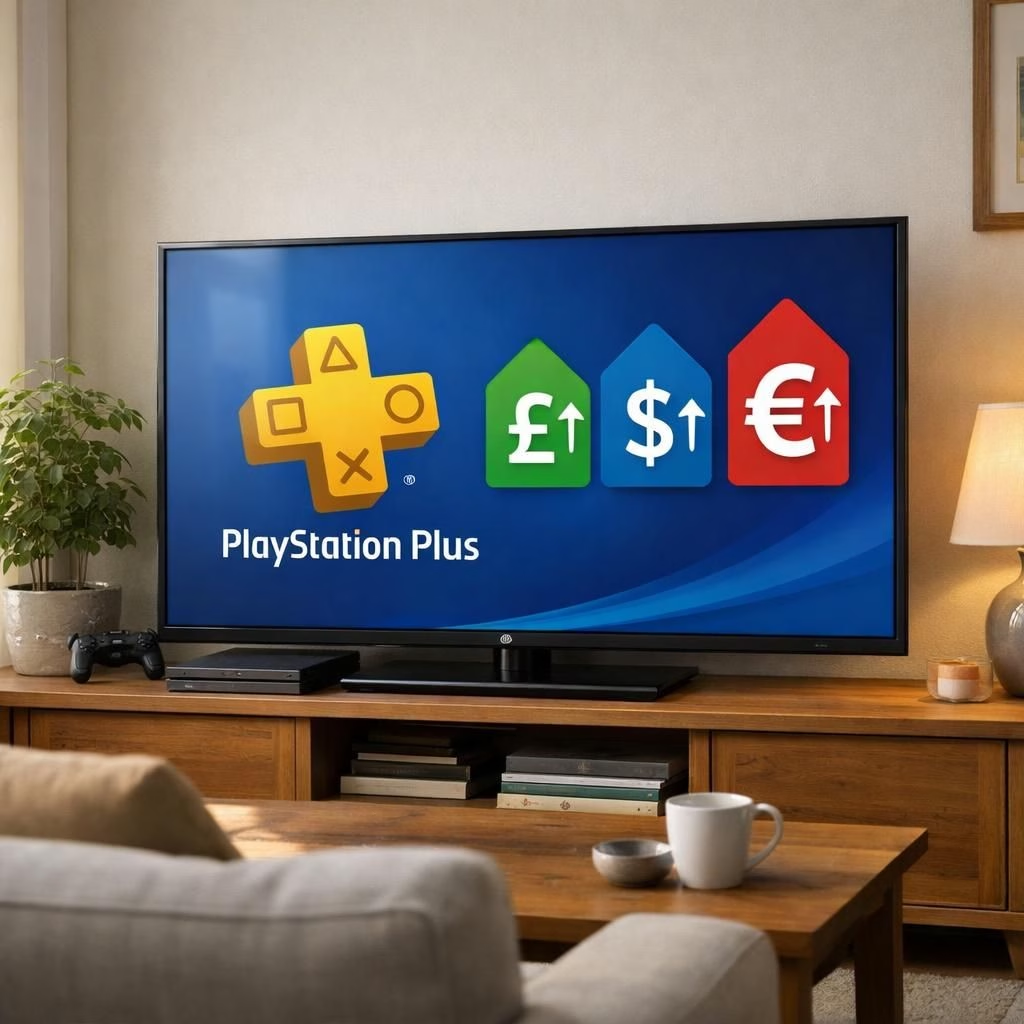
PlayStation Plus remains a hot topic in 2026, and the ongoing discussion hinges on Subscription Pricing as the landscape shifts for online play. Sony’s latest update confirms price rises for the base PS Plus plan and the shorter, more flexible options. A basic monthly PS Plus price will rise by £1, $1 (75p), and €1 (87p) to £7.99, $10.99, and €9.99, respectively, with the three-month option climbing by £3, bringing that slate to £21.99, $27.99, and €27.99. These changes land just a few months after Sony raised the price of the PlayStation 5 in several markets, a reminder that consoles and services move together in a pricey dance. The trio of tiers—Essential, Extra, and Premium—remains, but the cost structure now asks players to weigh value against inflation and chip shortages. In short: it’s pricing with a side of practicality, not poetry.
PlayStation Plus and Subscription Pricing in 2026: what gamers need to know
What does this mean for the everyday gamer? The short answer: more careful budgeting and more attention to discounts. If you value online multiplayer, monthly games, and Store perks, the Essential tier still covers you, but at a higher monthly rate. The Extra tier broadens the game library, offering access to a larger rotation of titles, and Premium adds cloud streaming and more perks for the power users. Sony has not confirmed price changes for other tiers or for the 12-month Subscription Pricing option yet, which keeps planners on their toes who prefer annual budgeting. The rationale behind Subscription Pricing changes reflects broader industry pressures: memory chip costs, supply chain disruptions, and the AI boom that keeps silicon prices ticking upward. It’s a reminder that pricing is rarely a single-number decision; it’s a narrative about supply, demand, and the cost of keeping online worlds alive.
PlayStation Plus and Subscription Pricing: impact on Essential, Extra, and Premium
In practice, the price bump is something many players will notice when they sign in for multiplayer sessions or browse the monthly freebies. Some fans on social media argued that online games should be free, a sentiment that often fades once you weigh the costs of servers, security, and ongoing game development. Others pressed the point that “market conditions” deserve clear explanation, and Sony has promised further comments in due course. For the broader scene, the Subscription Pricing move comes amid other console shifts: Nintendo is also tweaking Switch pricing in several regions, and the PC/console market is perched on a shifting line between affordability and the cost of keeping a modern ecosystem flourishing.
For now, PlayStation fans can compare the new weekly or monthly options, evaluate the value of downloads and discounts, and decide whether the Essentials, Extras, or Premium tier best suits their habits. The numbers are a little friendlier if you buy a longer-term plan, but even there, the three-month and yearly propositions carry their own tradeoffs. In this environment, staying smart about Subscription Pricing means watching price trends, capitalizing on bundled deals, and timing purchases around releases and promotions. The core truth remains: PlayStation Plus is evolving, and Subscription Pricing is adjusting to a world where chips are expensive and competition is fierce, yet the drive to deliver online experiences remains strong.
The conversation around pricing also echoes broader industry patterns. Nintendo’s recent adjustments to Switch 2 pricing signal that console ecosystems are in a transitional phase, while Sony reports that PS5 sales fluctuated over the past year. Yet the company still projects a profitable year ahead, rooted in game licensing, services, and the continued anticipation of blockbuster releases like Grand Theft Auto 6. The revenue story for the game division in the year to March 2027 centers on higher profitability in services, even as hardware and game sales face headwinds. In other words, the world keeps spinning, prices keep nudging upward, and players keep finding ways to enjoy the games they love—sometimes by splurging, sometimes by strategizing a smarter subscription mix.
Two practical tips for readers navigating the updated Subscription Pricing landscape: first, re-check your current plan and estimate annual costs based on your play frequency; second, scout discounts and bundled offers that stack value across months. If you’re the type who plays online, appreciates monthly games, and loves a discount, the updated PlayStation Plus options can still deliver meaningful value—just with a bit more planning and a calmer wallet. And if you’re unsure, the best move is to test a short-term option during a promotional period to measure immediate value before committing long-term.
Original article: BBC Newsbeat — Thank you for the original material and for starting this important conversation about pricing in 2026.
We’d love to hear your take on these changes. Share your thoughts in the comments to join the discussion about PlayStation Plus and Subscription Pricing in 2026.
PlayStation Plus FAQ
- What’s changing in 2026 for PS Plus? The base monthly price rises to £7.99 / $10.99 / €9.99, with a 3‑month option at £21.99 / $27.99 / €27.99; 12‑month prices are not confirmed yet.
- Is annual pricing a better deal? Longer plans may offer better value, but exact promos depend on the retailer and promotions; keep an eye on Subscription Pricing for budgeting context.
- Will this affect PS5 hardware prices? The change to PS Plus follows broader market shifts, including hardware pricing in some regions.
In summary, PlayStation Plus pricing has shifted; by planning ahead and watching promotions, players can maximize value while staying within budget.