

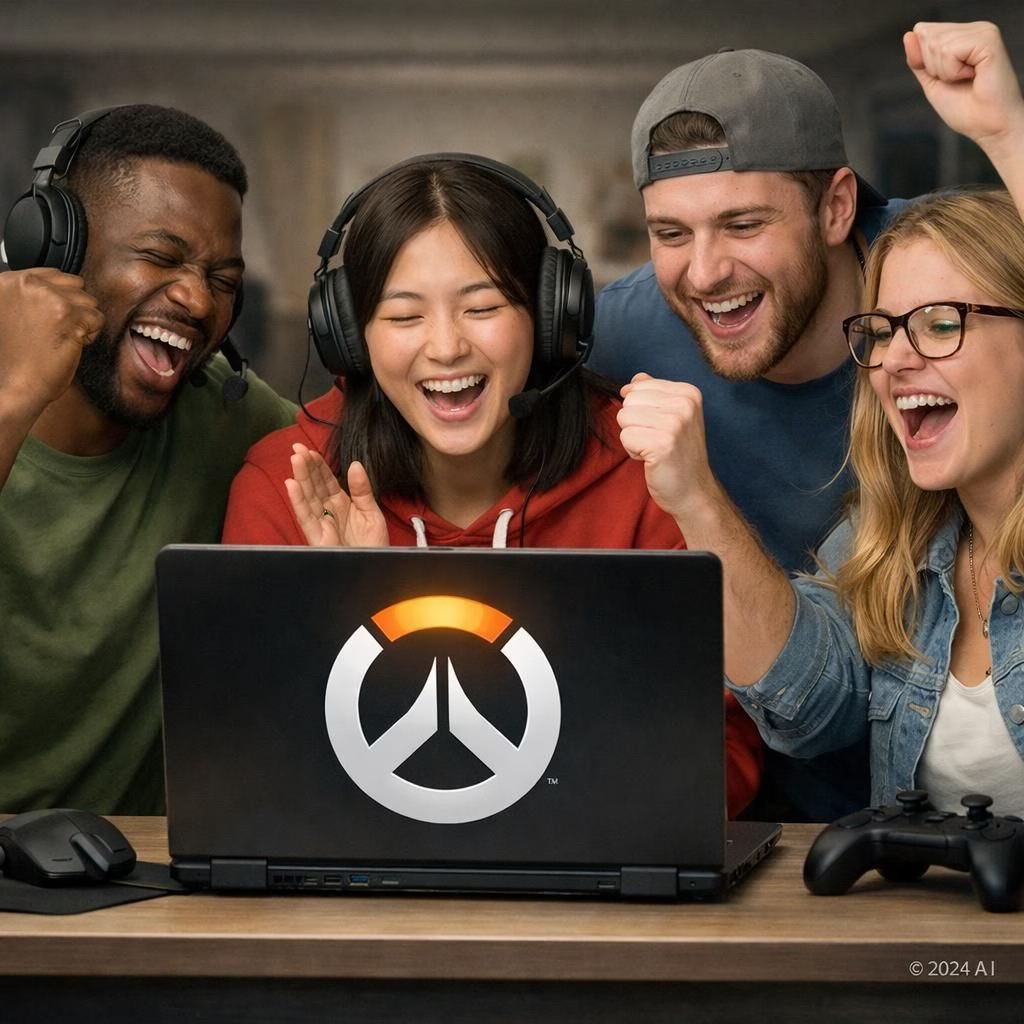
Overwatch is back with a feature fans have wanted since 2016, and the mood is pragmatic: clear rules, fair balance, and teamwork at the core. Kotaku fans and readers spotted the small improvements early, helping shape the initial consensus. This update respects the game’s roots while nudging the meta toward smarter, more deliberate play. The community response is measured and largely positive, a promising sign for the title’s next phase.
Overwatch 2026 Triumph: Kotaku Coverage and Celebration
The patch adds quality-of-life tweaks that tighten the pace without dulling the thrill. You’ll notice clearer hero roles at the start of every match, a streamlined loadout experience, and a smoother reward cadence for leveling up. The team avoided splashy gimmicks and instead focused on removing friction. Kotaku’s initial coverage helped frame the expectations and the patch is proof that careful design can outlast loud hype. It isn’t a flawless patch, but the work feels earned and that matters for the longer arc of Overwatch.
On the balance side, the changes feel deliberate rather than radical. The core roster remains, but tuning nudges some heroes toward distinct identities rather than generic damage. This helps players pick roles that fit their playstyle and reduces the confusion that tripped up recent patches. In short, the update respects the learning curve while rewarding practiced coordination and rehearsal time. The end result is a game that plays closer to the designer’s original ambition: a team shooter that rewards plans and collaboration more than sheer reflexes.
Kotaku Reflections on Overwatch in 2026
From a design standpoint, the update stands out for its patience. The team didn’t dump every flashy feature at once; they shipped something that shows progress without fanfare. The pacing invites players to experiment rather than chase meta-breaking combos. You can appreciate how the new balance keeps options open for different team compositions. The community quickly coalesced around supportive streams, tactical guides, and a shared sense of curiosity. Even the most skeptical voices admitted the changes were thoughtful and well-communicated. It’s a relief to see a game evolve with intention instead of chasing the next viral moment.
For players, the practical takeaway is simple: treat the update as a collaborative reset. Revisit your favorite heroes, adjust your lineup, and welcome new strategies that emphasize cooperation. For developers, the message is clear: listening, testing, and communicating build trust. The result isn’t a miracle cure, but a credible, repeatable process that can sustain momentum across seasons. If you’ve been wary in the past, you may find this iteration a gentle re-entry point that rewards curiosity and discipline.
Community voices have kept the hype healthy, with memes light and feedback constructive. The conversation continues to evolve rather than stagnate. Players share setups, demos, and micro-tips that help peers climb the ladder without losing their sanity. The tone is pragmatic, the jokes are affectionate, and the gameplay remains the star. If you’re curious whether this marks a lasting shift, look at the long arc: steady improvements, transparent notes, and a focus on playability over spectacle.
Conclusion: This update marks a notable milestone for a game that deserves regular, thoughtful care. It confirms that meaningful change can be respectful and rewarding when it centers the player experience. The key takeaway is that you can feel the difference in your next match, not just in your notes. Are you trying the new flow yet? If so, share your early impressions in the comments and tell us how the balance feels in practice.
Original article: Overwatch Finally Gave Fans Something They’ve Been Asking For Since 2016. Thank you, Kotaku, for the original material and for the ongoing coverage that inspired this rewrite.
References and further reading include official patch notes and trusted outlets to corroborate the changes described above.
Frequently Asked Questions
Q: Is this patch beginner-friendly?
A: Yes. It emphasizes clarity, smoother onboarding, and fewer friction points that often hinder new players.
Q: Are there nerfs or buffs to the core roster?
A: Not dramatically; the changes focus on identity and coherence, nudging some heroes toward more distinct roles while preserving team balance.
Q: How should teams adjust?
A: Revisit your hero pool, test new combos in coordinated play, and maintain open communication to practice new strategies together.
Conclusion and Takeaways
The 2026 patch is a thoughtful step forward for a game built on cooperation. It proves that steady, well-communicated changes can sustain momentum across seasons. If you’re curious about how the balance feels in practice, try a few new lineups in casual matches before returning to ranked play, and share your impressions in the comments.
References
- Overwatch patch notes — Official
- IGN — Overwatch patch notes
- Eurogamer — Patch notes roundup
- Original source linkback: https://kotaku.com/overwatch-reinhardt-ana-relationship-romance-lore-comic-2000700188
- Original article: https://kotaku.com/overwatch-finally-gave-fans-something-theyve-been-asking-for-2016-1849999999