

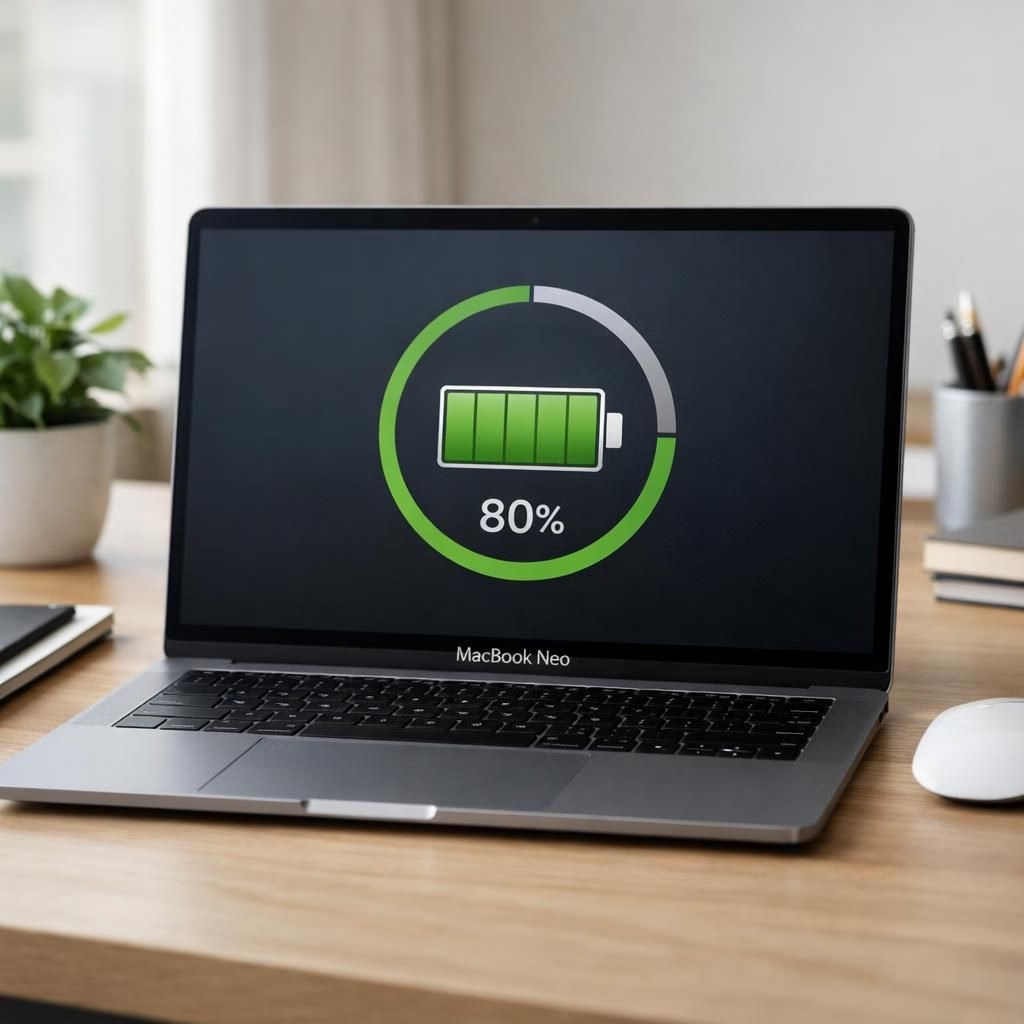
In the crowded laptop arena, the MacBook Neo makes a bold claim: the battery cycle limit shifts the ground for power users and PC rivals alike. The MacBook Neo isn’t marketing noise; it’s a dare to Windows PCs that count cycles like coupons. The news lands with the cadence of a product reveal and touches outlets such as 9to5Mac, Macworld, Engadget, and PCMag. The mission is simple: explain what the battery cycle limit means in real life. The MacBook Neo shows a long horizon where safeguards on wear matter more than features. It feels like Apple is steering toward durability while others chase the next gimmick.
MacBook Neo and battery cycle limit: first impressions
The MacBook Neo introduces a battery cycle limit that aims to balance performance and longevity. In practice, you may see fewer full charges, a slower decline in peak capacity, and optimizations that keep the laptop humming through long days. The battery cycle limit is not merely a stat; it’s a promise that the device will hold a meaningful charge across time. The battery cycle limit is a signal that Apple is leaning into sustainable design while courting power users who push their hardware.
MacBook Neo and battery cycle limit: deeper implications
From a developer’s desk to a campus quad, the battery cycle limit shapes behavior. People adjust charging routines, plan for scheduled maintenance, and learn to monitor cycles with system tools. The battery cycle limit pushes the PC-leaning crowd to rethink endurance, not to fear it. The battery cycle limit could influence accessory design, from chargers to cases, and even software updates that extend day-to-day usability.
In reviews, MacBook Neo is often framed as Apple shows Windows PCs how to do this. Engadget notes the performance and sleek display; PCMag highlights the Asus co-CEO’s comments as a validation of the shift. Macworld points out that the MacBook Neo’s long-term battery health focus threatens the status quo of cheap, replaceable PCs. Yet the core truth remains simple: battery cycle limit is a measure of how long a machine stays useful, not just how fast it renders fonts on social feeds.
What does this mean for the average buyer? The MacBook Neo remains a premium investment, with a battery cycle limit that invites thoughtful charging habits. You may not see dramatic battery wins in the first week, but over months you could feel less brain fog from a dying battery. The battery cycle limit also nudges developers to optimize apps for efficiency, ensuring the MacBook Neo stays productive longer on a full day’s work.
In practice, the battery cycle limit helps reduce total cost of ownership for many users. Fewer replacements, less downtime, and happier teams. Apple’s strategy is to align hardware resilience with software efficiency, a combination that often yields a better user experience than sheer raw power. The messaging is clear: longevity beats obsession over raw numbers, and the MacBook Neo is designed to be a durable companion for the long haul.
As with any business shift, there are critics. Asus’ Co-CEO called the MacBook Neo a shock to the PC industry, which may be hyperbolic but captures the feeling of disruption. The PC world is used to cycles that degrade quickly, while Apple has framed the battery cycle limit as part of overall system health. The consensus from media reviews is mixed but acknowledges the strategic move: the MacBook Neo is a signal that premium hardware can be paired with thoughtful power management to deliver a better daily experience.
Ultimately, the battery cycle limit story is less about a single gadget and more about a trend toward durable, carefully engineered devices. Shifts like this push competitors to re-evaluate their own products, from battery chemistry to charging protocols. The result could be a healthier, more stable laptop ecosystem in 2026, where devices last longer and deliver consistent performance without constant recharging anxiety.
What would you do with a MacBook Neo if you know your battery cycle limit will hold up for years? Would you invest in better charging habits, or simply rely on the device’s prowess to keep you going through heavy workloads? Share your thoughts as you test the MacBook Neo in real-life scenarios.
Original article attribution: Special thanks to 9to5Mac for the original reporting on the MacBook Neo battery cycle limit. Original source: https://9to5mac.com
MacBook Neo: durability and long-term thinking
Beyond the numbers, the focus on battery cycle limit reflects Apple’s design for longevity. A durable chassis, efficient software, and smarter charging can translate into fewer interruptions and more productive hours. For buyers weighing this against a Windows-based rival, the question is not just speed but stability across years. The MacBook Neo’s approach could push rivals to rethink pricing and parts replacement.
Tips for getting the most from MacBook Neo
- Keep software updated: updates often include energy-saving improvements that affect how the battery cycle limit behaves over time.
- Use optimized charging: macOS features that reduce full discharges can help maintain health for the long haul.
- Monitor battery health: use built-in tools to track cycles and peak capacity and plan replacements before performance drops.
FAQ
- What is the battery cycle limit?
The term refers to how many charge-discharge cycles a battery can endure before its capacity drops significantly. In the MacBook Neo, it’s positioned as a design guide for durability and efficiency. - Will battery replacements be more difficult?
Generally no, but plan for service if the device is older or used heavily. Apple and authorized partners provide battery services when needed. - Does this affect performance?
Expect sustained performance longer if you manage charging well; the device aims to balance peak power with long-term health.
Conclusion
The MacBook Neo sets a mission to combine premium performance with thoughtful power management. It’s less about chasing the highest raw numbers and more about delivering a durable daily driver for years. For readers evaluating a high-end laptop, this approach invites a re-think of charging habits and planning for maintenance. Consider how you work and whether the MacBook Neo aligns with your long-term needs.