

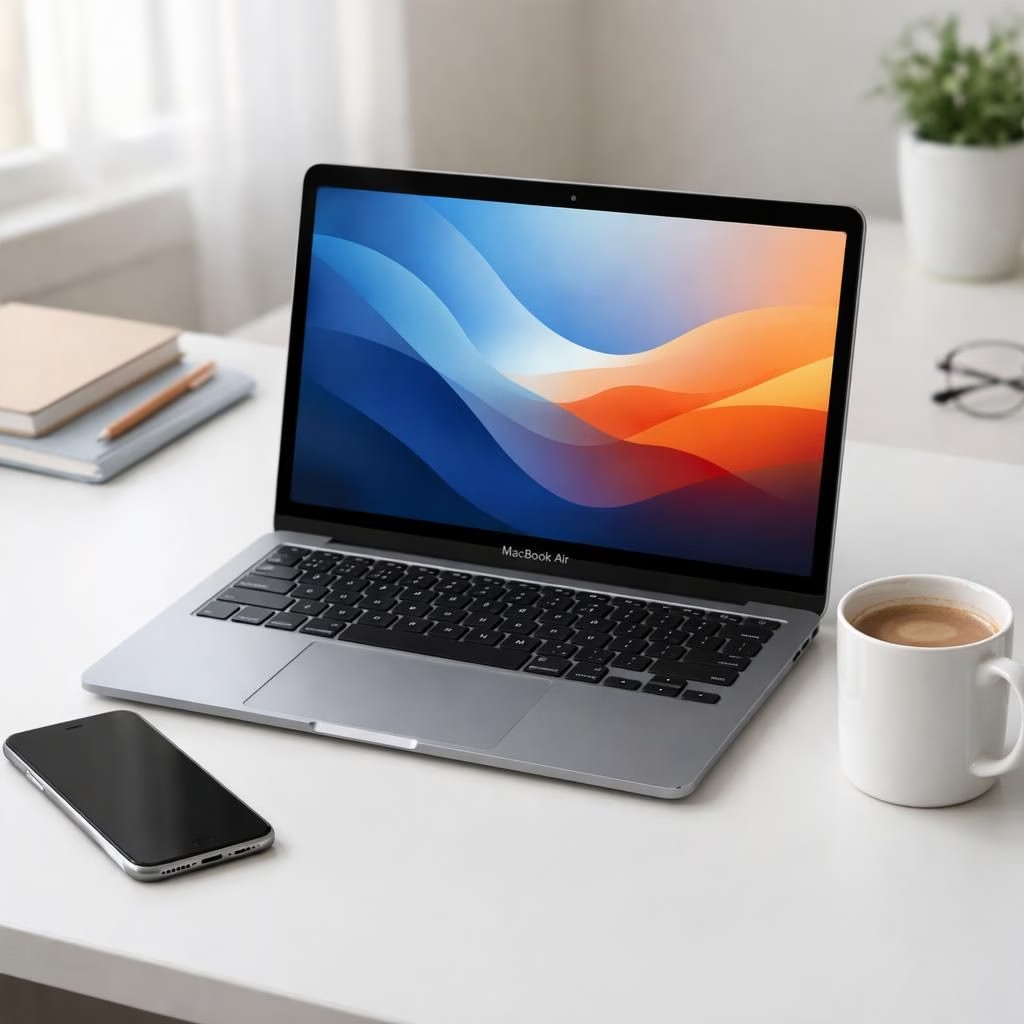
MacBook Neo dives into the budget laptop space with a wink and a well-timed price tag. The MacBook Neo is the kind of budget laptop that makes you smile at the trade-offs rather than cry about compromises. This is 2026, and Apple is nudging Windows and Chromebooks off the bench with a device that wears its affordability with pride. MacBook Neo isn’t merely a cheaper Mac; it’s a signal that budget laptops can be cooler, smarter, and more social.
MacBook Neo budget laptop disruption in 2026
On paper, the Neo runs an A18 processor, not the M-series you see in the premium line. That choice keeps the price inviting while still handling everyday browsing, multitasking, and video calls. The Neo shines in practical tasks more than in high-end creative workloads, which suits about 95% of student life and casual work. And it still plays nicely with iPhone features like FaceTime, Messages, and Phone Mirroring, which makes the MacBook Neo feel like a sanctioned extension of your iPhone family. In short, this budget laptop leans into ecosystem coherence rather than branding bravado.
What makes the MacBook Neo a smarter budget laptop choice
Apple’s trade-offs are deliberate. The Neo uses an A18 chip rather than the premium M-series, trading peak performance for cost efficiency that still handles web apps, documents, and a dozen browser tabs without drama. The display is modest, and the keyboard lacks backlighting, but these choices temper price without killing daily usability. The trackpad is mechanical rather than haptic, and that’s a tiny retro charm that many users actually appreciate for its tactile clarity. The result is a device that feels like a friendly entry point into the Mac ecosystem, especially for families with iPhones, students, and seniors exploring new tech.
iPhone integration is not just a gimmick. With Continuity, you can answer messages, sync photos, and even mirror your phone to the Neo’s screen. The upshot: MacBook Neo isn’t just a computer; it’s a bridge device that invites first-time Apple adopters into the broader catalog. The budget laptop label hides the fact that this machine doubles as an approachable gateway into Apple’s software and services, from iCloud to Apple Pencil-ready apps on capable iPads and MacBooks.
Windows remains the dominant OS in consumer laptops, but the juggle is real. Windows 11 isn’t loved by all, and many users crave a simpler, more controlled experience. People talk about a subscription-based Windows for Pro, a model trend already seen elsewhere. If Microsoft shifts toward subscriptions, the decision becomes switch to Apple, switch to Chrome, or learn Linux. The Neo could become a practical entry point for curious users who aren’t ready to commit to a premium device.
Pricing at $499 with educator discount puts the Neo in direct orders with other affordable laptops. Some schools will choose Chromebooks for their simplicity; others will consider higher RAM configurations for more robust tasks. The Neo’s differentiator is not horsepower; it’s integration, simplicity, and the vibe. That vibe matters to the kid who wants to join a group chat, share a video, or livestream a class project without fighting for a resource-hogging laptop. In the live market, the Neo will be compared not only by specs but by experience—the budget laptop experience becomes the threshold for what students expect when they pick a device for classwork and family life.
The Neo isn’t a luxury item; it’s a battle-tested classroom companion. Apple warns about durability concerns when tossed around, and we should take those warnings seriously. The chassis is solid, but keys and trackpad might show wear after years of heavy use in classrooms. Still, the ability to swap into iCloud storage and rely on cloud options reduces local disk pressure, which helps longevity and reduces repair frictions. In a school or campus environment, the Neo can be a friendly, low-stress partner for learning, projects, and social chats.
What I’d love to see next from Apple is a rugged variant and a brighter color palette, perhaps a few budget laptop-friendly hues. A larger SSD option at a similar price would also calm power users who fear cloud-dependency. A longer battery life for a full school day would seal the deal with educators. In short, the MacBook Neo is not a final word on budget laptops; it’s a starting line that invites rivals to rethink design, durability, and the price-to-performance curve.
For the market, this launch is a gentle shove. It won’t topple Windows’s grip overnight, but it will set expectations. The budget laptop category now carries a new message: affordable does not mean flimsy. It can be well-built, well-connected, and fun to use. Competitors will respond with brighter colors, better keyboards, and smarter software choices, nudging the entire industry toward more user-friendly, ecosystem-aware devices.
All in all, the Neo adds energy to a stale segment. It shows that a user-friendly, well-connected device can coexist with Mac fans and Windows fans alike, creating healthier competition and better options for everyday users. A little disruption is a good thing for stale markets.
What do you think? Share your thoughts in the comments. We also want to give a nod to the original reporting that kicked off this conversation. Thanks to ZDNET for the original article; you can read it here: ZDNET original article.
Practical steps for educators evaluating MacBook Neo
- Assess battery life for a full school day and plan charge cycles around class schedules.
- Test Continuity between iPhone devices and the Neo in group projects and presentations.
- Decide on storage strategy: mix of local storage and iCloud to balance performance and cost.