

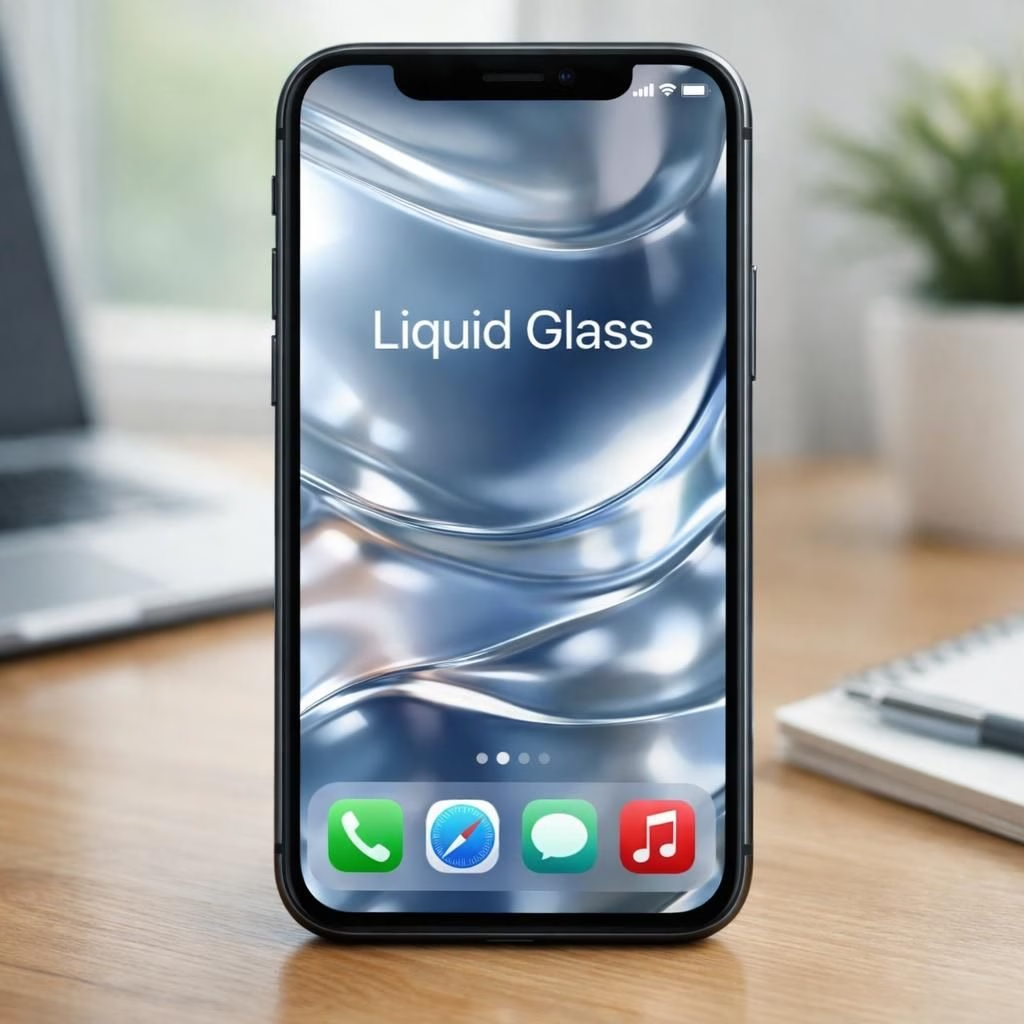
In 2026, Liquid Glass continues to sparkle in the iPhone spotlight. This thoughtful look explains why the interface persists, how it shapes everyday use, and what it means for real users. The point isn’t hype; it’s a practical trend that blends glassy hardware aesthetics with software polish.
Consider the Forbes headline: If Your iPhone Is On This List, Upgrade It Now — Liquid Glass Isn’t Going Anywhere. The piece isn’t fearmongering; it highlights models that still benefit from Liquid Glass and asserts the technology won’t vanish soon.
Bloomberg.com’s coverage echoes the same sentiment with a calm confidence: Apple’s Liquid Glass Interface Isn’t Going Anywhere Anytime Soon. It reads like a product brief wrapped in a prophecy and it wins on plain language.
Macworld adds nuance: Big changes are coming to iOS 27, but Liquid Glass is here to stay. The longevity story matters because it suggests a stable baseline for the iPhone experience even as features evolve.
MacRumors notes that iOS 27 might borrow some Snow Leopard-like vibes, while Liquid Glass remains a staple. In practical terms, the interface should be reliable for the long haul on the iPhone.
Pocket-lint adds a light touch of skepticism, hinting that Apple may finally admit Liquid Glass is more than a phase. The takeaway is hopeful: the tech stack provides continuity rather than a constant churn for the iPhone user.
Liquid Glass on iPhone: The Big Idea for 2026
So what does this mean for you and your iPhone? It means the UI can stay clean and tactile while glassy effects glow without stealing focus. Liquid Glass helps reduce accidental taps by smoothing transitions and providing subtle, responsive feedback. In practice, the iPhone experience becomes calmer, more legible, and easier to navigate.
For developers and designers, stability is the real prize. The core truth is simple: Liquid Glass doesn’t crash and it doesn’t flicker when you tilt the device. This means predictable performance across apps, games, and camera modes on the iPhone. The balance of glassy visuals with pragmatic behavior often feels like a quiet luxury without a steep learning curve.
- Better readability on the home screen with higher contrast where it matters—the iPhone display benefits from stability.
- Fewer accidental touches when scrolling and swiping thanks to smoother inertia on the Liquid Glass UI.
- Consistent behavior across platforms, with Macworld, Bloomberg, and Forbes aligning on longevity more than novelty for the iPhone users.
To readers already on an iPhone, the five cited outlets remind us to manage expectations. Forbes gives upgrade paths for older devices. Bloomberg highlights Apple’s measured continuity. Macworld and Pocket-lint remind us changes are coming but that Liquid Glass provides a dependable baseline for the iPhone experience. The bottom line for most iPhone owners is: a calmer, more polished interface with fewer frustrations thanks to Liquid Glass.
In sum, the marriage of Liquid Glass and the iPhone isn’t about a gimmick. It’s about a stable, legible, and slightly more luxurious user experience that stays relevant as iOS evolves toward iOS 27. If you enjoy a smooth, glassy aesthetic that respects your workflow, this pairing likely suits you well on the iPhone.
Share your experiences with Liquid Glass on your iPhone in the comments. We want to hear what works, what bugs you hit, and what you wish to see next in 2026.
Original source credits
Original reporting is credited to a range of outlets. Thank you to Forbes, Bloomberg.com, Macworld, MacRumors, and Pocket-lint for the context.
FAQ
- Q: What is Liquid Glass on the iPhone?
A: It’s a UI approach that adds glassy visuals with smooth transitions to improve readability and usability on the iPhone. - Q: Does Liquid Glass affect battery life?
A: The effects are subtle and designed to be hardware-accelerated; actual impact depends on usage and settings. - Q: Should I upgrade my iPhone for Liquid Glass?
A: If your device is old and no longer supported, upgrading can bring continued protection and a stable UI; consult the upgrade paths in the cited outlets. - Q: Will Liquid Glass disappear with a future update?
A: Leaders at the outlets argue it’s here to stay as a baseline, not a passing gimmick, even as iOS evolves toward a new version.
Takeaway: Liquid Glass provides stability and refinement for the iPhone experience, especially as iOS moves toward future versions. Next step: check your device compatibility and read the linked outlets for official upgrade guidance.
Liquid Glass on iPhone: Why it matters
Liquid Glass matters for iPhone users who want a calmer, more legible UI. It blends eye-catching glassy aesthetics with practical behavior, aiming to reduce frustration while preserving a fast, responsive workflow.