

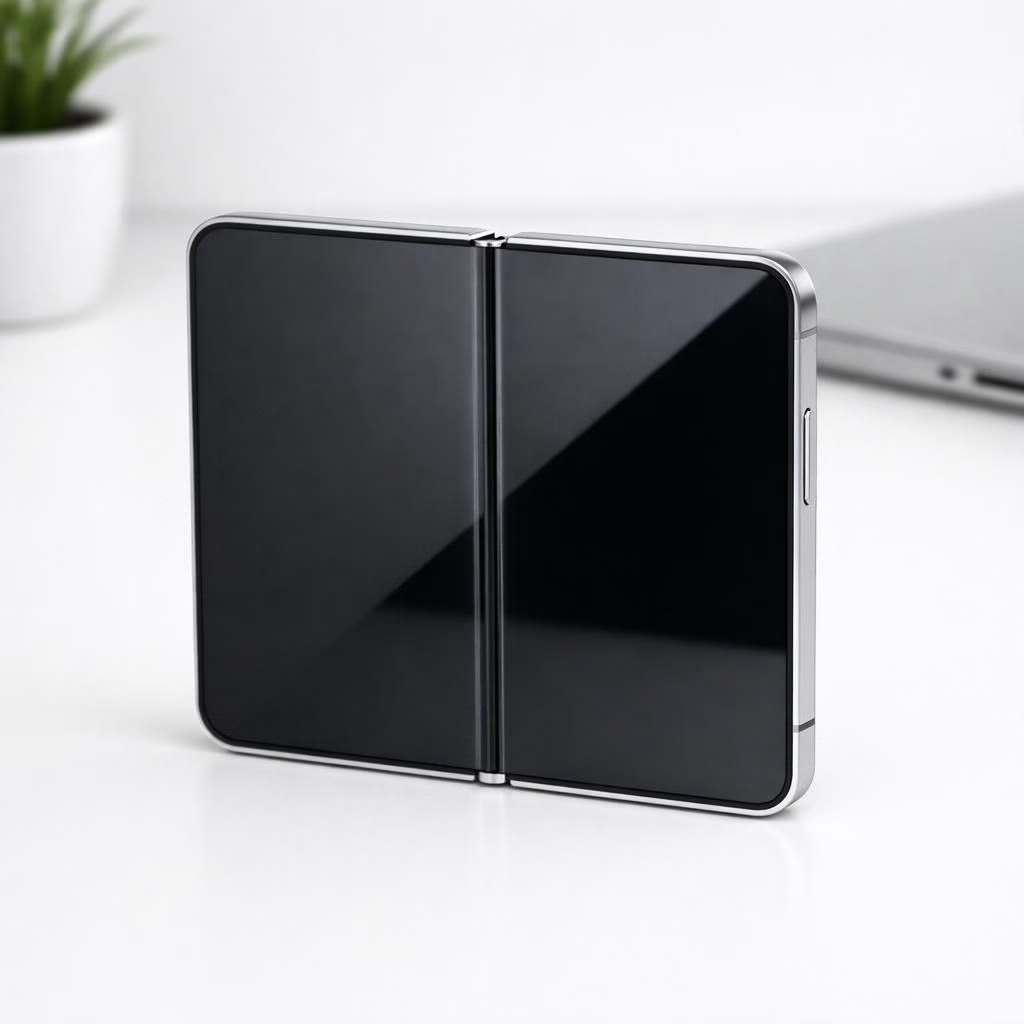
As 2026 unfolds, foldable iPhone chatter feels increasingly grounded thanks to highly detailed dummy units that help designers and fans imagine the future without powering on a single switch. The foldable iPhone silhouette, delivered by trusted leakers and accessory makers, points to a white, passport-like form factor that seems ready for cases and screen protectors to be tuned to perfection. This is where the foldable iPhone meets practical prep, and the world of dummy units shines in the spotlight.
foldable iPhone: dummy units illuminate a design path
What are these shells for this device? They are non‑functional shells used by accessory makers to nail physical fit. They allow case manufacturers, 3D printer pros, and screen-guard hobbyists to iterate with high accuracy before a real product ships. Sonny Dickson has been a steady beacon here, sharing early-production shells of the foldable iPhone alongside rumored siblings like the iPhone 18 Pro and iPhone 18 Pro Max. The latest round brings a much clearer look at a passport‑style, book‑like design that seems carved for a hinge and a flexible inner display.
In practical terms, this latest set keeps a neutral white finish—it’s a step beyond earlier white or neutral shells. The unit reveals a refined build language that fits Apple’s comfort with premium materials and measured color strategies. The emphasis on a clean white finish aligns with recent moves away from bold colorways for generational launches. The field has seen other high‑end devices—Apple Watch Ultra and Vision Pro—launch in a single tone; the foldable iPhone appears to be following a similar path for now.
The latest models reveal several new design aspects, such as the cover display being edge‑to‑edge and subtly curved at the edges, the camera flash located below the rear microphone in the camera plateau, the rear microphone with a new five‑hole arrangement, and a front‑facing camera on the inner display located at the top left. This will almost certainly have implications for the Dynamic Island.
On the device’s color, Dickson’s observation corroborates a report from Friday, which suggested a white‑only finish. Bloomberg’s Mark Gurman previously reported that Apple planned to avoid bold colors and stick to traditional finishes.
It is worth noting that several new high‑end products such as the Apple Watch Ultra and Vision Pro only launched with one color option. The approach would be broadly consistent with how Apple has handled generationally significant launches before. The iPhone X debuted in November 2017 in just two colors, Silver and Space Gray, at a then‑record starting price of $999. The iPhone XS that followed a year later added Gold to the lineup, and Apple may take the same incremental approach with the iPhone Ultra over time.
The foldable iPhone is expected to be announced in September 2026 alongside the iPhone 18 Pro and iPhone 18 Pro Max, at a starting price Gurman says will cross the $2,000 threshold.
Foldable iPhone: design details the dummy units hint at
Design rumors outline a highly specific geometry. The shape is described as book‑style and passport‑shaped, with a 4:3 aspect ratio that favors a broader outer display while keeping the inner screen substantial when open. The numbers suggest a 5.5‑inch outer display and a 7.8‑inch inner OLED panel, placing the device just slightly smaller than an iPad mini when unfolded. The concept reads like a compact tablet‑phone hybrid, designed to fit in pockets yet deliver a large canvas when opened. This dual‑display philosophy is supported by the latest dummy units, which show a cover that is edge‑to‑edge and subtly curved at the edges, and a top‑left front camera notch on the inner display.
Materials talk adds a splash of future‑proof optimism: rumors point to an ultra‑thin titanium frame about 4.5mm thick. Buttons may move to the top edge, a choice that could help with grip on a foldable metal shell. The camera system sits on a rear plateau with a horizontal dual‑camera array in an iPhone Air‑style landscape. A five‑hole rear mic array provides a practical detail that photographers and reviewers might appreciate during real‑world use. These elements collectively sketch a device that balances premium weight and elegance with the practical needs of folding hardware.
dummy units guide foldable iPhone alignment and production readiness
The inner logic of dummy units is simple but powerful: alignment accuracy, hinge tolerances, and display fits. Accessory makers care deeply about these factors because the first wave of cases, sleeves, and protective skins hinges on precise clearance. The current batch of images reinforces the idea that Apple is pursuing a refined, restrained color approach this time around—white may be the default, with a broader color slate not being a priority at launch. This aligns with reports from the rumor mill and historical patterns where large, transformative launches arrive with conservative palettes initially and color options broaden later.
color, controls, and what the mockups imply for user experience
Color strategy matters, and the white finish is more than a cosmetic choice. It signals a focus on premium finishes, light weight feel, and minimal fingerprint visibility. The proposed control layout could reflect a deliberate move away from a literal “Action Button” idea toward a traditional touch and biometric approach. In some rumor channels, Touch ID in place of Face ID surfaces as a plausible option for a folded device, with design tweaks to ensure reliable biometric performance even when the device is opened or folded. The combination of a larger inner display and a smaller outer screen makes core UX decisions crucial: how to manage notifications, how to present Dynamic Island in a foldable context, and how to keep a clean, distraction‑free camera experience on the back plate.
One recurring thread in this design saga is the balance between traditional finishes and the new‑to‑Apple cadence of “one color, one era” launches. The latest dummy units suggest a single, understated palette could be the baseline, with color options broadening later to fit demand and production realities.
timing, pricing, and the roadmap you should watch for
The rumor mill anchors a September 2026 announcement window for the foldable iPhone, paired with the iPhone 18 Pro and iPhone 18 Pro Max. If the timing holds, the price could cross the $2,000 threshold in the United States, a mark that many premium devices have touched or crossed in recent years as screens and hinge technology become more sophisticated. The price isn’t a badge of extravagance; it’s a reflection of the engineering challenges involved in a device that must function reliably as both a pocketable phone and a usable tablet. It’s a premium product proposition, and the code name whispers and leak threads emphasize careful, incremental pricing rather than a dramatic leap into unaffordability.
Observers should also note that the real product may diverge from prototype visuals as mass‑production constraints bite. Yet the mockups serve a practical purpose: they help avoid the classic “let’s ship it anyway” scenario by providing a safe, dry run for accessories and public expectations. The result, if the rumors pan out, is a launch that feels deliberate rather than hurried—a hallmark of Apple’s best work, even when the market is buzzing with quick takes and flashy mockups.
For enthusiasts and industry watchers, the foldable iPhone story is less a single product reveal and more a signal: Apple is steadily exploring new form factors while preserving the core design language that has defined its devices for years. The blend of a compact exterior, a substantial interior, and a restrained color strategy offers a familiar sense of Apple polish with a dash of new tech curiosity. And while we wait for the real device to arrive, the ongoing stream of dummy units keeps the conversation constructive, practical, and surprisingly entertaining.
As always, your take matters. Do you expect foldable iPhone rumors to hit the mark this time, or will the reality surprise us all? Share your thoughts below and let’s compare notes on color options, hinge reliability, and how you’d use a passport‑style iPhone in daily life.
Special thanks to the original reporting by Sonny Dickson for sharing the early images and the thoughtful context that helped shape this analysis. Original posts and images can be found via Sonny Dickson’s feed: Sonny Dickson on Twitter. Thank you for the groundwork that sparked this creative rewrite.
References
Original source linkback: MacRumors: Best look yet at foldable iPhone design revealed
External sources for additional context: Bloomberg, The Verge, and Apple Newsroom.