

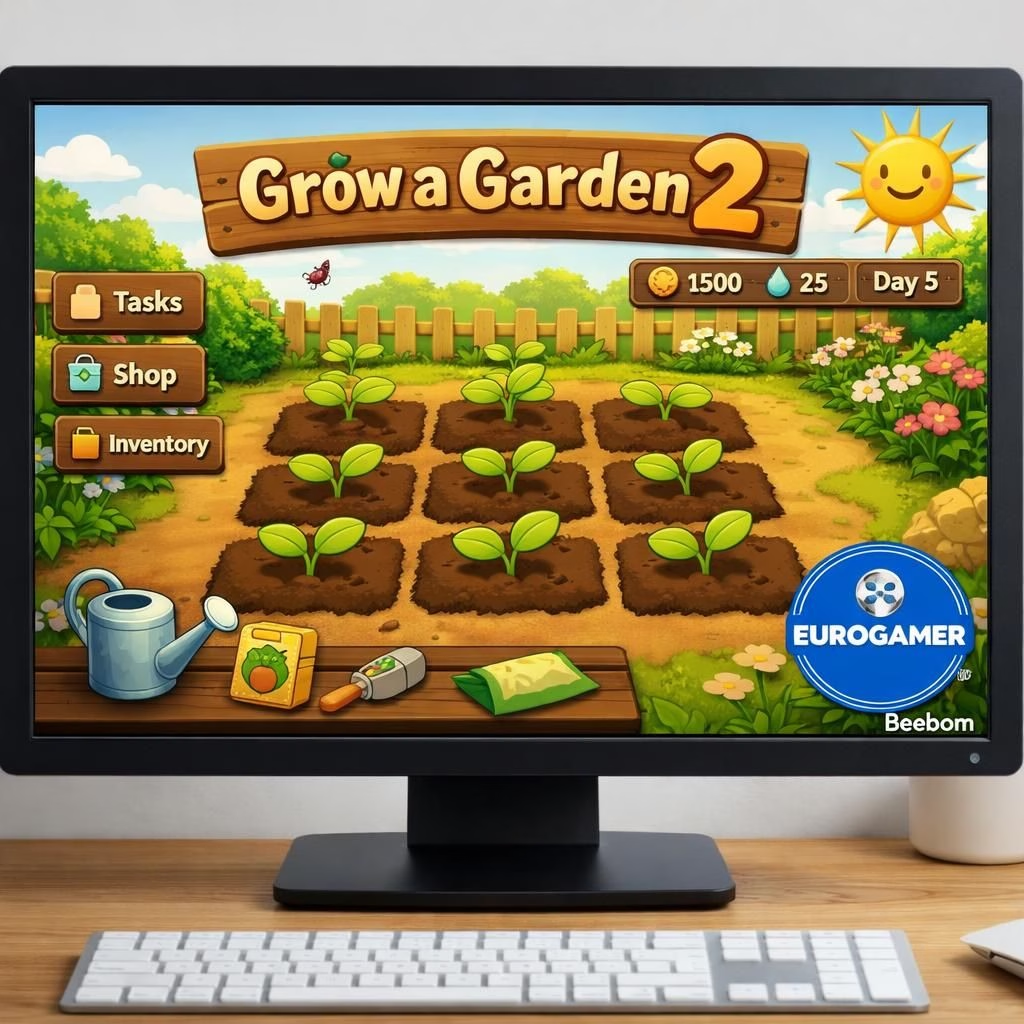
Welcome to the bright soil of Grow a Garden 2, where pixel dirt is plentiful and curiosity is fertile. Beebom‘s breezy voice keeps the mood light, and the plan is simple: turn seeds into smart choices without drowning in jargon. This is a guide that treats codes and cultivation as a cooperative sport, with a dash of Eurogamer’s clarity and a wink of humor.
Grow a Garden 2: Codes, Seeds, and Beebom’s Bright Take
First, in Grow a Garden 2, codes and seeds form the toolkit. You redeem a pass here, plant a seed there, and watch the garden respond. Think of each code as a tiny shovel that digs you toward a better harvest. Inventory matters, timing matters, and patience often pays with a bloom that outshines your last attempt.
In the broader flow, the economy of growth hinges on timing and experimentation. The joy of a well-timed code is like discovering a rare bloom right before your watering can runs dry. The system rewards curiosity more than clock-watching, which is good news for players who prefer tinkering to sprinting. The community chatter around these mechanics keeps evolving, and that evolution is half the fun—like swapping seeds with friends and watching the garden become a shared canvas.
Within the guide, codes aren’t just keys; they signal momentum. Codes unlock blooms, seeds, and boosts that improve daily play. Beebom’s cheerful approach keeps this practical: log the codes, queue the seeds, and respect timing. Eurogamer readers will find notes that feel familiar—clear steps, measured progress, and the reminder that patience can harvest success.
Beebom isn’t just about fancy tricks; the actual work remains tactile: water, wait, and watch. The design rewards players who map out their garden in stages, testing which seed types thrive under which boosts. The tone here stays grounded: we celebrate small wins, we note the quirks of certain plant varieties, and we keep the mood light so you don’t burn out chasing the perfect harvest in a single session. The goal is steady growth, not overnight miracles, and the path to that growth is paved by practice, observation, and good humor.
Beebom’s Take: A Friendly Roam Through Eurogamer Tips
Beebom’s take on garden logistics is friendly without fluff. The path from code to crop stays linear: collect, verify, apply, observe. The section that slides through Eurogamer tips helps keep expectations grounded, and the tone remains practical rather than preachy. If you’re new to early access, this is a calm map for a curious hand and a curious mind.
Beyond the surface, there’s a nerdy little layer of strategy: which seeds pair best with which boosts, how to set up an efficient inventory, and where to invest your limited resources for long-term yield. The guide also nudges readers to test ecosystems—what happens when you mix a high-yield seed with a modest boost? The answer is usually a more resilient garden that survives a few in-game shocks and still looks pretty on harvest day.
Beebom isn’t just for show; the Roblox codes guide adds a practical layer for players who like to remix the garden into a social experiment. The emphasis remains on doable steps, not on mystic prowess. In other words, you don’t need to cast a spell to grow something lush; you need a plan, some patience, and a willingness to tweak as you go. The overall vibe stays friendly and helpful, which makes it easier to stick with the game’s slow, satisfying rhythms.
Grow a Garden 2: Practical Steps to Start with Codes
Here are actionable steps to get started without overwhelm:
- List a few seed types you want to try first and note their boosts.
- Record every code you redeem with date and effect for quick reference.
- Queue seeds strategically, placing the best fits into your planned growth zones.
- Track results across sessions to identify which combos yield steady progress.
Beebom’s Take: A Friendly Roam Through Eurogamer Tips
Beebom’s take on garden logistics is friendly without fluff. The path from code to crop stays linear: collect, verify, apply, observe. The section that slides through Eurogamer tips helps keep expectations grounded, and the tone remains practical rather than preachy. If you’re new to early access, this is a calm map for a curious hand and a curious mind.
Beyond the surface, there’s a nerdy little layer of strategy: which seeds pair best with which boosts, how to set up an efficient inventory, and where to invest your limited resources for long-term yield. The guide also nudges readers to test ecosystems—what happens when you mix a high-yield seed with a modest boost? The answer is usually a more resilient garden that survives a few in-game shocks and still looks pretty on harvest day.
Beebom isn’t just for show; the Roblox codes guide adds a practical layer for players who like to remix the garden into a social experiment. The emphasis remains on doable steps, not on mystic prowess. In other words, you don’t need to cast a spell to grow something lush; you need a plan, some patience, and a willingness to tweak as you go. The overall vibe stays friendly and helpful, which makes it easier to stick with the game’s slow, satisfying rhythms.
FAQ: Common Questions About Grow a Garden 2
- How do I redeem codes in Grow a Garden 2? Look for the codes panel in the game, enter the code exactly, then queue seeds to boost your garden.
- Which seeds work best with boosts? Start with a balanced seed mix and note which seed types respond well to certain boosts; keep a simple log to compare results over several sessions.
- How should I manage inventory to avoid waste? Group seeds by boost type, set aside a few emergency items, and rotate crops to test resilience across in-game conditions.
- How often should I check for new codes? Check at regular intervals and follow Beebom’s guidance for the latest codes.
Conclusion: Keep Growing, Keep Learning
Progress in Grow a Garden 2 comes from steady practice, careful observation, and a little patience. Use codes to nudge your garden forward, but focus on the small, repeatable wins that compound over time. The key is to enjoy the journey as you watch your garden unfold—one shade, one bloom, and one harvest at a time.
References
- Beebom — Grow a Garden 2: Plants and Seeds
- Eurogamer
- Hindustan Times
- games.gg
- Original source linkback: https://beebom.com/grow-a-garden-2-plants-and-seeds/