

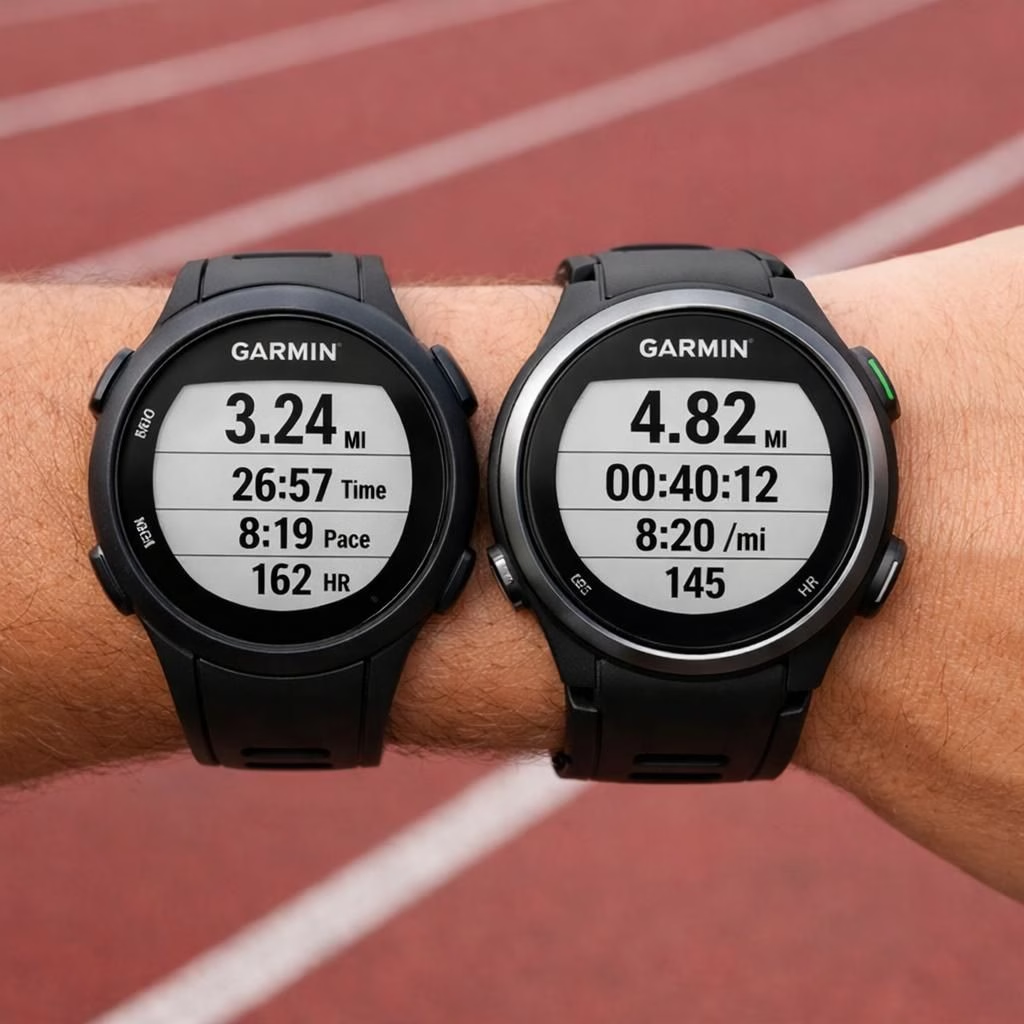
Garmin Forerunner 70 and Garmin Forerunner 170 arrive with a wink and a toolkit of training features, brighter screens, and a price that feels fair in 2026. If you’re upgrading from the Garmin Forerunner 55, you’ll notice both models aim to be friendly, approachable entry points rather than imposing gym instructors.
Garmin Forerunner 70: New features for everyday runners
The Garmin Forerunner 70 is designed to decode your day in simple, friendly terms. It introduces enhanced training tools such as dynamic workout suggestions, intervals that adapt to your pace, and a treadmill-friendly mode. The display is notably brighter, with easier-to-read data fields even when you sprint to catch a bus. Garmin has trimmed the clutter and kept a focus on the essentials: time, distance, pace, calories, and your progress toward goals. The watch remains light enough to forget you’re wearing it, which is exactly the point when you’re chasing a personal best in 2026.
One practical improvement is the cleaner screen that renders graphs and split times in a color that doesn’t require sunglasses. The Garmin Forerunner 70’s software suite also leans into suggested workouts and quick-start training plans that feel like a friendly coach who volunteers at the track. If you like metrics, you’ll appreciate auto-lap reporting and better GPS consistency in urban canyons where satellite signals tend to play hide and seek. The result is a device that feels like a reliable training partner rather than a gadget you need a manual to interpret.
Garmin Forerunner 170: Screen upgrades and training tools
The Garmin Forerunner 170 borrows the premium vibe with an upgraded screen and sharper interface. It offers refinements to how you see your data—bigger digits, higher contrast, and more contrast in sunrise-light conditions. Its training tools include more advanced heart-rate features, improved recovery metrics, and richer workout libraries. It’s the kind of watch that makes planning runs less work and more anticipation. The user experience is designed to be intuitive, with fewer taps to get to the workout you want. Just enough complexity to satisfy the data nerds, but never so much that you feel like you’re debugging firmware at 6 a.m.
Battery life, always a talking point, gets a cautious but welcome boost in the Garmin Forerunner 170. It’s not enough to brag about a full week of gym visits, but it should handle your daily runs and a few long sessions without needing a midday recharge. The Garmin Forerunner 170‘s design moves a step closer to Garmin’s premium wearables without tipping into their pro-level price brackets. The result is a device that feels sturdy on the wrist, with a premium finish that doesn’t shout but a lot of enthusiasts will appreciate.
Who should buy these devices? If your goals are to start running, measure progress, and maintain motivation, the Forerunner 70 is a superb entry point. If you want a touch more analytics and a sharper display for race-day vibes, the Garmin Forerunner 170 makes a compelling case. Both are clearly positioned as friendly tools that respect your time and budget, not as ego-heavy status symbols. They sit nicely between the budget-friendly Forerunner 55 and Garmin’s higher-end wearables, offering a practical path for new runners to grow without feeling overwhelmed.
As we move through 2026, Garmin continues to lean into accessible training platforms, with tweaks that help runners stay focused on form and consistency rather than wrestling through menus. The devices are designed for daily wear: run in the morning, track your step counts, glance at your heart-rate, and plan the next workout while sipping coffee.
In short, both models deliver a balance of practical training tools, dependable GPS, and user-friendly displays that make it easier to lace up and move. They are not flashy, but they are purposeful, which is the kind of honesty most new runners appreciate on a cold morning.
What do you think? Is Garmin Forerunner 70 right for you, or does Garmin Forerunner 170 better suit your regimen? Share your experiences in the comments and tell us which features matter most when you lace up for a run.
Source and thanks: Special thanks to DC Rainmaker, CNET, Gizmodo, TechRadar, and T3 for the original coverage of Garmin Forerunner 70 and Garmin Forerunner 170. Your articles helped shape this overview. We’re grateful for the insights and the time you spent sharing hands-on impressions.