

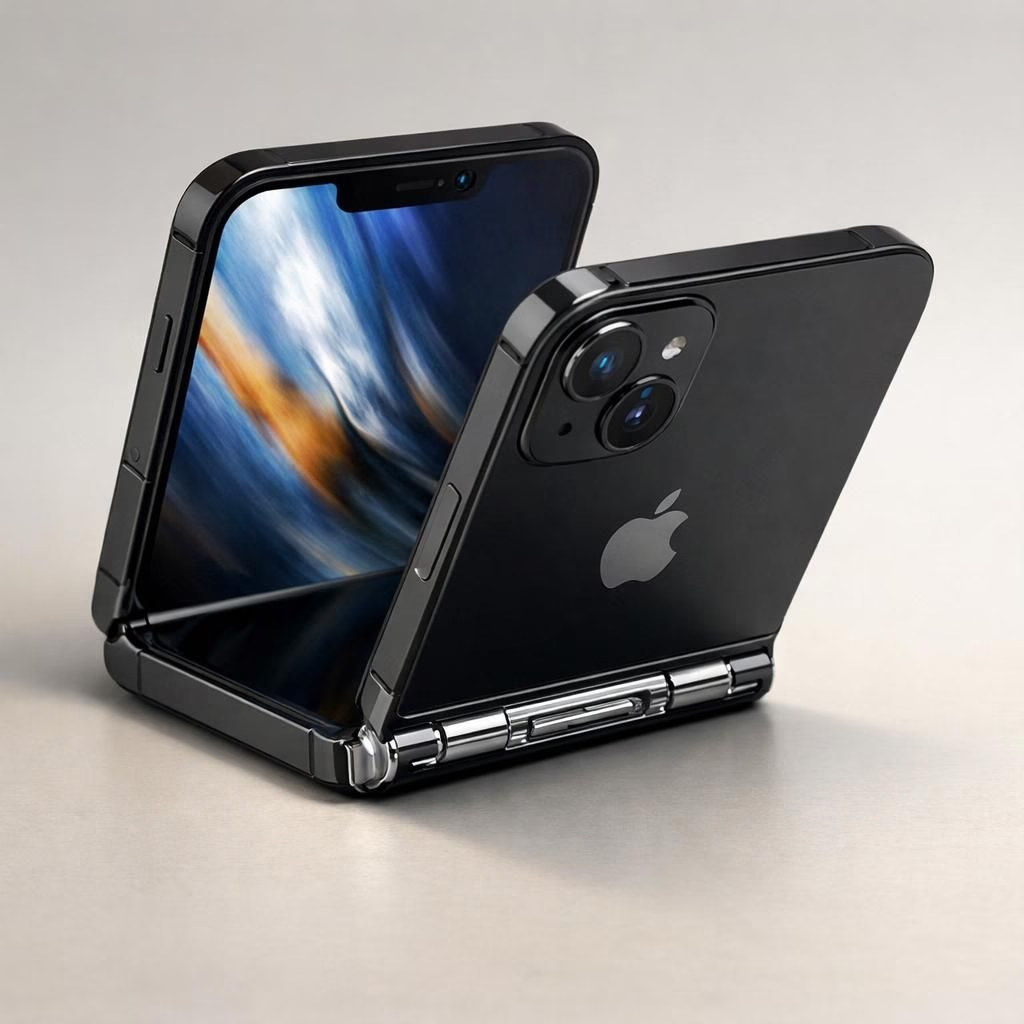
In a brisk swirl of gadget gossip and grounded engineering, the foldable iPhone is stepping out from rumor mode into a real testing phase. The star is a liquid metal hinge, a material choice promising both strength and smooth operation under dozens of folds. Apple reportedly shipped prototype units to carriers around the world for testing, a milestone that signals serious progress despite past hinge chatter. If you enjoy tech news with a dash of theater, this update pairs vapor cooling debates with real-world test data and the realities of mass production. The foldable iPhone remains a project that must prove itself in the wild, not just on a board, and today’s chatter indicates it is moving from the lab toward the carrier network.
Foldable iPhone Progress: Liquid Metal Hinge in Action
The latest chatter from Fixed Focus Digital paints a picture of rapid progress. They claim the foldable iPhone is advancing quickly, and that the liquid metal hinge is meeting durability benchmarks.
The hinge is more than a nice-to-have; it is central to how the device will survive daily life. Some rumors about vapor cooling still swirl, but the current view centers on testing and real-world performance. Apple reportedly targets hundreds of thousands of opening cycles, a requirement for a hinge that sees daily use. The rumored specs — 7.8-inch inner display, 5.5-inch cover, A20 chip, C2 modem — sit behind questions about weight and pricing. Touch ID could return; Face ID might stay in the background depending on the design sprint. Two rear cameras stay in the mix, but none of this matters without a hinge that can last. In short, the hinge keeps the story moving, and the liquid metal angle is a real signal of durability and manufacturing ambition.
Liquid Metal Durability: Why The Hinge Matters for the Foldable iPhone
Liquid metal offers a strong strength-to-weight ratio and corrosion resistance that could translate into longer device life. Apple has dabbled with liquid metal before, mainly in internal components and a few peripheral tools, but applying it to a structural hinge is a bigger bet. If the hinge proves robust in field tests, production becomes more predictable. If not, delays and price pressures loom. The hinge hinges on sustained performance under repeated flex, and the liquid metal option is a practical bet rather than a gimmick. The journey from prototype to consumer device will hinge on yield, machining tolerances, and the economics of large-scale casting and finishing. The liquid metal idea remains controversial among skeptics and supporters alike, but it is not a sideshow—it could define how Apple builds future hinges for premium devices.
The Vapor Chamber Debate and Real-World Testing for the Foldable iPhone
The vapor chamber cooling rumor has had its day in tech theater. Some argue it is essential for long sessions; others say it’s overkill for a device that spends much of its life in a pocket. The latest development is simpler: prototypes have reached global carriers, which means the device is moving toward carrier certification and wider testing. DigiTimes and Bloomberg have floated scenarios of a September debut aligning with other high-end iPhones, though timing remains flexible. Carrier testing is a crucial milestone, as it reveals heat behavior, battery life, radio performance, and user experience under real networks. The foldable iPhone will need to manage heat well to prevent throttling and to keep the display responsive. The liquid metal hinge makes this riskier but potentially more rewarding, because durability under stress is the path to consumer trust. The story continues to evolve as teams balance engineering constraints with market expectations.
Specs and Speculation: The Fall Schedule for a Foldable iPhone
Expectations point to a 7.8-inch inner display and a 5.5-inch cover display. The A20 chip may power performance, and the C2 modem will handle connectivity. Touch ID could replace Face ID, again depending on the day. The camera setup is planned as two rear sensors. Price rumors float around the $2,000 mark, which keeps the foldable iPhone in the premium tier. The supply chain narrative names Ming-Chi Kuo and Dongguan EonTec as players, with the hinge material and production ramp being central questions. The April chatter about a liquid metal rethink has faded as Fixed Focus Digital reiterates the hinge’s viability. If this hinge holds up at scale, Apple could add a foldable option to the lineup alongside the iPhone 18 Pro family in a fall window. Weight, durability, and pack-in value will matter as much as the hinge material itself.
Beyond the specs, the broader picture is orchestration. Apple must align hinge fabrication, display supply, battery teams, and radios under one large contract. The hinge is a bold bet that could extend device life in a form factor that begs repeated bending. The foldable iPhone isn’t a stunt; it’s a signal about how people want to use phones when they are not simply flat slabs. The path from idea to consumer product is rarely straight, and hardware projects in this space face inevitable speed bumps. The current test units with carriers are a meaningful sign that the team is moving toward final certification and real-world performance data.
If you enjoy a behind-the-scenes look, the key takeaway is this: the foldable iPhone story blends credible engineering with a pinch of media drama. The liquid metal hinge has shifted from rumor to testbed reality. Heat management, durability, battery life, and software integration will determine whether the device lands this fall or slides into 2027. Either way, the core idea remains: a pocketable device that folds with confidence, offering a blend of flexibility, durability, and design flair.
Have thoughts on the foldable iPhone and its liquid metal hinge? Share your impressions in the comments below. Your feedback helps everyone gauge whether this innovation is hype or a meaningful leap.
External context: industry watchers at Bloomberg and The Verge have tracked similar rumors, noting that timing remains fluid alongside other iPhone developments.
Original article attribution and thanks: Original article (Thank you to the source for material).