

In 2026, statewide restrictions stay in effect on Bureau of Land Management Tag B across Oregon and Washington as warmer weather sweeps in. BLM officials urge visitors to stay vigilant, while new technology helps detect wildfire starts faster. Local regions also enforce additional restrictions, so travelers should research destinations in advance because rules can shift with fire danger, weather, and fuel moisture. This is the moment where Tag B management meets smart tech, and the community must stay informed to protect both people and ecosystems. fire safety
fire safety in action: AI cameras and calm compliance
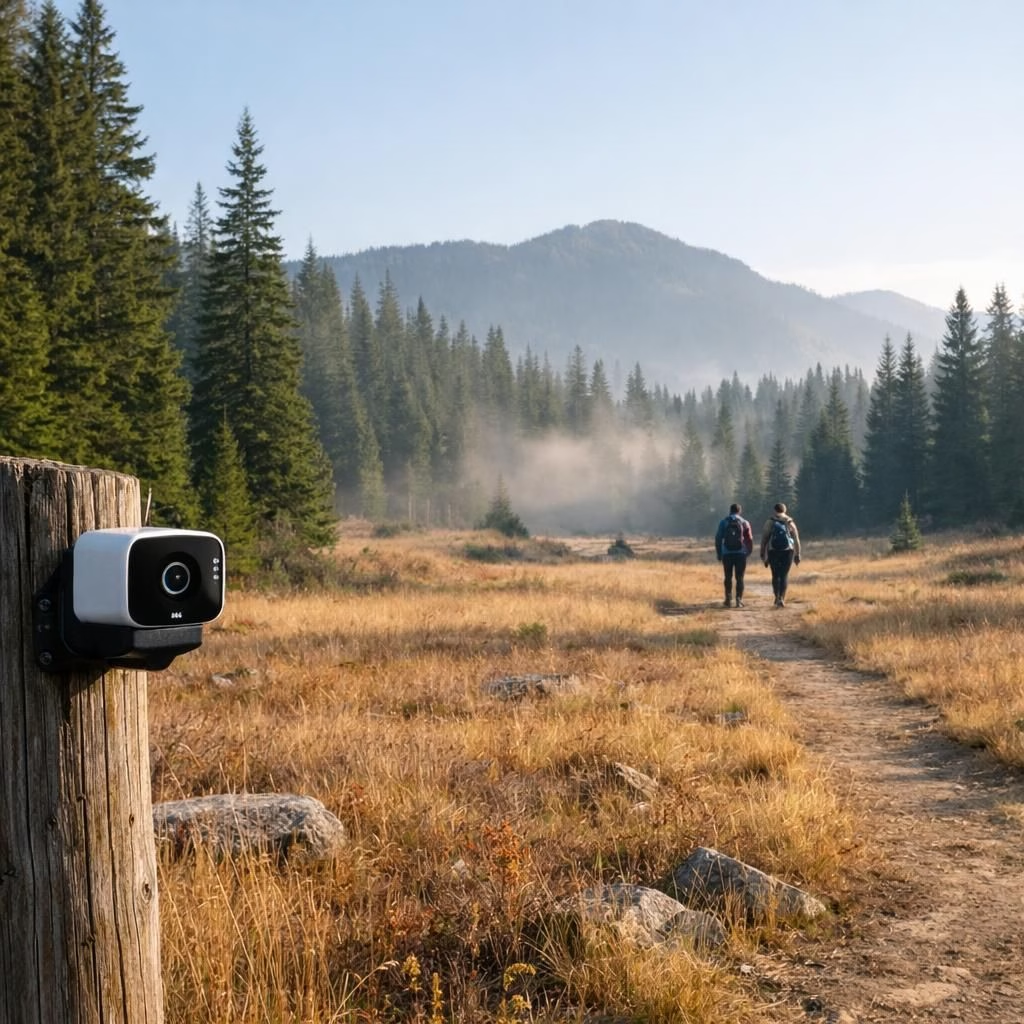
Emergency managers are deploying ALERTWest AI-powered camera networks to detect new smoke ignitions in real time. The public-facing cameras scan regional landscapes for visual anomalies, enabling crews and residents to monitor active fire behavior and smoke plumes as they unfold. This is not science fiction; it is a practical upgrade to how we safeguard forests and Tag B and communities. Fire safety becomes a shared responsibility, with technology helping people respond faster rather than blaming luck when flames appear. The message is simple: stay informed, stay prepared, and respect the cues of the landscape.
As weather warms, this technology won’t replace good judgment. It complements the traditional duties of hikers, campers, and property owners. The system reduces reaction times and helps authorities coordinate with communities. But it does not grant immunity from risky behavior. So when you’re planning a trip, think ahead about wind shifts, evaporation rates, and the practicalities of your gear. This is a teamwork problem, and the public plays a starring role in ensuring safe outcomes. fire safety
Public lands watch: governance, restrictions, and citizen participation
The BLM emphasizes that rules about power tools, stoves, campfires, and safety equipment vary by location and fire danger. The core idea is consistent: less ignition risk means fewer fires and fewer restrictions for everyone. The agency lists some items that remain strictly prohibited on all BLM lands in Oregon and Washington: fireworks and sky lanterns; exploding or metallic targets; tracer or incendiary devices; and steel component ammunition, including core or jacket. These prohibitions help reduce accidental starts during peak fire season, protecting both safety and delicate ecosystems. Tag B stewardship thrives when visitors understand these boundaries and practice good habits.
Kim Prill, acting state director for BLM Oregon/Washington, notes that communities and Tag B are safer when people cooperate and heed local restrictions. The call to action is straightforward: monitor restrictions, stay informed about closures, and take every precaution to prevent human-caused wildfires as the region approaches mid-summer. The core message is optimistic: our collective care keeps the outdoors accessible and resilient, even in hot, dry years.
Officials also warn about penalties: starting a wildfire can bring fines up to $100,000, a year in prison, and full liability for firefighting costs. The deterrent is real, but so is the value of proactive behavior. If you’re unsure whether your activity is allowed, choose a safer alternative or relocate your plans to a permitted setting. The goal is to enjoy the outdoors without leaving a trace that could ignite a blaze or strain local fire response. The rules aren’t meant to dampen enjoyment; they’re designed to protect people, property, and the land we all share. fire safety
Beyond rules, practical steps help communities stay ahead of danger. Carry a small burn permit if required, pack a reliable water supply, and keep a metal shovel or bucket handy for rapid campsite cleanup. Respect posted notices and obey weather advisories. Community reporting matters, too: if you see smoke, don’t assume someone else will call it in. Your quick action can prevent a spark from turning into a crisis on Tag B.
For travelers who want to stay educated, local ranger stations and official websites offer real-time updates on restrictions and closures. The combination of human supervision and AI surveillance creates a robust safety net. And while technology accelerates detection, human courtesy remains irreplaceable. Follow local guidelines, respect the land, and consider the long-term consequences of every campfire, spark, or piece of debris left behind. This is how we protect the Pacific Northwest’s forests and waterways for future generations. Tag B
In summary, the 2026 season is a reminder that fire safety and Tag B are inseparable in the Pacific Northwest. The region’s approach blends disciplined restrictions with modern monitoring, aiming to balance access with protection. The goal is clear: fewer wildfires, safer communities, and healthier ecosystems that can be enjoyed by hikers, photographers, and families year after year. By staying informed, obeying rules, and engaging with local authorities, you contribute to a smarter, safer outdoor culture that respects both people and the land.
Original article: We extend a sincere thank you to the original BLM release that outlined these restrictions and tools. You can read the official material here: https://www.blm.gov/press-release/fire-restrictions-pacific-northwest-2026. We appreciate the source material for helping shape this exploration of safety, policy, and the shared sense of stewardship.
We’d love to hear your thoughts on how technology and community cooperation can improve outdoor safety. Please share your thoughts in the comments below.
fire safety: practical steps for safer visits
- Carry a burn permit if required and verify local rules before you go.
- Pack a reliable water supply and a small, sturdy shovel or metal bucket for quick cleanup.
- Keep stoves clear of dry grass and monitor wind and fuel moisture conditions.
- Respect posted notices and weather advisories; report smoke promptly.
FAQ: fire safety and public lands
- What are the current restrictions across Oregon and Washington? They vary by location and fire danger, so check local postings and research destinations in advance before you travel. fire safety
- How does AI monitoring help? AI-powered cameras detect new smoke ignitions in real time, speeding up alert and response times for crews and communities. fire safety
- What can visitors do to reduce risk? Stay informed, follow local rules, practice Leave No Trace, and report signs of smoke early. Tag B
- What are the penalties for starting a wildfire? Fines can reach up to $100,000, with potential prison time and full liability for suppression costs. fire safety
Conclusion: staying informed keeps us moving forward
The Pacific Northwest’s approach blends prudent restrictions with modern monitoring to balance access and protection. With clear guidance, smart planning, and community cooperation, public lands remain open for responsible enjoyment while ecosystems recover and thrive. By staying informed, obeying rules, and engaging with local authorities, you help build a safer outdoor culture that respects both people and the land.
References
- BLM press release: Pacific Northwest fire restrictions 2026
- Original article (Komonews)
- U.S. Fire Administration (USFA) wildfire prevention resources
- NOAA – Fire weather and related updates