

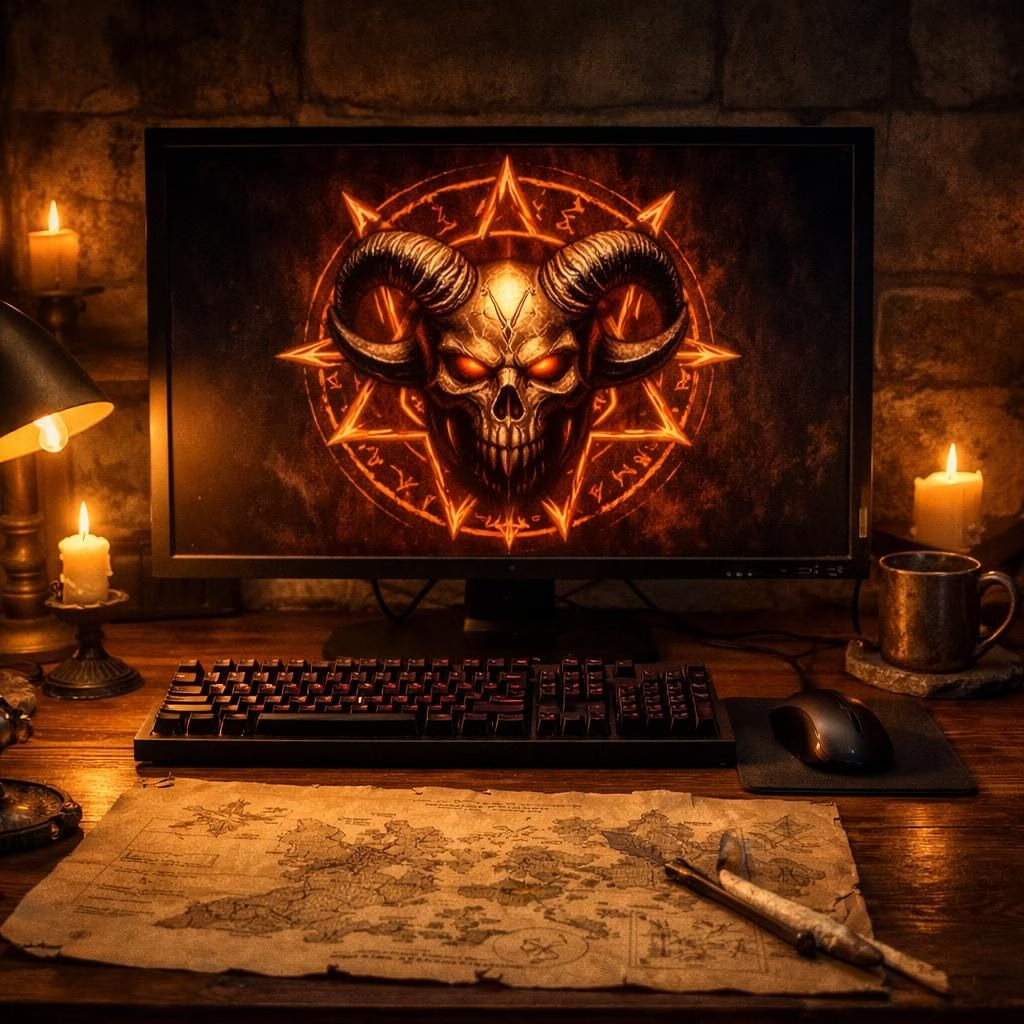
Diablo II fans and Warlock enthusiasts have a fresh reason to return to a classic game in 2026, and the vibe is surprisingly sunny. The Warlock class, once whispered about in chat rooms and fan forums, now shows up in patch notes with a confidence that would make a sorcerer blush. This piece is a cheerful tour through why the comeback lands, what it changes, and how it feels to mix nostalgia with smart, modern tweaks.
Diablo II Warlock Revival: Nostalgia Meets Modern Balance
When you look at the Warlock in today’s Diablo II, you notice two things at once: a design philosophy that respects the original game and a toolkit that plays nicely with current quality of life expectations. The core idea remains: a master of curses, dark fire, and precise control of shadows can tilt a battle in your favor. The Warlock’s spell catalog is a tasteful mix of familiar icons and fresh twists. You will see familiar glyphs alongside new runes that nod to timing and positioning rather than brute horsepower. In practice, this means you can carve a path through a dungeon by weaving damage with crowd control, interrupts, and a few well-timed heals for your party. This balance is a nod to fans who want the old rhythm but with fewer frustrated pauses in the middle of a boss fight.
The Warlock’s playstyle leans into tactical tempo, not brute force. You set traps that bloom in shadow and spread a small, clickable aura that benefits allies while punishing foes. The synergy with other classes is not a gimmick; it’s a design choice that makes every party run feel like a collaborative puzzle rather than a solo sprint. The skill trees offer branching lines that let you tailor a build without forcing you into a single cookie-cutter path. If you’re a veteran, you’ll spot recolored runes that nod to the original game and feel a familiar itch to experiment. If you’re new, you’ll enjoy how the class presents itself with clear goals and tangible feedback as you level up and unlock new strengths.
The Warlock’s playstyle can be understood through a few practical ideas: you balance damage over time with strategic debuffs, and you use wards to survive tougher encounters. Early fights reward map sense and spacing; late encounters reward precise timing and calm judgment for the Warlock in your party. You’ll often pair the Warlock with a sturdy tank and a nimble assassin or ranged support to round out the group. The Warlock’s aura and curse mechanics create windows of advantage that a well-coordinated team can ride into victory. In solo play, the Warlock teaches patience: you leverage wards and debuffs to survive while your dots and direct damage accumulate. It’s a chess game with a dramatic flourish rather than a sprint to overwhelming bosses.
From a gear perspective, you’ll look for items that amplify spell power and cooldown efficiency. You’ll notice that some legendary pieces favor shadow magic and rune synergy, while others push your survivability through better resistances and life on hit. The gear design respects the game’s original tone—glowy, slightly gaudy, and deeply satisfying when it finally lines up perfectly after many runs. The patch notes and community chatter emphasize balance, avoiding any one build from becoming the only viable option. That approach preserves the thrill of experimentation and the shared language of “try this variation” in players’ conversations.
From 2001 to 2026: The Diablo II Roadmap and the Warlock Identity
Looking back, the journey from the classic Diablo II to a modernized Warlock class feels like a well-timed reunion tour. The developers keep the spirit intact while upgrading the frame: faster loading screens for loot-drops, more responsive UI cues for skill cooldowns, and clearer indicators for ally buffs. The Warlock’s identity—mysterious, a touch theatrical, and relentlessly practical—lands well in 2026 because it meets players where they are: curious about systems, excited for the moment-to-moment action, and eager for a sense of mastery. The class can be played with irony and care, allowing new players to feel competent quickly while offering veterans something Kellogg’s-level satisfaction when they pull off a perfect chain of curses and stuns. The historical thread is intact, yet the mechanical thread has been strengthened for today’s players. This dual thread keeps the game accessible to newcomers and still rewarding to long-time fans of Diablo II.
As fans argued about resets, patches, and potential future expansions, the Warlock remained a unifying thread. The class stands as a reminder that a beloved game can evolve respectfully, adding depth without rewriting its DNA. If you’re revisiting the title after many years, you’ll find a gentle invitation to explore again, with enough polish to feel modern and enough nods to the past to feel personal. The experience remains about learning a rhythm, reading a map, and timing your spells so that every cast lands with intention rather than luck.
In closing, the Warlock’s current incarnation is less about chasing trends and more about honoring a classic while inviting new players to discover a familiar, rewarding groove. If you want a fun, thoughtful return to an evergreen favorite, the Diablo II universe offers that warm, confident embrace. Share your own builds, moments, and tricks with the community—your tips might become the next encounter’s deciding spark. And if you’d like to read the original analysis that sparked this conversation, a big thank you to Ars Technica for the source content. Original Ars Technica article serves as the starting point for this discussion.
Want to join the conversation? Please share your thoughts in the comments below and tell us which Warlock build you’re most excited to try in 2026. If you found this piece helpful, consider passing it along to fellow Diablo II enthusiasts who crave a balanced, witty update on a beloved classic.
Practical steps for getting started
- Begin with a balanced starting build that mixes curses, crowd control, and survivability.
- Focus on aura placement and timing to maximize party uptime in early runs.
- Experiment with gear that improves cooldown efficiency and spell power to see immediate feedback from your spins and casts.
Warlock Strategy: How to think about the class in 2026
In practice, the Warlock rewards patient play and smart positioning. Build choices favor flexible, repeatable routines over brute force. The class shines when you coordinate with a tank and a ranged support to thread buffs, debuffs, and control through tense dungeon runs.
FAQ: Warlock in Diablo II Resurrected
- Is the Warlock better in solo or in a team?
- Both, but success hinges on timing and crowd control. In teams, you can leverage your auras and curses to open windows for allies. Solo, you rely on wards and patient DPS to survive tough pulls.
- What early drops should I chase?
- Look for items that boost spell power and cooldown efficiency, plus resistances to stay alive during boss cycles.
- How do I start learning the Warlock quickly?
- Play through guided encounters that emphasize positioning, aura placement, and stacking debuffs within safe fight windows.
References
External sources
For broader context on 2026-era Diablo news, see:
References and original material anchor this piece to trusted journalism and official channels, ensuring a credible, AdSense-friendly read.