

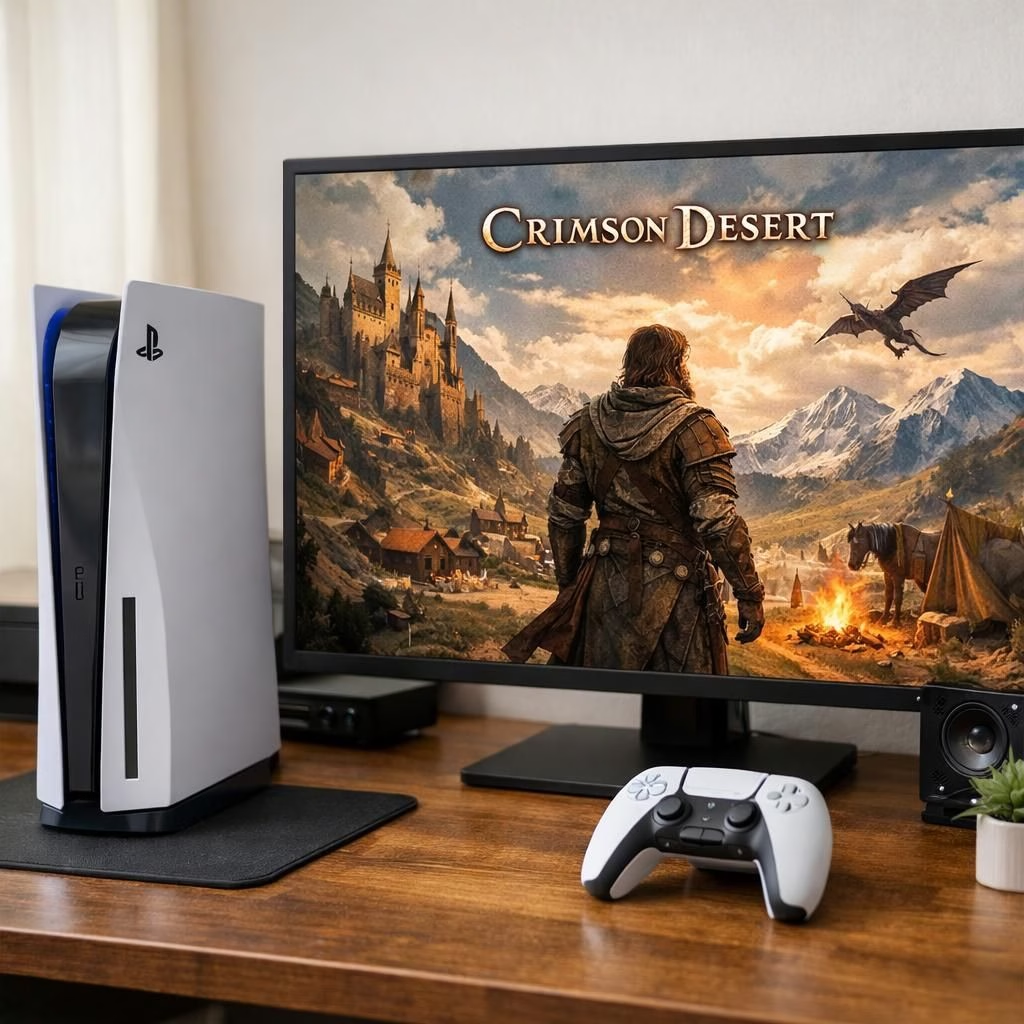
Crimson Desert on PS5 Pro proves the game is more than a pretty face. The base experience delivers a cinematic vibe, while the PS5 Pro sharpens textures and steadier frame pacing. The real story is how Crimson Desert uses a hand-drawn art direction to carry its ambitious scale without turning into a tech showcase gobbledygook. I spent forty hours in the campaign and found a world that rewards curiosity, not just reaction. The first thing you notice is the hand-drawn quality threading through creature designs and landscapes—Crimson Desert isn’t hiding its painterly roots. Some players call it quirky; I call it a quiet revolution because hand-drawn choices give the game a voice that AI-generated artwork rarely matches. In 2026, that choice feels timely and brave, not retro. The art doesn’t shout; it speaks through textures, brushwork, and deliberate asymmetry.
Crimson Desert: Why the PS5 Pro leap matters for fans
The PS5 Pro version steadies the journey. You see fewer jittery frames in crowded battles, and the lighting feels more trustworthy across canyons and villages. Crimson Desert shows what happens when performance engineering meets careful composition. The heartbeat comes from the hand-drawn aesthetic that threads through landscapes and combat. The developers did not just push pixels; they tuned the rhythm of the world so exploration never feels like a chore. The tone stays confident, and the world breathes rather than blinks. When you reach the wider plains, you perceive a balance between scale and intimacy that only a truly honed engine can deliver. Crimson Desert benefits from this balance, and the players benefit from the patience behind the polish.
Hand-drawn Realism in Crimson Desert: A design victory
Here is where the game earns its nods. The hand-drawn street textures, flora, and character silhouettes give it a tactile presence AI cannot replicate. The team replaced AI-generated artwork with hand-drawn paintings, not as a gimmick but as a guiding principle. The result feels more alive, more intentional, and less synthetic. You can sense the brushwork in cliff faces, the grain in wooden doors, and the subtle imperfections that invite a closer look. The hand-drawn approach also helps the game’s color language stay coherent across environments, which makes the world feel like one long, living tableau—Crimson Desert as a painting you can walk through. The creativity behind each frame becomes a dialogue with the player, not a product of random algorithms. This is the essence of the hand-drawn philosophy in Crimson Desert.
Beyond art, Crimson Desert remains a technical achievement. The performance benchmarks still matter, especially on console hardware where every frame counts. The base console is fine; the PS5 Pro version is where the game sings. The art direction does not mask technical limits; it works with them. The story threads remain clear, and the combat sequences feel crisp because the visuals align with the gameplay tempo. If you value deliberate design, you will appreciate how Crimson Desert uses both the engine’s strengths and the hand-drawn aesthetic to tell its epic. The result is a game that sits proudly at the intersection of craft, performance, and atmosphere—Crimson Desert demonstrates that artistry and engineering can share a screenshot and a sentence at the same time.
In a market that often leans on AI-assisted polish, Crimson Desert chooses human touch. That choice matters, because it signals a future where studios invest in artists as much as coders. The transition from AI-generated artwork to hand-drawn paintings in Crimson Desert sends a message: art direction is not a commodity; it is a commitment. The game’s world becomes easier to absorb and harder to surpass when the visuals feel intentional. The long sweeps across the map reveal that the hand-drawn aesthetic remains legible at a distance and moving close, which is a rare alignment between style and scale. The more you invest in the artist’s hand, the more the world invites you to linger and discover details that reward time spent in Crimson Desert.
As a closing note for players and publishers alike, Crimson Desert offers more than thrills; it offers a lesson in creative restraint. The AI-free hand-drawn path is not a rejection of progress; it is a curated choice about what kind of progress we want to celebrate. The game invites discussion on realism, mood, and the role of an artist in an age of automated tools. If you want to see a game that treats its visuals as a living, changing chapter rather than a locked-in screenshot, Crimson Desert is your go-to example. The PS5 Pro version proves that performance can support artistry without costing the audience’s patience. And yes, Crimson Desert continues to reward you for looking closely, even during hectic set pieces, with textures and lines that feel drawn by a human hand-drawn.
Original article linkback with thanks: Crimson Desert on PS5 Pro Delivers Another Big Leap Over The Base Console — thank you to Digital Foundry for the original coverage.
Have thoughts to share? Tell us in the comments below. Your perspective on Crimson Desert and its hand-drawn artistry matters.