

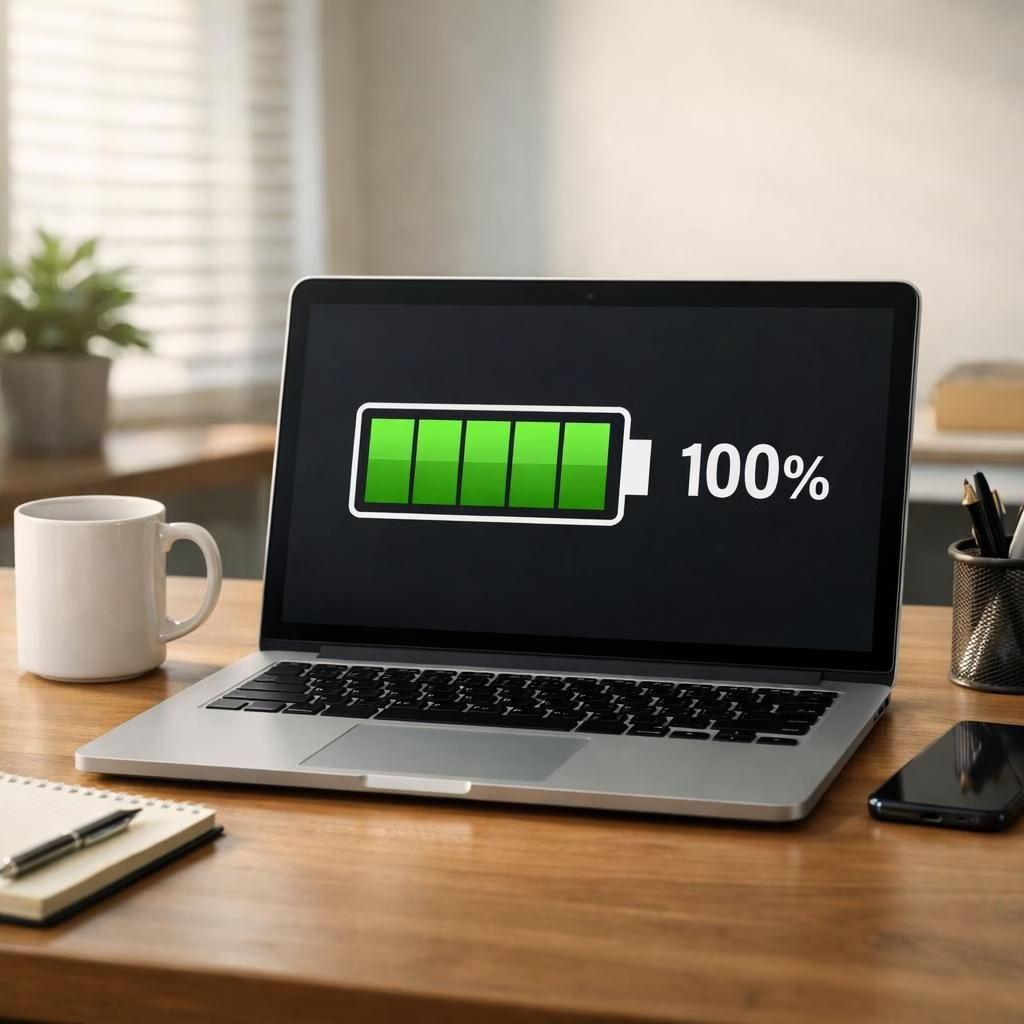
In 2026, Battery Life and Laptops are no longer punchlines; they’re the main event. Real-world gains are emerging in everyday use—smarter chips, smarter firmware, and energy-efficient displays that sip power rather than guzzle it. The Verge’s take on this shift feels like sunlight on a battery pack: real progress you can feel as you move from one meeting to the next without chasing a charger. Across Engadget, Notebookcheck, and the rest of the circuit, the mood is less hype, more method. The core idea is simple: optimize the whole chain—from silicon to screen—to reduce idle drain, recover heat from the chassis, and extend the useful life of a work session. This isn’t a trick; it’s a systemic upgrade.
Battery Life in Laptops: 2026’s Quiet Revolution
Real-world gains show up in a few quiet, practical places. Idle power matters more than the occasional burst of performance. Thermals matter because heat wastes energy and annoys users. Display brightness is a major lever: dim a panel just enough, and you save energy without turning pages into a flicker show. Laptops benefit when panels and firmware work together. Dell’s XPS 16 (2026) illustrates the trend: longer runtimes, cooler temps, and still-fast responsiveness for web work, video calls, and light photo editing. Notebookcheck’s tests for Panther Lake XPS 16 show idling around 1.5 W in ideal conditions, with nearly 27 hours of battery life in light use. The Verge’s coverage suggests this is a watershed moment, not a one-off quirk. In other words, the longer Laptops work, the less you worry about the charger, and that matters for students and professionals alike.
Laptops Get Real: What Battery Life Demands from You
That doesn’t mean users should ignore the charger. It means users should learn where energy goes. The biggest culprits: screen brightness, background apps, and a motherboard that isn’t wasting energy on idle tasks. A well-balanced machine uses a frugal CPU, a capable battery, and a cooling system that doesn’t punish the palm. The Laptops XPS 16 lineup demonstrates this triad in practice: good runtime, solid screen quality, and a chassis that stays cool under a typical workload. The discussion isn’t about chasing a myth of never plugging in; it’s about designing for real-life days—workdays that stretch from coffee to late-night emails. Apple and Qualcomm still matter in the dialogue of efficiency, but Dell, Intel, and LG Display have shown that separate innovations can come together to deliver tangible Battery Life gains in Laptops. The message for buyers is simple: prioritize total energy efficiency, not just raw performance, when choosing a machine for daily use. Notebookcheck, Engadget, and The Verge agree the future belongs to balanced designs that respect the charger and the user.
Practical steps: enable battery-preserving modes, update firmware, calibrate the display, and consider the charger’s own efficiency. Also, consider the display size and panel type; a brighter screen may steal energy, but a high-contrast panel at moderate brightness can keep readability high while saving power. The trend also affects workplaces: IT teams can standardize on devices with longer Battery Life, reducing charger clutter, and enabling more flexible remote work. With 2026 as a year marker, this isn’t just a rumor; it’s a shift in how we design, market, and use Laptops. You will notice the effect not as a flashy spec but as a smoother, quieter experience that lets you finish tasks without hunting for the nearest outlet.
Whether you are a student chasing a marathon study session, a remote worker on back-to-back calls, or a creator who edits on the couch, Laptops will shape your daily routine. The era of energy-frugal design has arrived, and it wears a practical, almost friendly smile.
Original source: The Verge via Google News — Intel and LG Display may have beaten Apple and Qualcomm with the best laptop battery life ever. Original link: source.
References
- The Verge: Dell XPS 16 best battery life
- Dell XPS 16 official page
- LG Display official site
- Original source (Google News): Google News original link
If you enjoyed this look at Battery Life and Laptops, share your thoughts in the comments.