

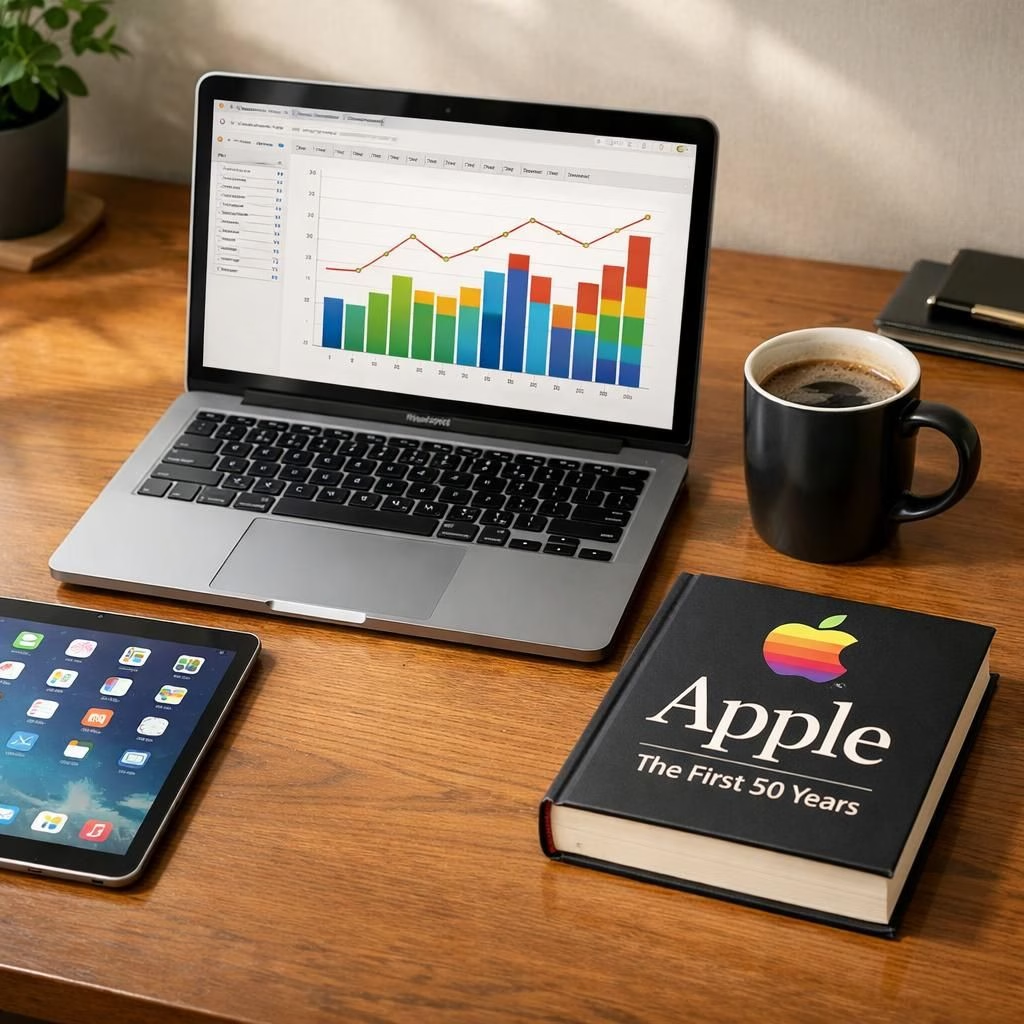
Apple and Gates collide in a warm, witty history of a tech giant. This piece draws on David Pogue’s Apple: The First 50 Years, tracing birth, near death, and rebirth under Steve Jobs, with Tim Cook guiding today. The narrative rests on more than 150 interviews with executives, engineers, and insiders who shaped Apple. It blends frenetic nights, bold engineering, and rebellious creativity—the heartbeat of Apple. A party anecdote about a boastful Gates fuels Jobs’s quest to prove what a real tablet could be. The no-stylist rule becomes legend.
Apple at 50: Design, Risk, Momentum
Apple began in a garage, with Jobs and Wozniak hatching circuits on a napkin. The origin story sets a cadence: obsession, iteration, and a design-first mindset. The book doesn’t ignore misfires; it tells the messy truth of near misses and tough decisions. Apple built a culture that treats design as problem solving.
That discipline would later define the iPhone and iPad. It also mattered for the tight hardware-software integration. The return of Jobs is not a single moment but a long reassembly of a puzzle. Apple turned difficulty into durable momentum, guiding rivals to chase a moving target. The origin tale explains why Apple keeps its stubborn optimism. It is a trait baked into the company’s DNA.
Gates and Jobs: A Complex Dance
Gates and Jobs occupy a well-known, peculiar corner of tech lore. The book revisits Microsoft’s 1997 rescue of Apple, a move that looked unlikely but proved pivotal. The deal included a $150 million investment. It also ended patent lawsuits and pledged to keep Office for Mac alive. It isn’t a simple tale of heroes or villains; it’s a practical story of timing and pragmatism. The no-stylist tablet tale embodies Jobs’s rebellious design stance. Gates‘s measured skepticism about the iPad at launch adds a human element. Even the most confident icons underestimate new form factors until they become obvious. Pogue’s retelling shows how Gates and Apple sparked a cycle of invention, collaboration, and healthy competition. The feud and the alliance together shaped the broader tech ecosystem.
Tim Cook arrives as a steady hand. The book paints him as calm, purposeful, and persistent. Cook steers Apple through soaring markets and a changing tech landscape. He refines the portfolio: iPhone maturity, iPad continuity, wearables, and a growing services business. The company’s secrecy shifts toward measured openness, while design remains the compass. This era balances disruption with reliability, a combination that keeps Apple relevant in 2026. Cook’s Apple focuses on privacy, sustainability, and supply chain resilience. It’s not a fireworks show, but it is relentlessly effective.
Beyond anecdotes, the book asks readers to see a larger truth. Tech progress comes from a messy mix of risk, rivalry, and craft. The fifty-year arc isn’t just about devices. It’s about a culture that treats design and business strategy as one discipline. User delight remains a core focus. If you love tech, design, or business stories, this book offers smart analysis and entertaining color. The tone is affectionate toward Apple and the key players. It does not shy away from hard lessons. As we navigate 2026, the Apple story reminds us that bold bets meet disciplined execution.
Original article: Thank you to the author for the material and inspiration.
References
- Times of India — story behind Jobs, Gates, and the tablet tale
- Britannica: Apple Inc.
- Apple Introduces the iPad — Apple Newsroom