

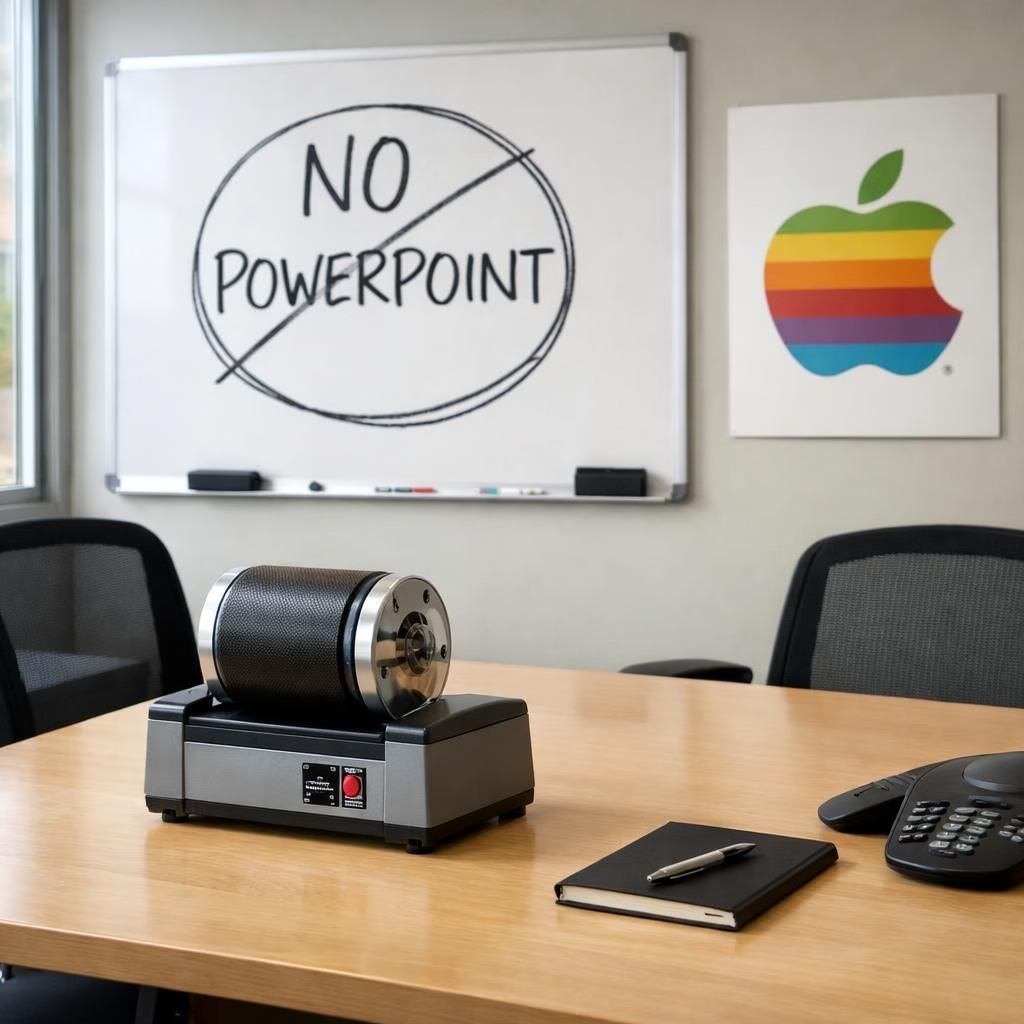
In Apple culture and Steve Jobs‘ leadership, this breezy tour through David Pogue’s Apple: The First 50 Years reveals how Monday meetings, the no-PowerPoint rule, and a rock tumbler mindset shaped Apple’s culture and results.

When Apple returned in 1997, Monday meetings became the ritual heartbeat of the executive team. Steve Jobs led with fearless, sometimes loud energy, and the room learned to think aloud. The idea was simple: air out ideas fast, challenge each other, and own the decision when the room clears. Phil Schiller remembers the energy: fights that end with shared ownership. The outcome showed a disciplined, transparent process guiding product and strategy through years of change.
In Pogue’s telling, Steve Jobs treated the meetings like a rock tumbler. Rough ideas get polished by friction, then polished again by debate, until they shine. People argued, versions flipped, and allies switched sides to test a concept from a new angle. The point wasn’t to win a debate; it was to refine reasoning and align the team around a stronger plan. Apple learned to value clarity over consensus for the sake of progress.
No PowerPoint ever entered Steve Jobs‘ rooms. The rule earned fame and controversy. Instead of slides, participants brought knowledge, data, and a posture of listening. Jobs reportedly hated slides because they encourage people to rely on visuals rather than thinking. The discipline forced deeper command of the subject and a direct dialogue. Dissent was welcomed, which sharpened the final choices that defined Apple products for a generation.
Apple-Driven Monday Meetings: Lessons from Jobs
These sessions produced a culture that still echoes in Apple today. The format trained leaders to test ideas against reality, to defend a position vigorously, and to concede when data demanded it. The lessons extend beyond the boardroom and into everyday work: aim for crisp thinking, invite challenge, and never confuse motion with progress. Original Business Insider coverage helps place these practices in context.
Rock-Tumbler Thinking: How Jobs Shaped Apple Culture
Tim Cook’s recollection of Steve Jobs inviting him to lead is a poignant moment in the book’s narrative. Jobs invited him to step forward, then pressed him to act with integrity. Cook recalls the moment as a turning point: instead of chasing the exact path Jobs would take, he would pursue the best version of himself. “Never ask what Jobs would do — just do the right thing,” Jobs advised, giving Cook a framework to build a distinct, durable Apple’s leadership style. This was not about mimicry; it was about sustaining a culture that could adapt while staying true to core values. The leadership handoff, in this view, was also a lesson in humility and responsibility: a new steward with a clear sense of purpose and a willingness to learn from the past.
In practice, the Apple culture that emerged under Steve Jobs‘ guidance rewarded rigorous debate, creative risk-taking, and clarity over cleverness. The rock tumbler remained a metaphor, but the output became better products, better teams, and a better sense of direction for the company. The lessons endure as the company continues to navigate bold products, supply-chain puzzles, and the ever-present pressure to innovate without losing what made Apple special in the first place.
For readers today, these stories offer a blueprint for product development and leadership under pressure. The no-PowerPoint principle? A reminder to know your material. The Monday meetings? A model for cross-disciplinary alignment. The insistence on integrity? A compass for decision making when the stakes are high. And the rock tumbler? A reminder that friction can be your friend when the outcome is a refined, united team.
Readers are invited to share their thoughts in the comments below.
Special thanks to Business Insider for coverage of David Pogue’s Apple: The First 50 Years. Original article: Business Insider coverage.
For broader context on leadership in tech, see a Britannica overview and a Harvard Business Review guide: Britannia overview and How to Run Better Meetings.
Practical Takeaways for Apple Leaders
- Lead with crisp thinking: Encourage quick, clear argument and test ideas against real data.
- Replace slides with dialogue: prepare your key points and data, not slide decks.
- Invite dissent to sharpen decisions, then commit as a team to the chosen path.
- Balance tradition with innovation: preserve core values while pursuing bold new products.
FAQ
- What made Monday meetings so influential at Apple?
- They combined rapid idea airing, rigorous challenge, and cross-functional alignment in a concise rhythm.
- Why was the no-PowerPoint rule important?
- Because it forced participants to own the material and think deeply, rather than rely on slides.
- What does the rock tumbler metaphor teach leaders?
- Rough ideas get refined through friction and debate, yielding stronger plans and a shared sense of direction.
- What is Tim Cook’s takeaway from the Jobs era’s leadership?
- Focus on doing the right thing and building on a culture you can sustain, rather than copying a predecessor.
Conclusion
Taken together, these stories offer timeless guidance for product development under pressure: skeptical debate, clear thinking, and a steady commitment to core values. For teams aiming to ship better products, adopting a disciplined meeting rhythm, avoiding slides when possible, and valuing integrity can help maintain focus while scaling innovation—just as Apple has done for decades.