

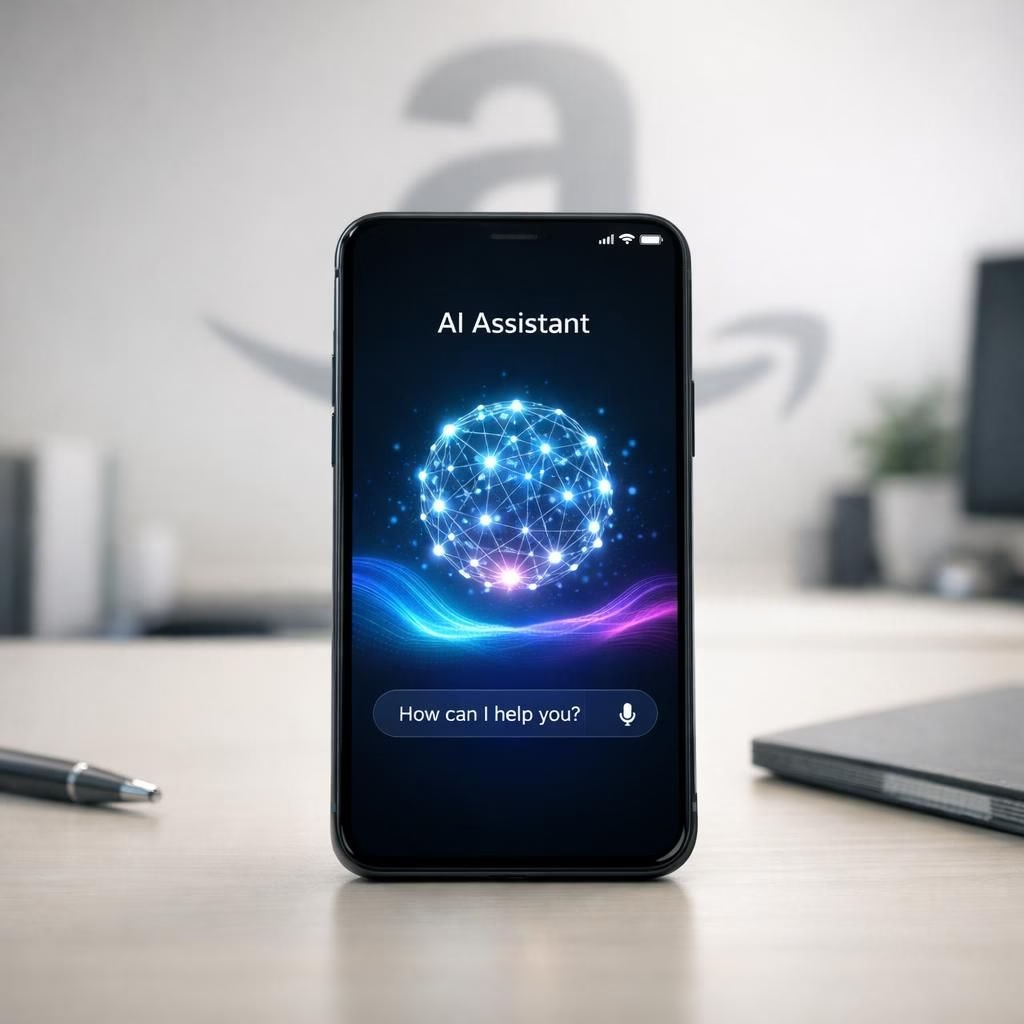
Rumors say Amazon is building an AI smartphone—a move that could fuse AI smartphone capabilities with Amazon-scale practicality. The goal is to turn a pocket device into a portal for services, shopping, and personal assistant duties. In 2026, the vision is to keep the phone in your hand while letting AI lighten your load, not your wallet. The AI smartphone ambition collides with Amazon optimism in a way that blends hope with a dash of boldness.
AI smartphone dreams meet Amazon reality
In tech chatter, credible hints point to a comeback for a line of devices built around an AI brain. The core idea centers on the AI smartphone capacity that ropes in Amazon‘s ecosystem—Alexa, Prime, cloud services—and marries it to a phone with strong on-device intelligence. The result could be a portable control room for daily life, not just a device to make calls. You could ask for a product recommendation, check a delivery, or queue a playlist with a single voice command. The aim is a device that anticipates needs, making life smoother without turning every moment into a pop-up ad.
Crafting this kind of machine means balancing power with privacy. The hardware would need efficient chips, thoughtful battery life, and a software layer that respects user choice. If done well, the AI smartphone would learn your routines but offer transparent toggles, so you stay in control. In short, the plan is not just clever marketing; it is a real attempt to turn a daily tool into a trusted assistant.
What Amazon’s AI smartphone future could look like
Envision a device that uses natural language processing to observe routines and then suggest actions that save time. Mornings could start with a tailored briefing, your latest orders auto-filled from past purchases, and a smooth handoff from home to car as you leave. Alexa would move beyond a gadget voice into a personal helper that feels proactive, not pushy. On the software front, developers could tap into Prime benefits, cloud services, and a streamlined app market that respects your privacy while staying useful. The challenge is clear: privacy, consent, and clear data controls must come first, or the dream risks becoming a nightmare of constant nudges.
Hardware efficiency and a robust developer ecosystem would be key. Expect tight integration with smart home devices, a refined camera system, and thoughtful energy management to keep things running through the day. If Amazon can deliver a cohesive experience that is fast, reliable, and friendly, the AI smartphone could become less a novelty and more a daily companion.
From rumor to routine: what this AI smartphone means for users
The upside for users is a more seamless life. Apps might prefetch what you need, shopping becomes assistance, and calendars align with delivery windows. A device designed around privacy and speed could reduce the friction of digital life while increasing convenience. The best outcome would pair strong AI with transparent controls, so you feel in charge of what data leaves your device. A well-constructed AI smartphone could handle home automation, hands-free calls, and on-the-go entertainment without forcing you to juggle dozens of apps.
Industry watchers caution that a 2026 rollout would demand a careful balance of UX, battery life, and a healthy app marketplace. Yet the appeal is clear: an ecosystem that blends AI, Amazon services, and hardware into one persuasive package. The result could be more responsive, more helpful, and more human-friendly than today’s typical smartphone experience.
Beyond the headlines, the real test will be in usability. If the device delivers snappy performance, easy privacy toggles, and meaningful intelligence, users will notice. The combination of an AI brain with Amazon‘s service spine promises a level of convenience that some already crave. The question remains whether this approach can scale globally, respect diverse user needs, and compete with other AI-enabled devices in the market.
Share your thoughts in the comments below — how do you envision an AI smartphone from Amazon changing your 2026? Your ideas could spark real-world power-user conversations.
Original material inspiration and thanks: Ars Technica article: Amazon is reportedly developing an AI-centric smartphone. Thank you for the groundwork.