

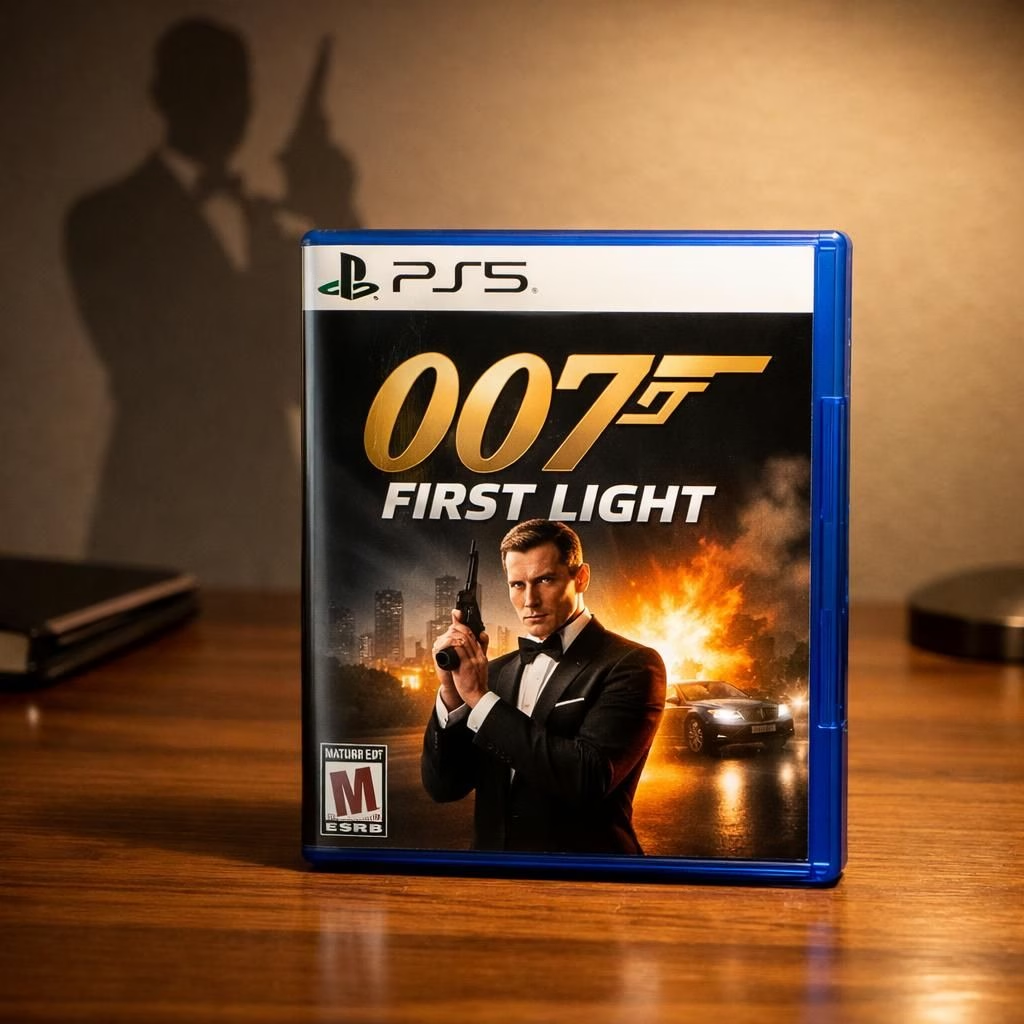
007 Tag B isn’t a film, book, or boxy video game release. It is a cultural moment that folds Bond’s history into a brisk, glossy present. In 2026, the Bond universe enjoys a rare luxury: a story that feels both familiar and tactile. The gadgetry works as plot leverage rather than flashy ornament. The title 007 anchors a conversation across outlets like The Jimquisition, The Washington Post, Plugged In, Inverse, and IGN. Each outlet weighs in with a different tone—from skeptical glee to market-savvy analysis. The result is a multi-platform thread, not a single product. It shows Bond’s mythos traveling, multiplying, and staying legible to fans who crave depth and shine. This playful take treats 007 and First Light as a shared vocabulary for espionage chic. Critics chip in, fans nod, and casual readers smile at the blend of nostalgia and present-day polish.
007 First Light: Why this Bond Story Stands Out
From its opening lines, the project demonstrates that a story can live outside a theater. The Washington Post calls it the best Bond story since Casino Royale, albeit not a film, which both enthuses and teases the medium’s limits. The tone remains mischievous but respectful, a balance that few crossover titles achieve. The narrative foregrounds gadgetry and wit without overwhelming character arcs. This keeps Bond’s spirit intact while inviting readers into a modern era of quick cuts and sharper dialogue. The result feels like a heist movie you can read, a spy novel you can play. The piece respects the long arc of Bond while proposing a clever pivot for the format. That pivot is both practical and celebratory, a rare combination in today’s cross-media world.
From 007 to First Light: Seeds for Bond Actors & Franchise Longevity
This section treats the title as a seed for future Bond actors. Inverse notes that 007 Tag B plants seeds for every James Bond actor ever, a meta trick that seasoned writers call a franchise accelerator. The approach assigns a throughline: the spy lives across media, not just on the silver screen. It suggests a template where new actors can step into a familiar silhouette without losing their own voice. The cross-media strategy also works as a marketing engine, spreading word of mouth across readers, viewers, and gamers. IGN reports that the game or book era has tapped millions of sales, proving the model can be financially viable while remaining artistically elastic. The effect is not trickery but a durable frame for storytelling that can accommodate fresh faces and evolving tastes.
Sales, Revenue, and Cultural Footprint of 007 First Light
Sales traction matters in a world full of franchises. IGN recently estimated 2.2 million copies sold and about 150 million in revenue for the project, a figure that causes both a smile and a nod to the data team. The numbers reflect a broader appetite: fans want collectible experiences, practical play, and a story engine that travels across screens. Critics capture the vibe differently—The Jimquisition offered a pointed, spirited review, while Plugged In weighed moral and media implications. The Washington Post highlighted the storytelling shine, distinct from the big-budget film cadence. Inverse framed the work as a seedbed for future Bond actors, which fans welcomed as evidence of a living, breathing universe. In short, the cultural footprint extends beyond a single product and leans into community engagement and ongoing conversation.
Practical Takeaways for Fans, Writers, and Game Designers
Practical takeaways for fans, writers, and game designers start with a tight throughline and a respect for the legacy. Nostalgia meets current sensibilities without becoming paralyzed by it. Focus on strong character moments that anchor across media. The Bond voice should stay crisp, not drowned in marketing buzz. Use cross-media tactics to invite audience participation: podcasts, short fiction, and playable demos all help. The cross-media approach proves you can blend franchise history with forward-thinking design. The result is not a reboot but a renewal that honors the past while inviting new audiences to join. The lesson is simple: a well-timed, well-executed cross-media plan can sustain a long-running universe without losing its soul.
- Focus on core character moments that translate across formats.
- Keep voice consistent, avoid over-promotion.
- Offer playable demos or short stories to drive engagement.
Your turn: how do you feel about the cross-media Bond storytelling experiment? Do you think the cross-media approach helps Bond stay relevant, or does it risk diluting the myth? Tell us in the comments and join the conversation.
Source attribution and thanks: Special thanks to The Jimquisition, The Washington Post, Plugged In, Inverse, and IGN for the original coverage. Read more at their sites: The Jimquisition, The Washington Post, Plugged In, Inverse, IGN.