

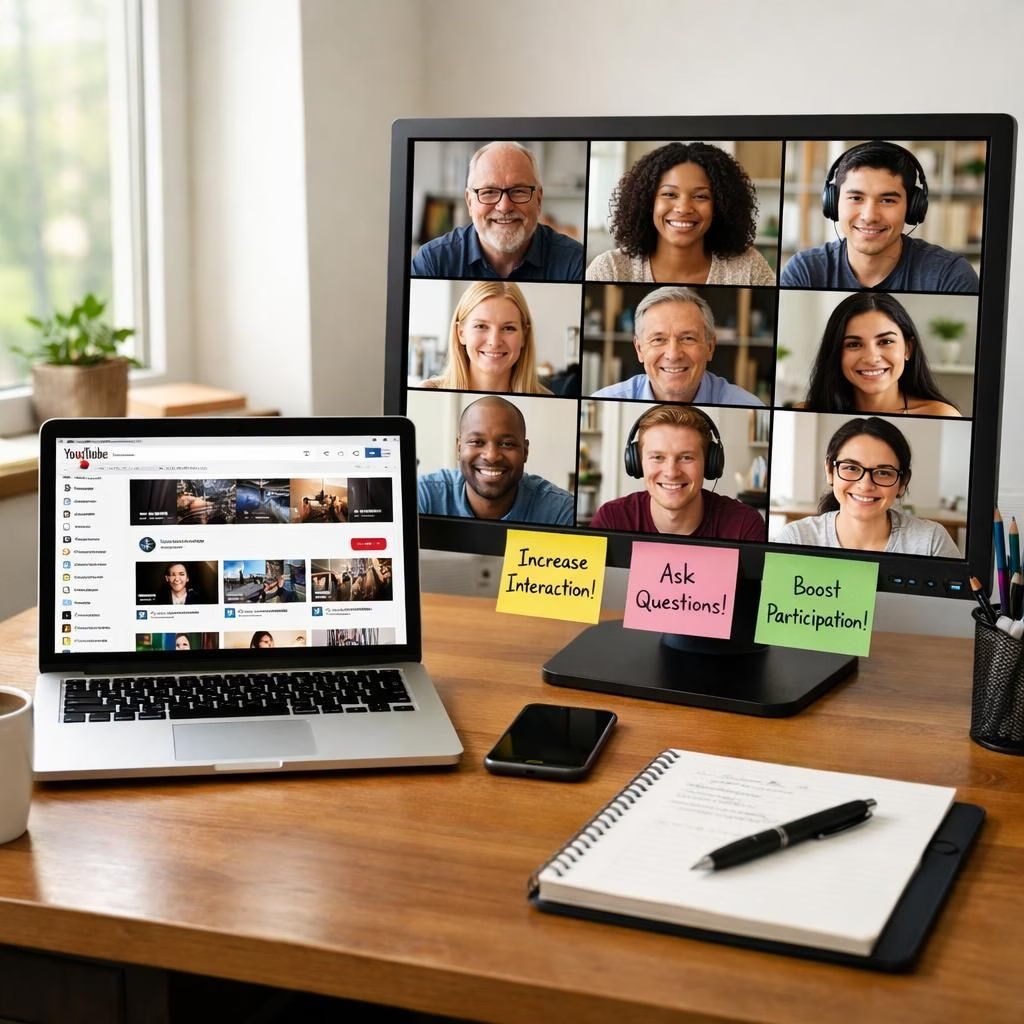
In 2026, the idea that YouTube viewers can band together to influence which ads appear is entertaining, yet not fully practical. This piece examines how YouTube engagement has shifted from passive viewing to active collaboration, and what that shift means for creators and audiences.
YouTube engagement in 2026: Community-Powered Ad Control
At the core, the idea hails from a Dexerto piece about YouTube viewers who can now work together to stop ads from playing. The headline reads like a prank, but the idea nudges us toward a larger truth: communities can steer content through collective actions like upvotes, watch-time patterns, and constructive feedback. In this playful scenario, engagement compounds when viewers share strategies that respect guidelines while encouraging creators to offer value rather than interruptive interruptions. The reality is more nuanced than a magic ad eraser, yet the energy remains real: a culture of cooperative watching that rewards creators who listen and adapt.
YouTube engagement: Tools, Partnerships, and a More Engaged Audience
Beyond ad quixotic quests, the week’s articles outline practical steps. Four ways to level up your YouTube Live engagement; four new engagement options for creators; AI tools and partnerships to boost engagement; tools for musicians to grow audiences. Each piece adds a layer of tactics: live polls, adaptive chat moderation, creator collaborations, and data-informed content decisions. The key is to shape engagement into a two-way street where viewers feel heard and creators feel supported. The practical takeaway: invest in tools that respect viewers, respect creators, and respect the platform itself. The goal is to foster sustainable engagement rather than hype cycles alone.
Practical tips include sticking to a regular cadence on YouTube and hearing the audience out on what they want to see next. YouTube thrives on consistency and value, not volume or clickbait. engagement grows when you offer clarity about goals and deliverables.
For creators curious about the landscape, the articles emphasize four categories: live engagement features, creator-tool rollouts, partnerships, and community-driven design. The first category highlights live polls, countdown clocks, and interactive overlays that invite the audience to shape outcomes in real time. The second category points to new creator tools designed to reduce friction, such as easier analytics dashboards and better clip creation. The third category celebrates partnerships with brands or independent labels, enabling creators to cross-pollinate audiences with integrity. The fourth category champions communities that help one another while staying true to content quality. In practice, smart engagement means clear expectations, respectful discourse, and consistent delivery of value to viewers.
Finally, a nod to creators who have embraced these tools: AI-assisted editing, smarter thumbnails, and creator partnerships that feel natural. The engagement signal benefits not only the creator but also the viewer, who receives a more tailored experience. This mutual reinforcement is the heart of 2026’s YouTube landscape.
In real terms, the landscape rewards creators who balance ambition with empathy. YouTube engagement is not about clever tricks; it is about building trust. Viewers stay longer when they see thoughtful, well-paced programs that respect their time and curiosity. Creators succeed when they listen, test, and iterate with data-driven humility. The result is a healthier ecosystem where ads are less of a nuisance and more of a contextual revenue stream that supports quality content.
Special thanks to the original article series for inspiration: YouTube viewers can now work together to stop ads from playing. Thank you to the source authors for the material.
Have thoughts? Share your experiences in the comments below and help shape the next phase of YouTube engagement.
Practical steps to boost YouTube engagement
- Establish a regular posting cadence and use engagement benchmarks to guide topics.
- Use live polls, Q&As, and interactive overlays to invite real-time feedback. This drives engagement without interrupting the viewing experience.
- Collaborate with other creators to reach new audiences while preserving content quality. Shared engagement benefits everyone.
- Invest in analytics to understand what resonates and adjust your strategy accordingly, fostering sustainable engagement.
FAQ: YouTube engagement in practice
- What does engagement mean for small creators?
- It’s about building trust and delivering value, not chasing trends. Start with a clear goal and listen to early feedback to improve over time.
- How should creators respond to viewer feedback?
- Respond with transparency, implement workable suggestions, and communicate progress. That approach reinforces engagement without appearing reactive.
- Do ads need to feel intrusive?
- No. Contextual, well-timed ads that align with content can support quality, while preserving the viewer experience and engagement.
Conclusion and next steps
Smart YouTube engagement isn’t about tricks; it’s about trust. Creators who listen, test, and iterate with data-driven humility build a healthier ecosystem where ads support quality content and viewers stay engaged.
References
External sources
For additional context, see the YouTube Official Blog and related creator resources. You can also review the Dexerto article linked above for the original idea.