

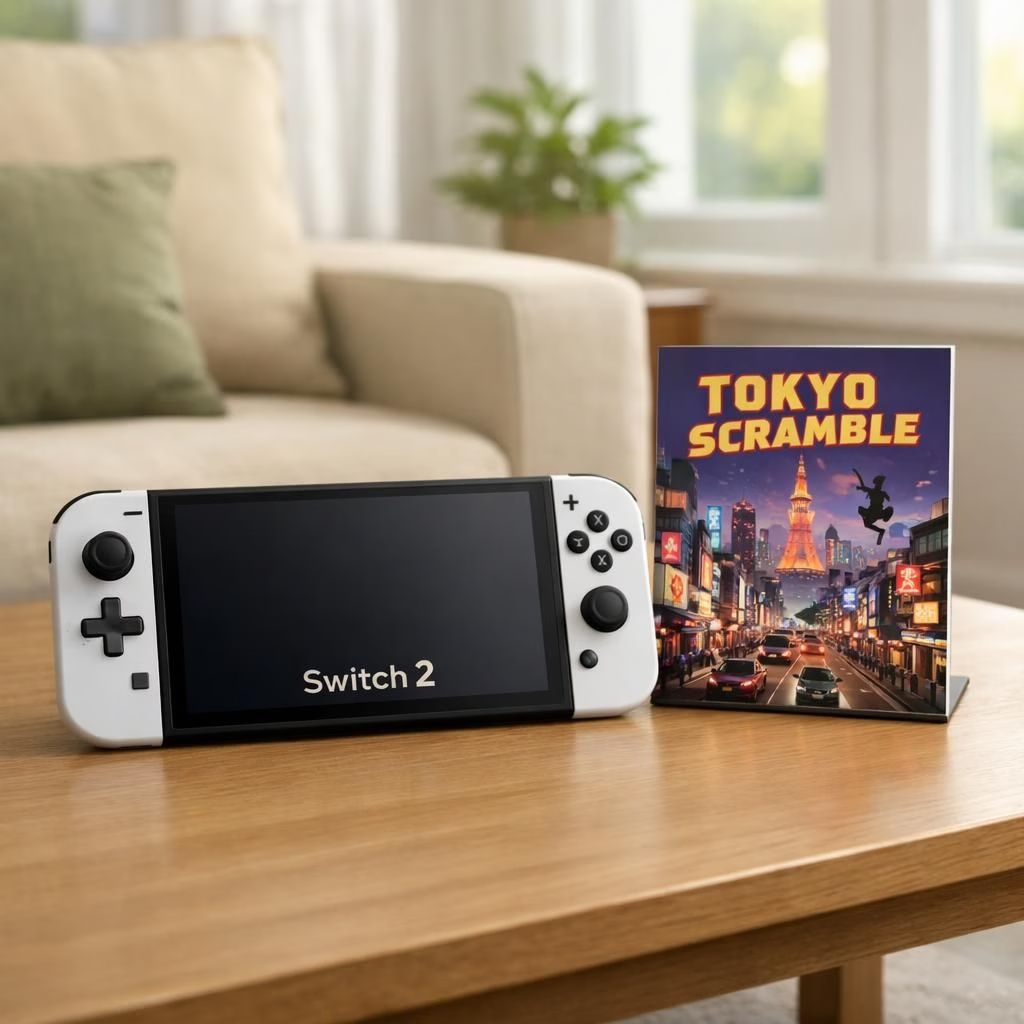
Tokyo Scramble enters the arena with a cheeky grin, and Nintendo Switch 2 players should perk up, because the pair are here to test a familiar formula with fresh swagger. The goal is not to reinvent the wheel but to roll it with a wink, and maybe a few punchlines along the way.
The aim here is to analyze rather than attack, to talk about mood, timing, and how a console can shape a game’s reception. We’ll look at what a game’s pacing on screen says about a studio’s confidence, and how fan communities respond to the thrill of exclusivity. We’ll also consider how portability and quick access modes affect how often people revisit a title. In 2026 the industry keeps showing the same patterns: loud launches, careful follow-through, and debates about value that never fully disappear.
Tokyo Scramble: A Case Study in Console Conversation
In hands-on sessions and cozy living rooms, Tokyo Scramble presents its own personality. The visuals lean neon and retro without tipping into kitsch, and the gameplay loop remains friendly enough to invite newcomers. The game refuses to pretend it is more than it is, and that honesty is part of its charm. Tokyo Scramble becomes a lens: it highlights the delicate balance between novelty and reliability in the Nintendo ecosystem, especially when Nintendo Switch 2 is paired with a hardware strategy that many players already know as Nintendo Switch 2.
Performance is not a single metric. It is how a game shares attention with its platform. Tokyo Scramble’s design shows a willingness to lean into clever quirks, while the Nintendo Switch 2 hardware supports crisp motion and responsive controls. The result is a product that invites discussion: is Tokyo Scramble a campy classic in the making, or a charming misfire that still makes you smile?
Nintendo Switch 2 and the Exclusive Dilemma
The Nintendo Switch 2 exclusivity can be a boon, but it can also limit the conversation. The GameShare feature, if implemented with generosity, could turn Tokyo Scramble into a shared joke among friends rather than a solo punchline, and that is where the real value lies. Nintendo Switch 2 ownership feels like a badge, yet the best moments arrive when players feel included, not fenced in.
Critics will argue about timing, pricing, and accessibility. The deeper truth is that Nintendo Switch 2 franchises thrive on discovery, and Tokyo Scramble is an invitation card to that world. The game’s humor lands more easily when the player is already comfortable with the device, and the device rewards curiosity with quick hops back to familiar menus and new ideas.
Tokyo Scramble Mechanics and Visuals
Behind the surface, the mechanics stay accessible, and the design nudges players toward exploration, not fatigue. It’s a gentle reminder that a clever gimmick can be a gateway, not a gate. The Tokyo Scramble art direction nods to street-level Tokyo while keeping a crisp edge that fits the Nintendo Switch 2‘s capabilities. It’s not a blockbuster; it’s a well-made invitation to stay awhile.
Nintendo Switch 2: The Platform as Co-Author
The real story, of course, is how Nintendo Switch 2 acts as a co-author to the joke. Its online infrastructure, its shareable moments, and its family-friendly ethos shape how Tokyo Scramble is experienced. A game that travels well on the Nintendo Switch 2 network can become a shared memory, not just a solo screen glow. In 2026, that shared experience matters more than the latest shiny feature, and Tokyo Scramble demonstrates this by leaning into accessibility and warmth.
Ultimately, the mix of humor, design, and platform philosophy makes Tokyo Scramble feel fresh yet familiar. Nintendo Switch 2 fans will appreciate the care that went into balancing personality with practicality. The result is a title that earns airtime in conversations about exclusivity, reuse, and the joy of a well-timed joke.
Have thoughts? Share your reflections in the comments below, because your view may reveal a detail we missed.
Original article attribution: Missed Potential Or A Campy Classic? Switch 2 Exclusive ‘Tokyo Scramble’ Hasn’t Been A Hit — a grateful nod to the team at Nintendo Life for the source material. Original Nintendo Life article.
Practical observations for readers
- Pay attention to how Tokyo Scramble rewards quick interactions on the Nintendo Switch 2 platform, which can encourage repeat play.
- Watch for how exclusivity affects conversations among friends and how shared moments can amplify the joke rather than silo it.
- Consider portability benefits—the Nintendo Switch 2 form factor can turn short sessions into a habit rather than a one-off.
FAQ
- Q: Is Tokyo Scramble a good introduction to the Nintendo Switch 2 library?
A: It’s approachable and light, which makes it a soft entry point for players curious about exclusives without demanding heavy commitment.
- Q: Does the exclusive nature of the title hurt its longevity?
A: Not necessarily. If the game supports cross-session play and quick re-entry, the experience can remain rewarding even amid competition.
- Q: Should new players jump in now or wait for a potential sale?
A: If you value a friendly, accessible mood and short play loops, jumping in now can be satisfying. Sales timing often varies by region and retailer.
Conclusion: A well-timed wink, not a grand slam
Tokyo Scramble demonstrates how a game can feel both familiar and fresh when deployed on a platform that emphasizes sharing and accessibility. The result is a title that earns its airtime in conversations about exclusivity, reuse, and the joy of a well-timed joke.
Have thoughts? Share your reflections in the comments below, because your view may reveal a detail we missed.
Original article attribution: Missed Potential Or A Campy Classic? Switch 2 Exclusive ‘Tokyo Scramble’ Hasn’t Been A Hit — a grateful nod to the team at Nintendo Life for the source material. Original Nintendo Life article.
References
- Nintendo Official Site
- The Verge – Gaming News
- Polygon – Gaming Coverage
- Original Nintendo Life article