

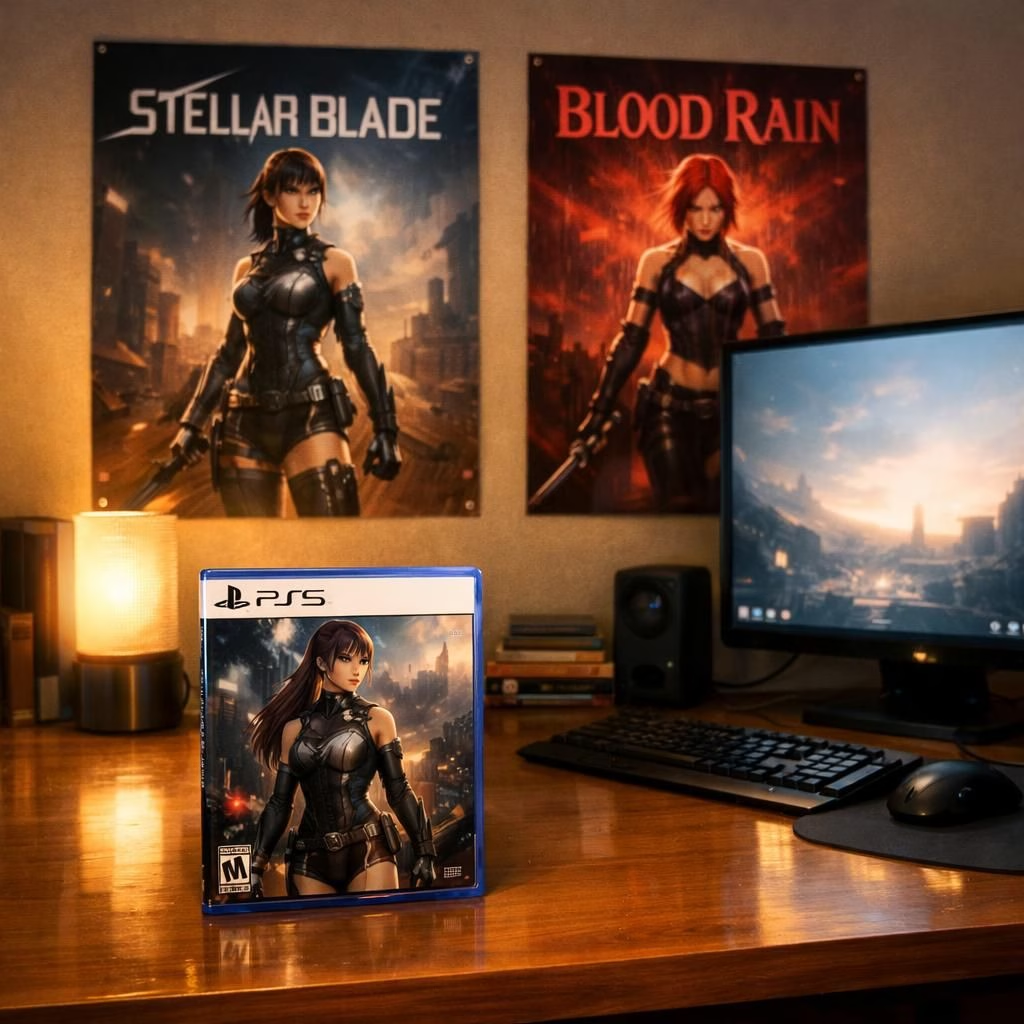
When you distill the chatter from the latest Kotaku round, Stellar Blade’s CEO publicly shrugs off complaints about the sequel’s protagonist, and Blood Rain‘s fan base watches with a mix of relief and curiosity. The piece frames this as a calm, almost confident stance rather than a denial, a moment that suggests the studio trusts its path even as discussion swirls online. The scene is a small theater of press and players: a leader with a plan, and a community ready to debate every plot beat. The takeaway is simple but telling: momentum matters, and a strong brand can weather mixed reactions while pushing into a bolder chapter.
As this unfolds, Stellar Blade remains the central frame, while Blood Rain remains a touchstone for how fans evaluate risk and reverence in long-running IPs.
Stellar Blade: Sequel Debates in Short
Behind the scenes, the discussion centers on how a flagship title handles a sequel’s protagonist. Critics ask whether the new lead can carry the weight of the world built by the first game or if we are watching a familiar city with different signage. The answer, in practice, is not a single verdict but a spectrum: some praise bold character choices; others worry about pacing and tonal shifts that could alienate longtime players. The industry watches metrics like player retention, review scores, and social sentiment to gauge whether the change feels earned or forced. The narrative direction matters more than a single gimmick, so the team leans into a solid setup that offers both continuity and fresh energy. In addition, developers face a practical constraint: the sequel must feel accessible to newcomers while rewarding veterans who remember the original. So they thread consistency with new ideas, ensuring the core mood survives while new scenarios emerge. This balancing act shapes how audiences talk about the game long after release. The result is a conversation that travels from forums to live streams, with critics comparing pacing, worldbuilding, and character dynamics. The most constructive voices emphasize craft over controversy, reminding readers that quality storytelling can anchor a series through a noisy moment in pop culture. As of 2026, analysts note that this approach tends to work when it blends nostalgia with curiosity.
For Blood Rain fans, the balance between continuity and bold change remains the critical test of a sequel’s staying power.
Stellar Blade: Sequel Strategy
The strategy rests on a careful balance of continuity and risk. The team keeps core moods intact, while weaving fresh stakes and environments that still feel authentic to the world of Stellar Blade. By aligning pacing with a more confident tone, the game invites both veterans and newcomers to explore without feeling lost. This approach shows how a blockbuster property can evolve without losing its essential charm.
In practice, the studio prioritizes accessible entry points for newcomers while rewarding players who followed the original. That means familiar landmarks, a coherent magic of atmosphere, and a few surprising twists that spark discussion rather than confusion. The result is a sequel that invites ongoing dialogue about craft, not controversy.
Blood Rain: A Look at the Protagonist Shift
Blood Rain enters as a case study in how studios balance legacy and risk. The new lead’s path is drawn with enough clarity to invite debate while avoiding a fan-servicing stereotype. Critics note moments when the character’s decisions reshape the tone without wrecking the familiar atmosphere that first won audiences. The aim is to honor the past while signaling that the series can breathe in fresh air. The balance shows up in pacing, dialogue density, and the way bosses design new encounters to feel meaningful rather than merely punitive. The conversations spill onto social pages and live streams, where players compare the new arc to the old one and decide whether the change is a win or a stumble. It isn’t always dramatic triumph; often it’s a quiet, deliberate choice to deepen the world and give a different personal lens on the same conflicts. Blood Rain fans know how the path tests patience and rewards those who stay.
Blood Rain remains a useful benchmark when you weigh tone, pacing, and narrative focus against the expectations built by the original game. If you follow the arc closely, you can see how the new lead can carry the weight of the world without erasing what made the first chapter special. The discussion often returns to craft: character motivation, meaningful boss design, and scenes that feel earned rather than slapped onto the screen.
Blood Rain Context
In broader terms, the industry treats this as a natural stage for any long-running IP. The links between design decisions and player reception are clearer when you compare the two chapters side by side, and the conversation often circles back to the idea that quality storytelling can survive a sequel that shifts focus. The exam is how to keep core vibes intact while inviting new players to join the table. The answer is simple: care, humor, and a dash of audacity that reminds us why the original drew us in. The way the game handles tone and pacing matters, and that itself is a testament to the craft behind the project and its evolving approach. If you enjoyed this look, share your thoughts in the comments to keep the conversation flowing. Original article: Stellar Blade CEO Brushes Off Complaints About Sequel’s Protagonist.
Practical Takeaways for Sequels
- Balance continuity with fresh ideas. Keep the mood intact while exploring new dynamics in game design and storytelling.
- Test pacing early. Faster or slower tempo can drastically affect how veterans and newcomers experience the world.
- Make the lead’s motive clear but flexible. Give players a reason to stay without locking the narrative to a single path.
- Invite constructive discussion. Let fans debate world-building and character arcs, not just launches and patch notes.
FAQ
- Why do sequels often change a protagonist?
- Developers test whether a new lead can sustain the world’s energy while offering fresh perspectives for players who already know the old story.
- How can a sequel stay accessible to newcomers?
- By preserving core rules, tone, and world logic, while gradually introducing new mechanics and simpler onboarding for new players.
- What signals a successful balance between old and new?
- Consistent enjoyability across both longtime fans and newer players, with positive reception to pacing, tone, and meaningful progression.