

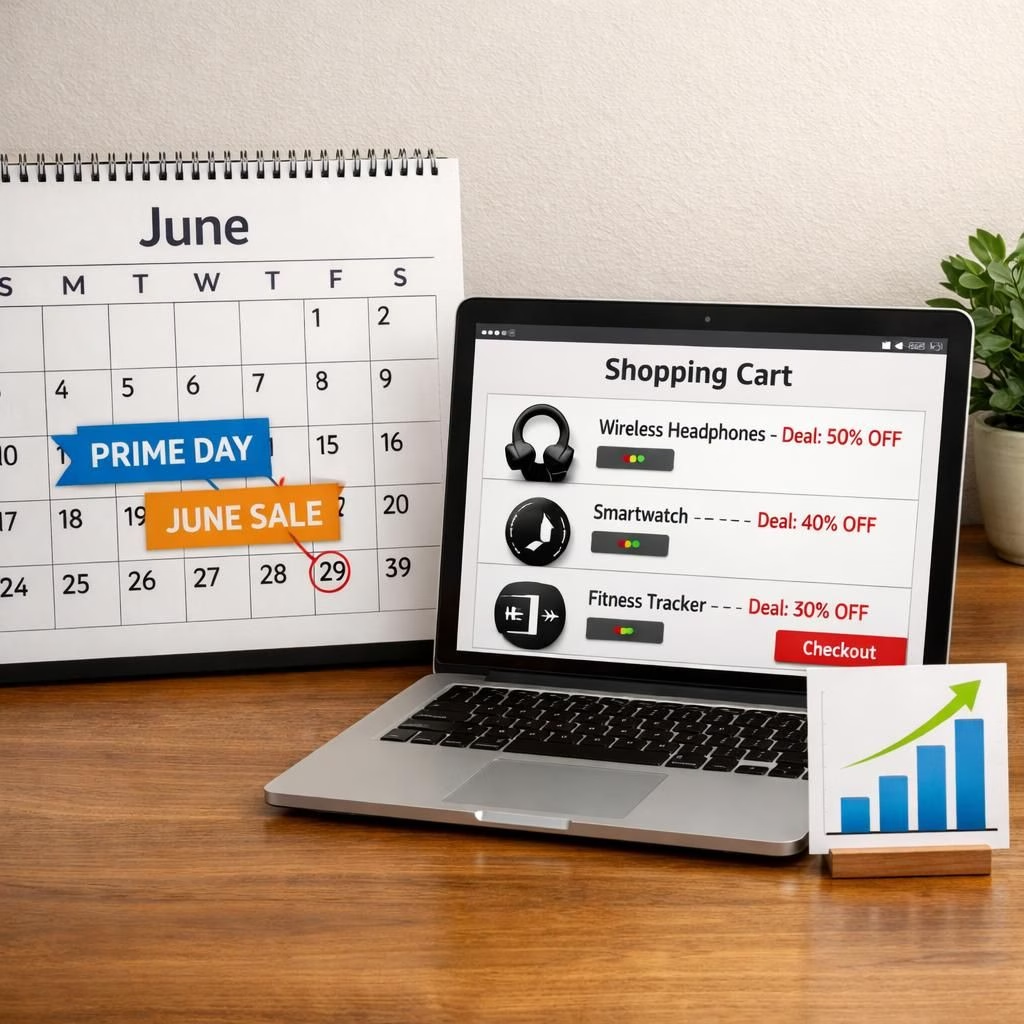
PrimeDay and Tag B are the two big names this year as Amazon nudges its calendar into the summer. The plan to move PrimeDay to June, according to Bloomberg’s sources, isn’t a prank; it’s a strategic tweak designed to smooth earnings reporting and test consumer appetite for summer savings. Since PrimeDay began in 2015, Amazon has used this event to lure new Prime members who value shipping speed and streaming perks; now the calendar shift could stretch the discount window and alter when shoppers click add to cart the most.
PrimeDay JuneSale timing explained
Bloomberg’s note highlights that shifting PrimeDay to a June window could affect quarterly reporting. If PrimeDay sales land in Q2 instead of Q3, finance teams and vendors adjust revenue recognition and supply planning. For retailers, the question is not chaos but optimization: can a Tag B window capture early summer demand without cannibalizing autumn shopping momentum? The answer appears to be yes, especially when the Tag B window is long enough for consumers to gauge value and for sellers to stage bundles and loyalty incentives under the Tag B umbrella. The Tag B alignment could help coordinate offers across categories like electronics, fashion, and home goods.
In practice, the Tag BMove also gives brands a chance to unify messaging across categories—electronics, fashion, home goods—while keeping a single storyline about summer savings. The shift might also help Amazon and its third-party partners spread workloads more evenly, lowering fulfillment stress and reducing last-minute stockouts. All in all, the Tag B timing could be a calculated improvement rather than a calendar caprice.
Analysts see this as a signal that the calendar is malleable and that retailers like Amazon prefer to guide shoppers with clear rivers of deals rather than surprise torrents. The result, if executed well, is a smoother consumer journey: more time to consider, more opportunities to commit, and more data to refine future promotions for 2026 and beyond. For broader timing lessons in tech, see Apple WWDC 2025 timing. For perspective on how timing shifts affect major product launches, check out iPhone release timing changes for 2026.
PrimeDay JuneSale impact on shoppers
For shoppers, the Tag B shift is a gift: more days to hunt for deals, less pressure to buy on impulse, and more time to assemble back-to-school lists. The extended window can also dampen price anxiety because you can watch a price trend across days, stack coupons, and compare bundles across retailers. If your plan includes a mid-summer vacation, the timing may align with travel gear deals and summer essentials, making the entire experience feel less frantic and more purposeful.
For vendors and third-party sellers, the longer window offers better inventory forecasting, more room for A/B testing, and opportunities to tell a consistent story across devices and geographies. When Tag B and Tag B align, brand messages can ride a shared theme—summer savings—without feeling rushed. The net effect could be higher conversion rates and stronger gross merchandise volume for the ecosystem as a whole.
Retail partners are already mapping their calendars. Overlaps with Walmart’s promotions, Target’s seasonal offers, and India’s Flipkart Big Billion Day add layers of complexity but also potential cross-market learnings. The Tag B window gives them more data points to optimize pricing strategies, logistics, and customer loyalty programs. In short, it’s a win-win for strategic marketers and careful shoppers alike.
What does this mean for the rest of 2026? The PrimeDay Tag B dynamics remind us that retailers are continually tweaking timing to align discounts with households’ calendars and wallets. If you’re planning a summer shopping spree, keep an eye on both PrimeDay and Tag B offers, and remember to compare prices across retailers to snag the best bundle. Please share your thoughts in the comments below. Special thanks to Bloomberg for the original reporting on Prime Day timing. Bloomberg.
Practical steps for navigating the potential June window include making a short list of must-haves, setting price alerts, and tracking price movements across several days to separate real deals from temporary price dips. See also a related look at tech timing: Apple WWDC 2025 timing and iPhone release timing changes for 2026, plus Apple TV 4K launch timing for broader context.
Practical tips for shoppers during PrimeDay and JuneSale
- Set a wishlist and price-watch alerts for the items you want most.
- Track price trends over several days to spot genuine deals within the JuneSale window.
- Use available bundles and loyalty programs to maximize savings across electronics, fashion, and home goods.
FAQ about PrimeDay and JuneSale
- Is PrimeDay moving to June confirmed? The reports point to a Bloomberg briefing; Amazon has not officially confirmed the change as of this writing.
- Will the timing shift affect Prime membership growth? It could extend the discount season and boost early-year engagement, but actual impact depends on execution and marketing.
- How should shoppers plan? Build lists, compare prices across retailers, and watch price trends over multiple days to maximize savings.
- Where can I find official updates? Check Bloomberg’s reporting and Amazon’s announcements for confirmed dates.
In sum, a potential June shift for PrimeDay could smooth logistics and extend consumer decision time, which benefits both shoppers and vendors when executed well. Stay tuned for official confirmation and plan to compare prices across outlets to maximize the JuneSale window.
References
- Times of India: After 10 years, Amazon may make a big change to its biggest sale of the year
- Bloomberg
- Adobe Digital Economy Index