

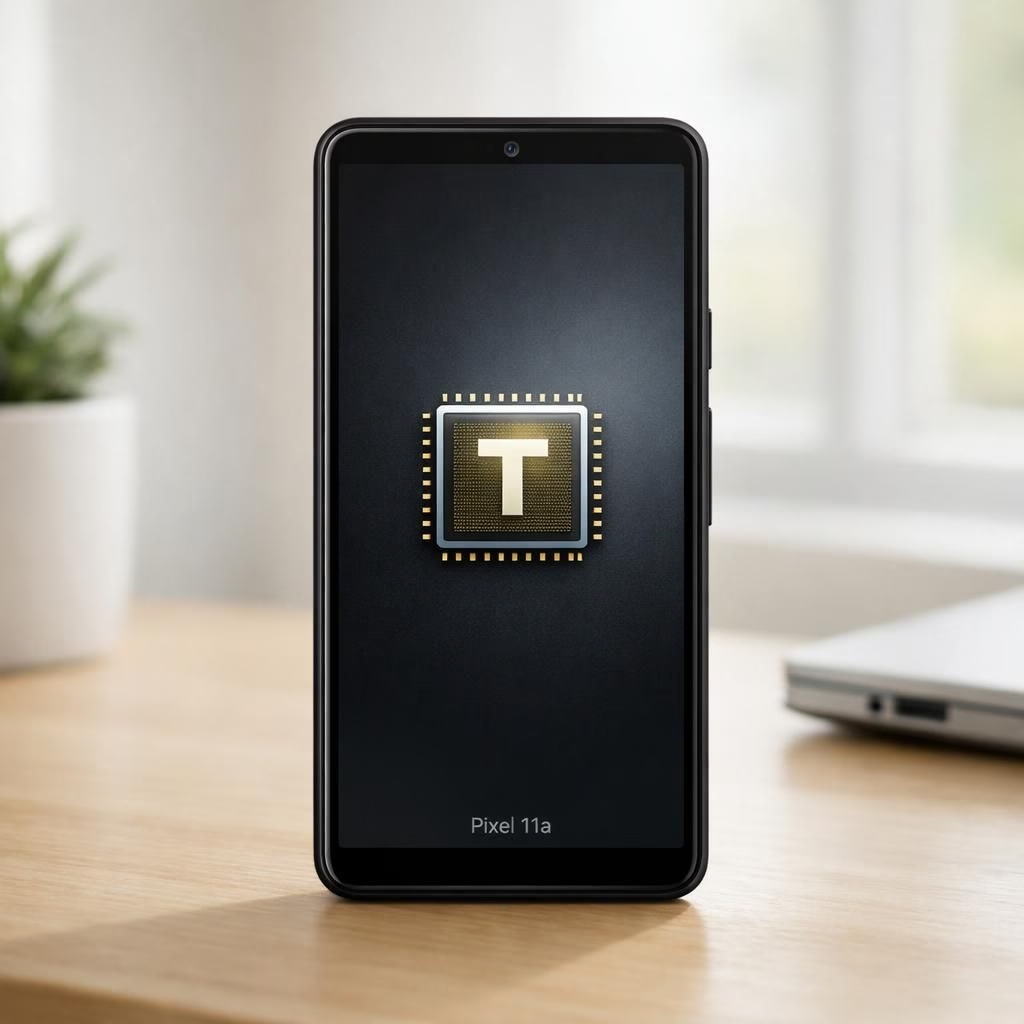
Pixel 11a fans, rejoice. In 2026, the Pixel 11a returns with the Tensor G6, a pairing that aims to deliver efficiency and speed without a price hike. The Pixel 11a’s new companion chip targets battery drain and signal quirks while preserving Google’s clean software experience.
Pixel 11a and Tensor G6: A smarter 2026 Pixel lineup
The silicon upgrade signals a refined balance between power and stamina. The pairing uses the Tensor G6, a newer processing core that should lift frame rates in everyday apps and casual games. The Pixel 11a benefits from smoother scrolling and snappier app launches as a result. On the modem side, this generation moves away from Samsung’s Exynos and uses a MediaTek M90 modem. The practical takeaway is simple: fewer battery-hungry handshakes with networks, better standby, and less heat when navigating maps or streaming video during commutes. For Pixel 11a, it’s a more confident everyday companion with less friction during long rides or meetings.
The Pixel 11a display remains a 6.3-inch panel with a 1080 x 2424 resolution and a dynamic 60 to 120 Hz refresh rate. The brightness upgrade is the headline: up to 3,350 nits at peak, a clear step up from 3,000 nits in the prior generation. Outdoors on bright days, with Pixel 11a you’ll see clearer content and less glare. The improved efficiency means you can enjoy brighter visuals without sacrificing battery life to a heroic degree. It’s not magic, but it is a nice blend of hardware tuning and software optimization that makes everyday tasks feel effortless.
Pixel 11a and Tensor G6: practical outcomes for users
From a user perspective, the pairing respects Google’s design philosophy: clean software, timely updates, and a smartphone that doesn’t shout about every boost it receives. The brighter display translates to clearer photos and better HDR performance, while the refined internals deliver smoother app transitions and more reliable connectivity. This is not about chasing bragging rights; it’s about delivering steady performance with good battery life in a compact package. The result is a dependable daily driver that balances performance with value. No gimmicks, just practical improvements you can actually notice in daily use.
There are caveats, of course. A slightly smaller battery could still be acceptable if the efficiency improvements prove real. Real-world differences hinge on software optimization, app behavior, and how aggressively background tasks are managed. If you’re a power user who runs many apps in the background, you might notice the efficiency gains a notch more; if you’re a casual user, you might simply enjoy longer intervals between charges and fewer wakeups from the modem. The 6.3-inch display remains a delight for most, with brightness making HDR content readable even in daylight, and the 60–120 Hz range keeps navigation feeling smooth without wasteful energy use. You’ll notice this more when you sprint through maps or video streams on a commute than when you casually check a notification.
Voice assistants, camera software, and daily photo-taking will still hinge on Google’s software stack, but the hardware pairing removes some of the most persistent quirks seen in earlier Tensor generations. Pixel 11a and Tensor G6 stand as a tested duo that prioritizes efficiency, reliable connectivity, and a friendly price-to-performance ratio. The goal is simple: fewer tradeoffs, more daily joy, and a phone that respects your time and your budget.
Share your thoughts below: how do you think this Pixel pairing stacks up against rivals, and do you expect it to last you a full two-year update cycle? Your feedback matters to us in the comments.
Original article: Thank you to the original article for the source material.
How to get the most from Pixel 11a with Tensor G6
- Enable adaptive refresh rate and battery saver as needed to balance visuals and battery life.
- Test network stability to understand how the new modem performs in your daily routes.
- Keep your device updated to receive the latest optimizations for efficiency.