

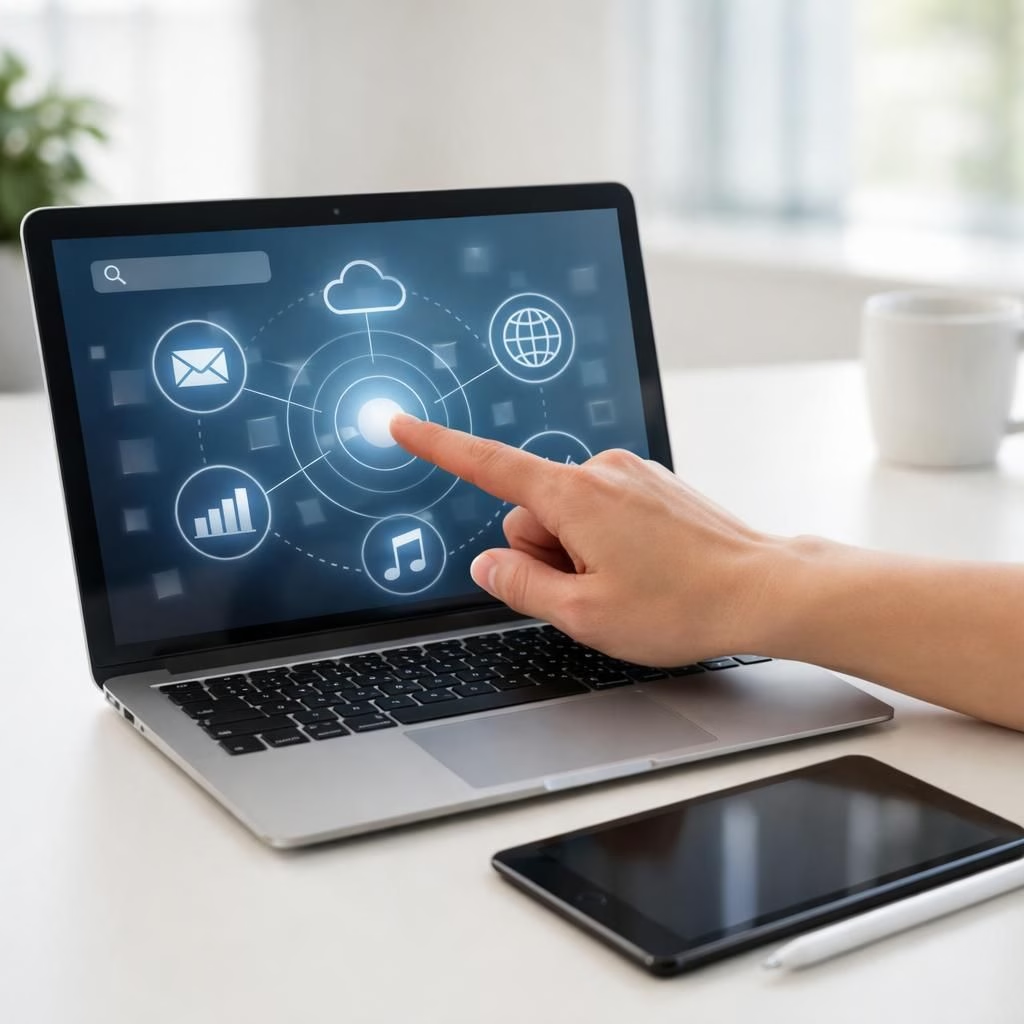
MacBook fans have long flirted with the idea of a touchscreen future, and in 2026 the chatter feels less like fan fiction and more like a pragmatic roadmap. Tag B as a platform has evolved in ways that invite touchscreen experiments without discarding keyboard and trackpad muscle memory. The latest round of rumors threads together talk of a touchscreen MacBook, Sidecar-inspired input experiments, and bold OLED notebook forecasts into a single, optimistic image of what might be.
MacBook Moments with macOS Magic
MacBook fans have long imagined how a touchscreen could sit alongside a traditional keyboard. On the rumor front, a well-placed tipster floated the claim that a new MacBook is 100% confirmed to receive a touchscreen. The phrasing sounds confident, but we all know confirmations can wobble until metal meets the keyboard. Still, the prospect matters because it signals a persistent curiosity about how Mac users want to interact with their computers. A touchscreen could ride alongside a traditional keyboard, activated by a user toggle or a smart dock, letting artists sketch in a hurry and developers navigate diagrams without breaking the flow. The idea isn’t about replacing the classic control scheme; it’s about offering a flexible option for when your task benefits from a touch-friendly canvas.
Touchscreen Talk: MacBook Dreams and macOS Reality
Another thread suggests Sidecar-like ideas could mature into a full, native touch interface for Tag B 27. Think a more finger-friendly macOS with gestures that feel natural on a 12- to 15-inch screen, plus the option to map hardware keys to touch shortcuts. The beauty of such design is not a fantasy about constant tapping; it’s a flexible workflow: you can switch between trackpad precision, keyboard shortcuts, and touch input depending on the task. For creators, this could translate into a canvas that becomes as responsive as your pen or finger, while for engineers, precise editing remains a keyboard-first habit. The concept still respects Tag B’s desktop heritage while inviting a friendlier, more tactile side when you want it.
Meanwhile, the OLED outlook adds a different glow to the party. Market watcher Omdia forecasts that OLED display demand for notebook PCs will climb to about $11.5 billion by 2033. The signal here isn’t just color pop; it’s resilience, power efficiency, and thinner panels that can sustain brighter HDR work. If notebook makers lean into high-contrast screens, the user experience could justify bolder touch gestures, better pen input, and less eye strain during long sessions. The intersection of vibrant panels and interactive input hints at devices that feel both modern and comfortable to use for hours on end.
Letem světem Applem captured a striking line about Tag B control via iPad, describing it as breaking the biggest taboo after seven years. The idea is to let iPad function as an honest-to-goodness control surface for macOS, perhaps through a native app or a deeply integrated Sidecar-like mode. If this ever lands, the iPad would feel less like a second screen and more like a dedicated control panel you carry around. The naturalness of such a workflow hinges on latency, gesture parity, and the ability to reuse familiar shortcuts across devices. The broader takeaway is not a single feature release but a push toward a more seamless, cross-device cadence that keeps workflows fluid rather than fragmented.
MacRumors pointed to hints of a ‘MacBook Ultra’ appearing in three different directions. Some sketches suggest a premium chassis with a high-end display, others imply a performance-focused model that could rival Pro-level machines, and a third line imagines a hardware refresh that brings new thermal design and battery magic. Whether these hints materialize remains to be seen, but they show how tech press is stitching together plausible narratives from small clues. The takeaway is not that a single device is imminent, but that Apple is experimenting with form, input methods, and performance envelopes that could redefine what a portable Mac feels like in 2026. This kind of storytelling helps users imagine a future where a MacBook isn’t just a tool, but a versatile partner across work styles.
Taken together, these stories paint a picture of an ecosystem that wants to blur lines rather than redraw them. A touchscreen MacBook does not replace the keyboard; it complements it. Tag B remains the anchor for productivity, while touch adds precision when drawing, annotating, or rapid navigation through a sea of windows. OLED panels and Sidecar-style patterns promise a more cohesive cross-device experience rather than a single hero product. In practice, we should expect a cautious rollout: perhaps a selective feature in a beta, followed by refinements in a later iteration, followed by a broader option if the user base signals demand. The point is to watch for a philosophy of incremental improvements that respects both new input methods and established workflows.
Practical takeaways and a fun forecast. First, the rumored features may appear as optional toggles rather than universal defaults, especially for professional users who rely on precise pointer control. Second, Tag B—driven input concepts seem aimed at fluid interaction that respects both the tactile joy of macOS and the click of a physical keyboard. Third, if OLED panels rise in notebook laptops, we could see longer battery life and brighter colors, which in turn might influence design language across the lineup. Finally, the possibility of iPad-based Tag B control raises the question: will our desk setups resemble a tiny control room, or will the ecosystem gently nudge us toward more seamless, multi-device workflows? Either way, the narrative is winning hearts by offering a more tactile, fluid path to Mac productivity.
Original source and thanks: 9to5Mac: Leaker says new MacBook is ‘100% confirmed’ to get touchscreen. Special thanks to the original reporters for their thoughtful coverage.
Practical guidance for readers
- Expect features to appear as optional toggles rather than blanket defaults, especially for pros who rely on precise input.
- Keep an eye on cross-device workflows that blend Tag B input with traditional keyboard shortcuts.
- OLED notebook panels could bring longer battery life and vibrant visuals, influencing future device design.
FAQ
- Will Apple release a touchscreen MacBook?
Official confirmation hasn’t arrived, but rumors point toward a possible touchscreen option that complements existing controls rather than replacing them. - How would touch work with macOS?
The idea is a hybrid workflow: switch between touch, keyboard shortcuts, and trackpad as tasks demand, with latency kept in check for a smooth experience. - Could iPad control macOS become mainstream?
If latency and gesture parity are solved, a native or deeply integrated option could make iPad feel like a dedicated Mac control surface rather than a second screen.
Conclusion
In 2026, the notion of a touchscreen MacBook sits at the intersection of curiosity and practicality. The story isn’t about a single device arriving overnight; it’s about a cautious, multi-year evolution that respects established workflows while exploring new input methods. If the industry leans into OLED panels and cross-device control, the result could be a more tactile, flexible Mac ecosystem that still honors the keyboard-driven productivity many users value.
References
- 9to5Mac: Leaker says new MacBook is ‘100% confirmed’ to get touchscreen
- Omdia: OLED display outlook for notebook PCs
- MacRumors