

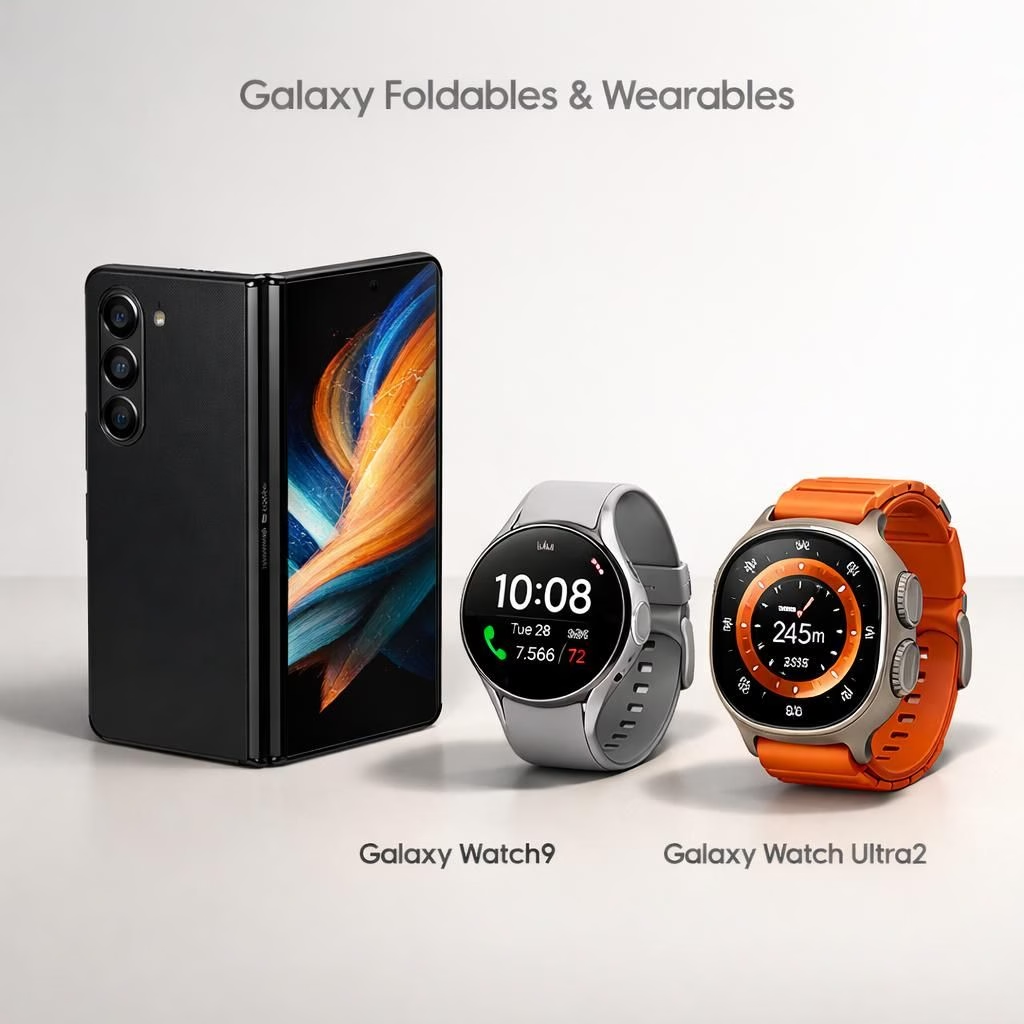
In a move that feels like a well-timed summer sprint, Samsung rolled out its Galaxy Foldables lineup along with a refreshed Wearables family. The Galaxy Foldables trio—the Z Fold 8 Ultra, Z Fold 8, and Z Flip 8—dominate the stage, while the Wearables side brings the Galaxy Watch 9 and Watch Ultra 2 into sharper relief. The message is clear: Samsung is leaning into thin, strong engineering and AI smarts just when the internet is ready for both convenience and bragging rights.
All three Galaxy Foldables run on the Snapdragon 8 Elite Gen 5 for Galaxy, pairing with base configurations of 12 GB RAM and either 256 GB or 512 GB of storage. The Fold 8 family also has a 16 GB RAM option with 1 TB storage in the two higher-end configurations. Camera sensors show 10 MP selfie sensors on all phones, with 4K video at 60 fps support for the Flip 8 and the folded covers on the Fold 8 models. The main selfie cam on the Fold 8 models can handle FHD footage at 60 fps as well. In practical terms, this means versatile selfies for creators who want to look their best during video calls and quick vlogs.
Samsung touts Flex Titanium as the backbone of the new devices. The tech is described as a titanium alloy layer underneath the flexible OLED, not a single rigid plate behind the display. The company claims Flex Titanium strengthens display support, absorbs pressure and impact, and reduces crease visibility while keeping the device feeling smooth to open. The result is a premium, confident feel in daily use. Galaxy Foldables are thinner and more robust today, and the engineering team deserves a nod for the careful balance.
Qi 2 charging remains non-native on these devices. Samsung still requires a compatible case with magnets to unlock the best Qi2 charging experience. The situation is a small quirk in an otherwise modern charging narrative, and it’s a gentle reminder that wireless ecosystems still have a few quirks to work out. For true Qi2 fans, this is a minor caveat in an otherwise glossy launch.
Galaxy Foldables: Design, AI, and the Titanium Touch
On price, Samsung kicks off with the Galaxy Z Fold 8 Ultra at 2100 dollars. That’s a modest step up from last year’s Fold 7, and Samsung makes the case with a 6.5-inch exterior display and an 8-inch internal display, both with 120 Hz refresh rates. The Ultra weighs 215 grams and is 4.1 mm thick when open, plus it ships with a cooling system that keeps heat manageable in demanding tasks.
The Galaxy Z Fold 8 starts at 1900 dollars. It sports a slightly smaller 7.6-inch inner display and a 5.5-inch exterior panel. It’s lighter by a few grams and features a 4:3 interior aspect when open. Its 4,800 mAh battery is a touch bigger than the Fold 7’s, and it supports Super Fast Charging 2.0 and Super Fast Wireless Charging. The Fold 8 forgoes a dedicated telephoto lens in favor of a strong 50 MP main sensor plus a 50 MP ultrawide, offering up to 10x digital zoom and 8K video at 30 fps. It’s a wide machine in more ways than one.
Meanwhile, the Galaxy Flip 8 brings a compact clamshell option. It offers a 4.1-inch exterior display and a 6.9-inch interior display with a 120 Hz refresh rate. The camera array packs a 50 MP main sensor and a 12 MP ultrawide, with modest 4K 60 fps video. The Flip 8 starts at 1200 dollars, positioning it as a value-forward, pocket-friendly option in the Galaxy Foldables family. It weighs about 180 grams and stays easy to carry while still delivering flagship vibes.
As a practical note, the AI push comes from Gemini Intelligence, embedded in the foldables. The new Gemini Notebook sits on the devices, and Google promises a six-month trial of Google AI Pro alongside an Android 17 refresh that makes switching from iPhone easier via QR codes. A new Fan Cam feature in the video editor helps recrop around a chosen person while they move, keeping them centered even in fast action. In short, the software side now feels as exciting as the hardware.
Wearables: Health, AI, and Battery Brilliance
The Galaxy Watch 9 and Watch Ultra 2 bring notable improvements to health tracking and battery life. The Watch 9’s 390 mAh cell is a solid bump from the Watch 8, and the display can reach up to 3000 nits of brightness for outdoor use. The Watch Ultra 2 advertises a 800 mAh battery and a brighter display—up to 5000 nits in certain brightness modes—while still maintaining a thinner titanium-like casing that’s 12 percent slimmer than its predecessor. The bands on both watches shrink for a lighter, softer wear, keeping the devices comfortable for long days and long hikes. The Wearables lineup now supports a health-focused suite called Health Assistant, which tracks vital stats and delivers actionable insights. It also offers Strava and iFit trials for 60 and 2 months respectively, to sweeten the wellness pot for active users.
The Wearables lineup is clearly built around AI-powered health monitoring, with a Vitals function that tracks heart rate and blood oxygen while you sleep. The system alerts you if your numbers drift from your baseline. The company positions these as not just gadgets but companions for everyday health decisions. The Watch Ultra 2 adds diving capabilities with an IP69K rating and a robust shell that remains comfortable on the wrist. The Wearables design language emphasizes thinner, lighter hardware, while keeping the durability you expect from a rugged lifestyle watch.
The Gemini integration extends across the Wearables as well. Simply raise your wrist and the assistant activates, ready to help with quick tasks, notes, or event reminders. The synergy between fashion and function is deliberate here; Samsung wants these Wearables to blend in yet stand out when you need them most. It’s not a gimmick if it makes daily routines smoother and more delightful.
In the glasses space, the AR teaser with Google, Warby Parker, and Gentle Monster remains aspirational for now. Samsung showed a refined design language and a more polished aesthetic, but pricing and release for the two glasses models are still to come. Battery life sits at about nine hours on a single charge, with a case that offers seven extra charges. The glasses run on the Snapdragon AR1 Gen 1 chipset, signaling Samsung’s willingness to venture into augmented reality without forcing users into a single ecosystem.
In parallel, Samsung also teased a Galaxy Card, a new credit card offering five percent cashback on select Samsung device purchases. It’s a tiny, clever touch in a landscape full of ecosystems vying for loyalty and wallet share. The Unpacked event leaves us with a crisp takeaway: the devices are compelling, and the software features offer real value, but the real test will be long-term reliability and how well the AI tools actually simplify daily life.
Pre-orders for all devices are live now, with ships slated for August 7. The price ladder starts with the Fold 8 Ultra at 2100, the Fold 8 at 1900, and the Flip 8 at 1200. The watches sit in a broad price range from 380 to 430 for Bluetooth/LTE variants of the Watch 9, and 700 for the Watch Ultra 2. The lineup signals Samsung’s willingness to offer both premium flagships and more accessible options in a single sweep, keeping the conversation lively through the late summer months. Galaxy Foldables keep getting thinner, lighter, and smarter; Wearables stay focused on health analytics and comfort, with AI at the core.
For now, the takeaway is crisp: a more capable, more connected Samsung lineup that seeks to be part of both daily productivity and weekend adventures. The brand leans on a refined design language and a toolkit of AI features that feel practical rather than gimmicky. The promises around battery life, camera versatility, and AR ambitions make this year’s Unpacked worth watching, even if you’re mostly a casual reader who enjoys a good gadget story.
Original article attribution: A heartfelt thank you to the creators of the original Samsung Unpacked coverage. Original article: https://www.engadget.com/2220316/everything-announced-at-samsung-unpacked-2026-check-out-the-company-s-latest-galaxy-foldables-and-watches/. We appreciate the thoughtful material that helped shape this rewrite.
What do you think? Share your thoughts in the comments below and join the conversation about Galaxy Foldables and Wearables in 2026.
References
- Engadget — Everything announced at Samsung Unpacked 2026
- Samsung Newsroom
- The Verge — Samsung Galaxy Foldables coverage