

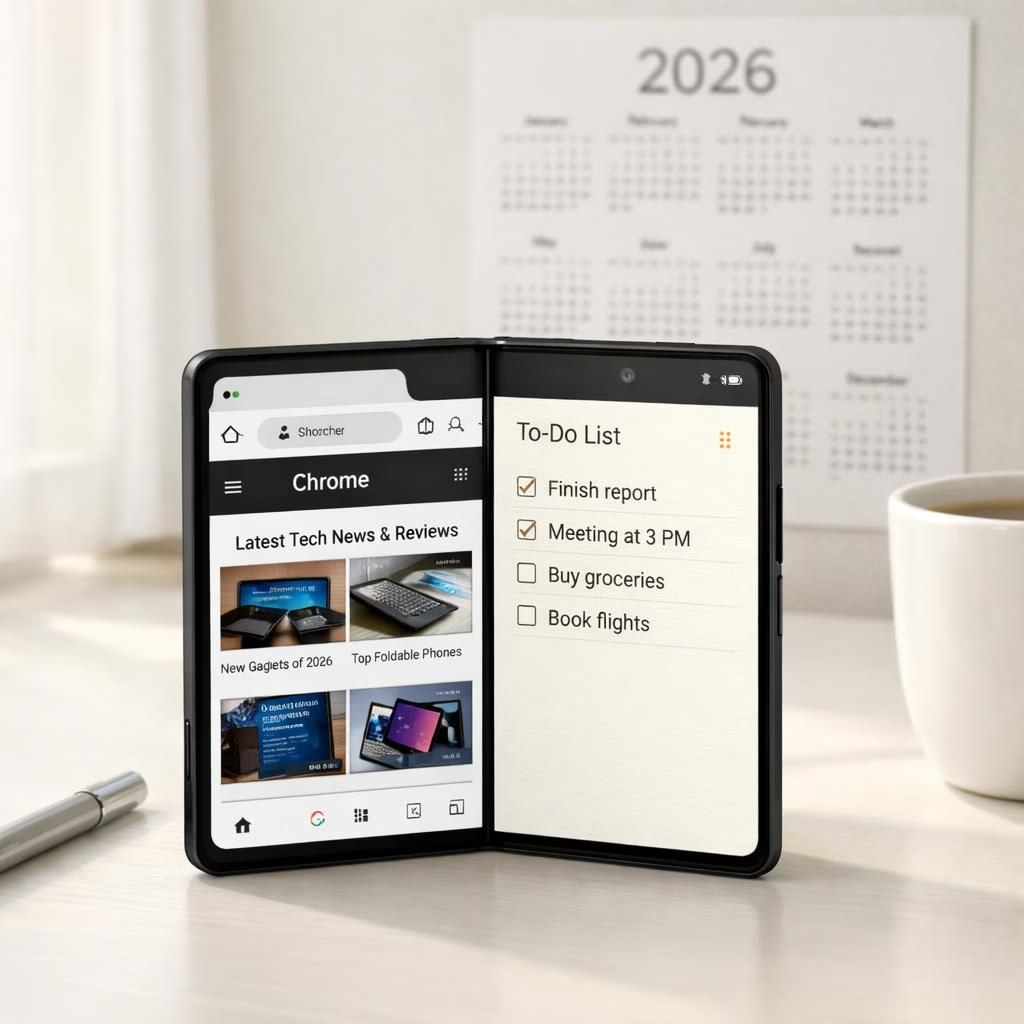
Samsung’s Galaxy Unpacked livestream teased a future where foldable displays and flex titanium shape everyday tech. The buzz comes from leaks, official posts, and a chorus of headlines around Z Fold 8 and Z Flip 8 hitting our feeds in 2026. It’s a cheerful mix of hype and practical design, with a wink about real users gripping these devices in 2026.
foldable displays: 2026’s lightweight evolution
In practice, foldable displays are moving from novelty to practical tools. The improvements focus on hinge durability, screen brightness, scan-free creases, and smoother software transitions. If you trust reviewers, the new panels bend with less drama, and developers are finally learning to design for two screens at once. The result is a more credible everyday device rather than a museum piece you only pull out for the weekend.
Coverage across outlets highlights larger canvases that don’t dominate your pockets, and multitasking that actually feels natural. Is it a revolution? Not exactly. Is it a pragmatic upgrade that helps you work and play without fuss? Yes, and that matters in 2026 when mobile life often blurs with the desktop.
flex titanium: the metal backbone of next-gen foldables
On the metal side, flex titanium emerges as a durable backbone for the newer foldables. The idea is to resist scratches, reduce weight, and keep frames rigid under daily negotiation with pockets, bags, and accidental drops. The phrase flex titanium is more than a marketing line here; it signals hinge integrity and long-term performance. When designers talk about this material, they discuss confidence: you can fold, unfold, and still feel safe about the device lasting.
Even hands-on previews describe devices with a sturdier feel without sacrificing a slim profile. The trick is clever engineering: reinforced corners, tighter tolerances, and a chassis that accommodates a fragile-looking display without cramping its flexibility. The payoff is a foldable that behaves more like a premium gadget and less like a prop from a sci-fi film.
Beyond hardware, software matters. The best foldables pair adaptive UI with smart power management so the screen can split into two apps without draining the battery. This is the kind of progress that makes foldables credible work companions, not just flashy toys powered by hype. When flex titanium meets thoughtful software, you get both resilience and premium usability.
From a consumer lens, the romance of foldable displays evolves when you couple it with a sturdy frame—courtesy of flex titanium. The combination promises devices that feel ready for real life: open in meetings, then tucked away for transit, then opened again without drama. The benefit is a device that supports your routine rather than forcing a new one just to accommodate its quirks.
In the 2026 ecosystem, these advances unlock new workflows, from on-the-go productivity to creative experiments on a single, flexible canvas. The promise hinges on foldable displays delivering real advantages and flex titanium providing the durability to match. It’s the kind of progress that makes premium tech feel accessible, without pretending it’s invincible.
If you’re comparing options, think about usage scenarios: reading and annotating long PDFs on one panel, jotting ideas on the other, and catching a video in crisp brightness during a commute. The pairing of foldable displays and durable frames makes this practical vision plausible rather than fanciful. It’s not just a trend; it’s a signal that devices can adapt to your day rather than force you to adapt to them.
Thanks to the outlets covering Unpacked—CNET, Samsung Global Newsroom, TechRepublic, 9to5Google, and GSMArena—the conversation spans forecasts, hands-on impressions, and cautionary notes about pricing and availability. The result is a well-rounded view of what this hardware might become in real life with 2026 as the testing ground.
Original article: CNET: Samsung Galaxy Unpacked Live coverage. Special thanks to the writers and editors who sparked this discussion with their reporting.
If you enjoyed this take, I’d love to hear your thoughts. Share them in the comments below.
Practical workflows with foldable displays
- Open a long PDF on one panel while taking notes on the other for quick review.
- Watch a video on one side while keeping chat or emails on the other.
- Annotate documents with a stylus while keeping your calendar visible.
As these devices continue to mature, the flex titanium backbone remains central to reliability. A sturdy frame and precise tolerances keep the display safe during daily commuting and accidental bumps.
FAQ
- Do foldable displays ruin battery life?
Battery life depends on usage. In practice, software optimization and adaptive displays help manage power efficiently.
- Is flex titanium really stronger?
Flex titanium aims to improve durability, but all devices benefit from careful handling and official durability ratings.
- When will the Z Fold 8 and Z Flip 8 be available?
Availability depends on region, pricing, and carrier plans discussed during Unpacked coverage.
External context: Samsung’s foldable tech story continues across major outlets. See official coverage from Samsung Global Newsroom, plus reactions at The Verge and Engadget.