

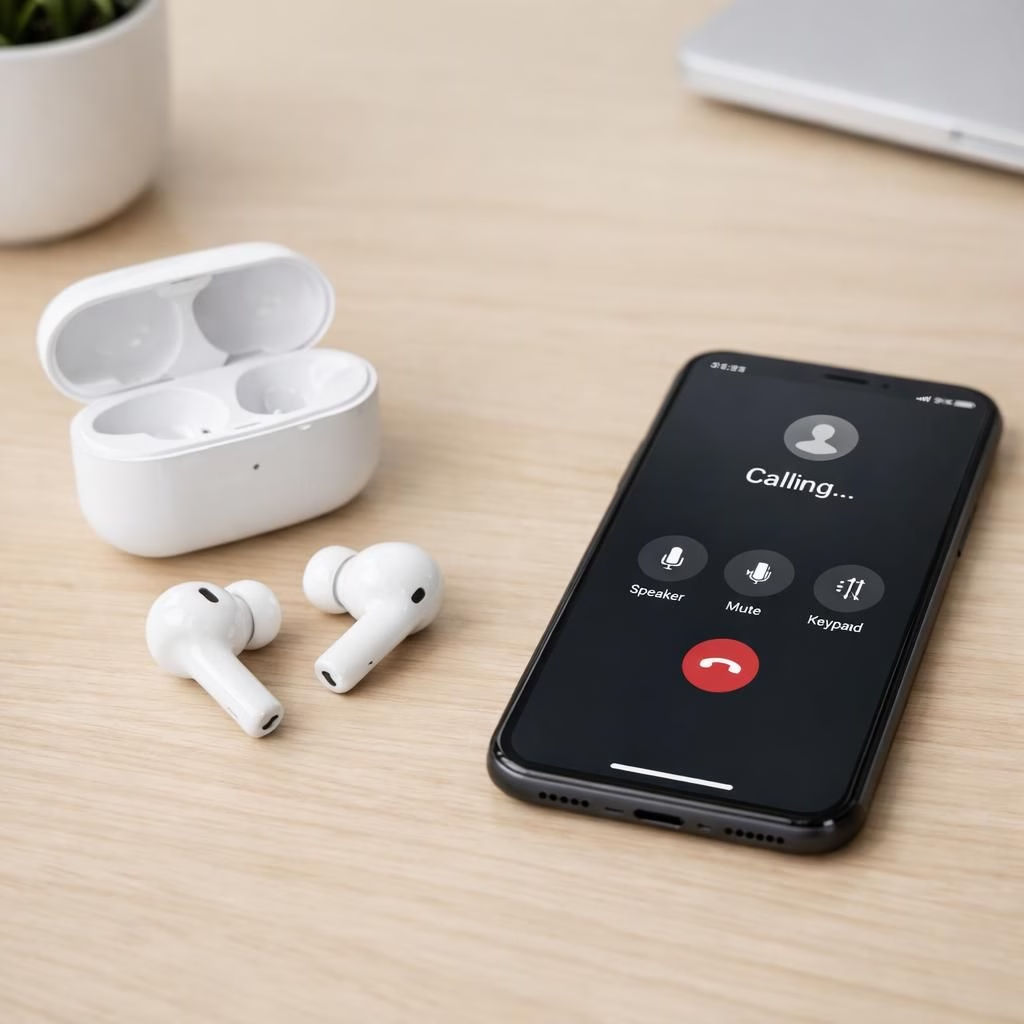
Clear audio during calls with earphones is the secret sauce of modern life. Whether you’re dialling into a 9 a.m. standup, catching up with family, or negotiating in a noisy cafe, reliable call quality can save you from the never-ending “what did you say?” loop. In 2026, the best earphones for calls pair comfy design with robust microphones, smarter noise handling, and stable wireless links that boost call quality. The result? Crisp voices, fewer repeats, and conversations that actually flow.
Earphones and call quality: smart picks for 2026
We ranked a range of models that balance voice performance with comfort. Each pick aims to improve call quality while staying easy to wear for a long day. For the frequent caller who hops from home to office without missing a beat, a solid multipoint connection and an effective mic array matter more than the flashiest DSP. Here are some standout options that earn their keep in real life.
- Sony WF-C510 — Compact, light, and tuned for vocal clarity. The mic array helps you sound natural in calls, while multipoint Bluetooth lets you switch between laptop and phone without a hiccup. Battery life holds up for a standard workday, and the Sony Headphones app offers quick EQ tweaks. Some users report occasional battery drift or spotty connectivity in crowded wireless environments, but most days the earphones perform reliably for call quality.
- Samsung Galaxy Buds Core — Budget-friendly with Active Noise Cancellation and AI features that help with call quality. Quick pairing with Samsung devices and a snug fit keep comfort high for long call quality sessions. Battery life is decent for daily use; a few testers note inconsistent sound reproduction or occasional Bluetooth hiccups affecting call quality.
- JBL Wave Flex 2 — An approachable option with a simple design. Comfort is solid, but noise isolation is limited, which can dip call quality in busy settings. Sound is adequate, though bass may be underwhelming for some. Many buyers mention durability concerns in the long run.
- JBL Live Beam 3 — Premium buds with strong noise cancellation and a touchscreen charging case. Clear highs and balanced mids help voices cut through the mix, and multipoint connectivity keeps your call quality flowing across devices. Some users report durability worries and case-screen quirks in hard use scenarios.
- OnePlus Buds Pro 3 — A top-tier option with dual drivers delivering controlled bass and crisp vocals. Spatial audio adds immersion on compatible devices, and the ANC keeps out background chatter. Seamless pairing with OnePlus devices is a real time-saver. A few testers note fit issues and occasional hardware quirks with extended use, which can affect call quality.
Why earphones win on call quality in daily life
Beyond specs, real-world performance matters. A headset that feels comfortable, seals well, and stays connected will outperform flashy gear that sounds amazing but drops call quality during important moments. Earphones with multiple microphones and smart noise suppression help isolate your voice, so you don’t have to repeat yourself during meetings or family chats. In practice, that means fewer “am I audible?” moments and more productive conversations.
Other notable players include Samsung Galaxy Buds 3, JBL Tune Beam 2, OnePlus Buds 4, realme Buds Air 8, Huawei FreeBuds SE 2, and more. Each option has a niche: some excel at AI-assisted voice features, others shine with battery life or rugged multipoint reliability. When you compare, look for a good microphone array, effective noise control (both passive and active), and rock-solid Bluetooth stability. call quality tends to disappoint when earphones chase bass at the cost of fidelity in real-world calls.
Buying tip: microphone quality, noise isolation, connectivity, fit, and battery life all influence call quality. If you work in a windy street or a bustling cafe, seek a model with a beefy mic array and dependable ANC that won’t muffle your words. Multipoint pairing that remains stable across devices is a real productivity booster for call quality during cross-device workflows.
What makes earphones suitable for voice calls?
Earphones intended for calls usually come with improved microphone arrays and noise reduction software to keep your voice clear. This isn’t about being loud; it’s about staying intelligible when the world around you roars. The best earphones combine precise microphone pickup with on-device processing to reduce ambient noise, preserve natural tone, and deliver reliable call quality in busy environments.
Are wireless earphones reliable for calls? In most cases, yes. Modern wireless earphones offer stable Bluetooth connections and dedicated call features like environmental noise reduction. Pair them with a modern phone, and you’ll enjoy long days of calls without frequent recharging. Some models also use wind noise suppression for outdoor conversations, which further enhances call quality in open-air settings.
Bottom line: top features to prioritize
To optimize call quality, look for a strong microphone array, capable noise cancellation, stable wireless connections, comfortable fit, and solid battery life. Real-world tests show that two or more mics tend to yield the cleanest voice capture while cancelling ambient sounds. A well-tuned EQ helps, but the mic and signal processing do the heavy lifting for call quality.
As you shop, remember: the right earphones can turn a stressful call quality into a smooth conversation. Whether you’re joining a remote team meeting, catching up with a relative, or coordinating with colleagues, the goal remains simple: clear voice, minimal background noise, and comfortable wear for long days. If you have a favorite model for calls, or a tip to boost call quality in your environment, share your experience in the comments below to help others optimize call quality in real-world use.
External sources
For additional context on mic arrays and noise cancellation, see official product pages and credible tech publications: