

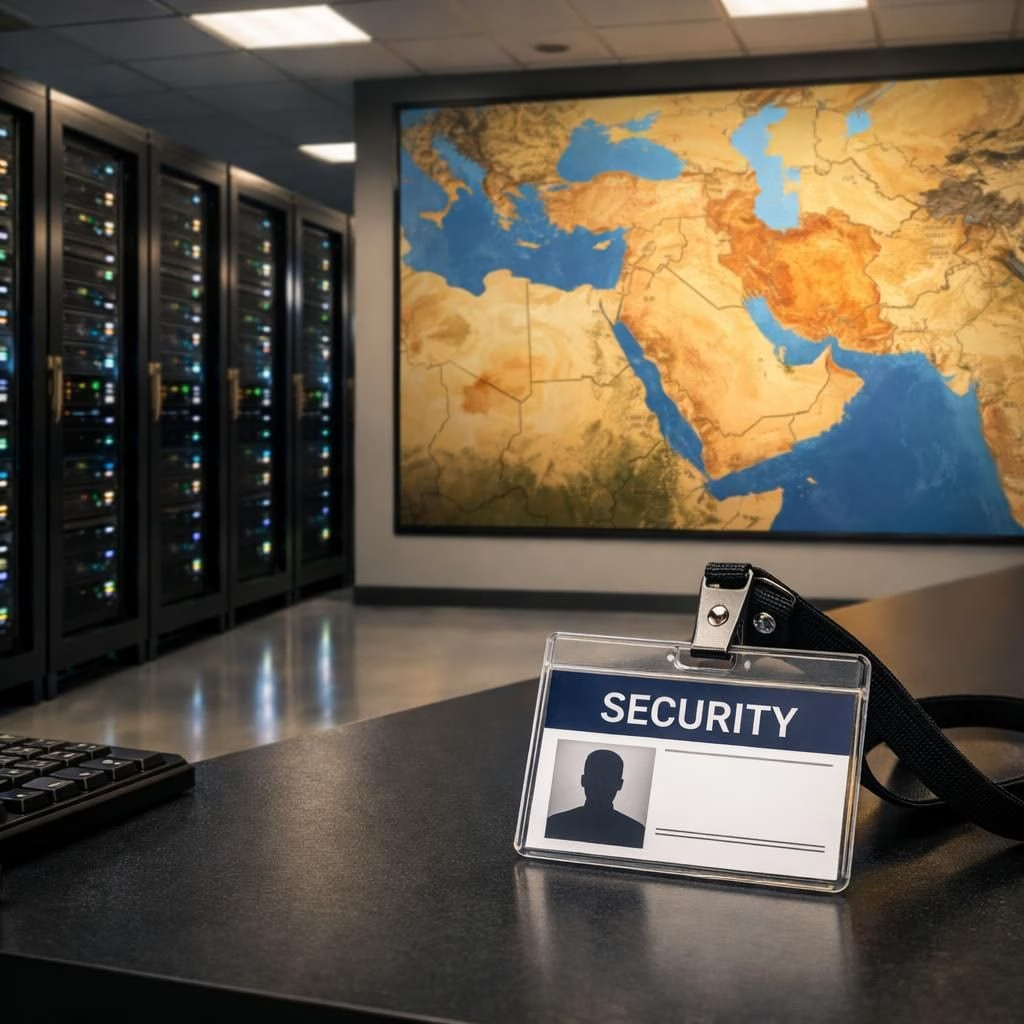
In 2026, Cybersecurity and Geopolitics intersect in surprising ways as Intel and its peers navigate warnings with pragmatic optimism. The IRGC warned that 18 US firms in the Middle East could be targets. Security teams did not shrink from the challenge,他们 recalibrated, briefed staff, and sharpened incident playbooks. Intel’s spokesman emphasized that safety and wellbeing come first, while facilities and supply chains stay closely monitored, with CNBC coverage noting the proactive stance.
Geopolitics and Corporate Diplomacy
Geopolitics in the background shapes every risk assessment and every boardroom decision. Gulf states attract AI infrastructure with cheap energy, vast land, and generous incentives. This is not mere noise; it is a real driver of strategy. Investors watch policy shifts, export controls, and cyber norms as Geopolitics becomes a compass for risk budgeting and partner selection.
Cybersecurity in Data Center Resilience
Cybersecurity underpins data centers powering AI in the Gulf and across borders. After earlier incidents, including attempts to disrupt AWS data centers in the region, operators learned to diversify redundancy. They simulated outages and improved cross-border coordination, guided by CISA incident-handling guidance. The big lesson is simple: reliability beats hype when you test it under pressure. Geopolitics and technology leaders alike, agree that resilience is a shared obligation that pays off with smoother services and lower anxiety for users.
Practical steps for Cybersecurity resilience
- Strengthen vendor risk management and insist on transparent incident reporting from key suppliers.
- Diversify data-center locations and test outages to prevent single points of failure.
- Invest in robust cloud architectures and zero-trust access controls across borders.
- Maintain open, honest communications with customers and partners about risks and mitigations.
FAQ
- What does the IRGC warning mean for US tech firms? It underscores the need for heightened security, staff training, and resilient operations in risk-prone regions.
- How should companies respond practically? Build strong playbooks, diversify supply chains, and keep regulators informed while maintaining transparency with users.
- What role do Gulf AI investments play? They amplify the strategic case for reliable, secure infrastructure and international collaboration under clear norms.
In the end, the blend of Cybersecurity and Geopolitics offers a blueprint for responsible growth. Keep data secure, protect people, and maintain open dialogue with regulators and peers. If you are building or investing in tech today, these principles translate into healthier cultures, better risk management, and a clearer path to sustainable innovation in 2026. We welcome your thoughts in the comments about how these forces shape technology policy and practice in the near future.
References:
- CNBC: Intel and IRGC threats to US tech firms. Link
- Times of India: Original source material. https://timesofindia.indiatimes.com/technology/tech-news/irans-threat-to-us-tech-firms-intel-becomes-first-company-to-respond-says-we-are-/articleshow/129956735.cms