

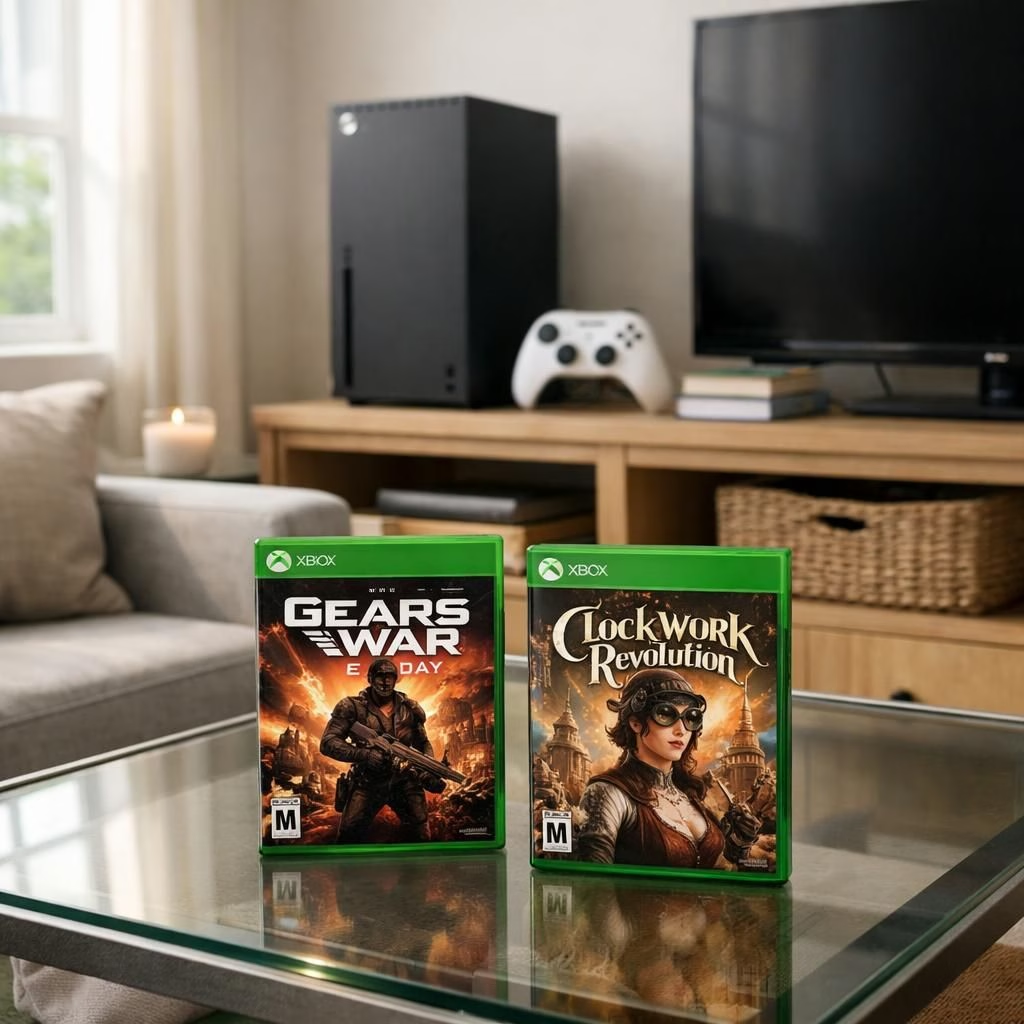
In 2026, Xbox pivots back toward console exclusivity, signaling a measured swagger after a challenging generation. The plan is to reinsert exclusivity into the core narrative and to build a reliable pipeline of first-party titles that give players a tangible reason to invest in hardware. The announcement centers on two flagship exclusives — Gears of War E Day and Clockwork Revolution — slotted as permanent anchors rather than a one-off experiment. Behind the scenes, the company carried out a sweeping restructure that trimmed roughly 3,200 jobs and rebalanced its first-party studios in a bid to stabilize development and reduce unclear bets. The results are still unfolding, but the message is clear: Xbox believes exclusivity, when paired with a solid live service ecosystem, can restore growth and trust with players. The company frames this pivot not as retreat, but as a disciplined reorientation toward durable, repeatable hits that justify the cost of entry for new hardware in 2026.
Xbox Exclusivity Strategy in 2026
Gears of War E Day ships on 6 October 2026 while Clockwork Revolution lands in 2027, both presented as permanent exclusives. The company previously pivoted to multiplatform, but leadership now argues that a healthy platform requires predictable, evergreen exclusivity alongside live-service titles. To be fair, some marquee franchises will stay multiplatform or cross platform, and Halo campaigns may arrive across platforms to maximize reach. The editorial line stresses that not every single game will go exclusivity, but a curated set will anchor the ecosystem. The numbers tell a brutal truth: among the 16 first-party titles developed for the Xbox Series X era, only Halo Infinite, Forza Motorsport, and Keeper were genuinely exclusive, and that list is about to grow. The key question is how much exclusivity Xbox is willing to take on while balancing partnerships, licensing deals, and the broader strategy to reach a billion fans across ecosystems.
Xbox Exclusivity and Partnerships: The Road Ahead
Live service and big-budget titles are not going away, but Xbox outlines a more selective approach. Call of Duty, Grounded 2, and Forza Horizon 6 will likely remain multiplatform, while single-player journeys such as Clockwork Revolution and Gears of War E Day will anchor the exclusivity strategy. That careful split aims to reassure partners and players that the ecosystem remains vibrant, even as exclusives strengthen the core community on Xbox hardware. The 2033 agreements around Call of Duty with Nintendo and PlayStation are a reminder that the company cannot simply snap its fingers and pull a preferred platform into the spotlight. The strategy leans into clarity and predictable releases, so players know when to expect what on their preferred device.
What This Means for Players
For players who love shared experiences and cross-platform play, Halo Campaign Evolved demonstrates the tension between exclusivity and accessibility. The remake lands across platforms, allowing friends on different machines to play together. The hope is that this inclusive approach grows reach while the best first-party experiences still live on Xbox hardware. The company also notes that some studios once part of Xbox Game Studios may continue to support multiplatform, while others will remain exclusives for the foreseeable future. In practice, this means that players who want a long-term home for the newest adventures must consider the trade-off between access and fidelity. The return to exclusivity also aims to stabilize development costs and pricing, especially as component costs rise and hardware inflation pushes price points higher.
Balancing Xbox Exclusivity with Broad Reach
The balancing act is not just about where a game ships, but how it lives after launch. Grounded 2 and the next State of Decay are examples of live-service initiatives that will continue to roam across platforms, expanding the audience while keeping Xbox fans engaged. Even as products move to non-Xbox platforms, the strategy remains that big live-service experiences will find the biggest audiences wherever they are, while a curated set of exclusivity serves as the platform’s crown jewels. Executives explain that the selection framework considers multiple factors including franchise lifetime value, development costs, and how a title fits into the wider ecosystem. The result should be a more predictable cadence: a reliable timetable for future exclusives that players can anticipate without feeling burned by a surprise pivot.
As a long-time observer, I see a platform whose leadership is trying to calibrate risk, cost, and payoff. The 2026 plan may feel messy or hybrid, but the ambition is real: to salvage momentum with flagship exclusivity while not destroying the cross-platform string that keeps communities together. The Helix project, a next-generation hardware strategy, remains in motion with hopes to let PC and Xbox libraries play nicely together. It is not a silver bullet, but it is a signal that Xbox intends to keep trying, with a focus on exclusivity not as a wedge but as a magnet for the faithful.
In the end, the verdict rests with players: will the push for exclusivity deliver more reasons to buy the console and stay loyal, or will it be a logjam that keeps fans on competing platforms? Only time will tell, but the leadership seems intent on giving exclusivity a central role in a broader, more balanced strategy. We will learn more as Gamescom and other events roll out updates about Clockwork Revolution, Fable, The Elder Scrolls 6, and more.
What do you think about this pivot? Share your thoughts in the comments and let us know which exclusives you are most excited about on Xbox. And if you appreciate the context behind the shift, check the original material linked below for its thoughtful, if sometimes chaotic, coverage.
References the original material will follow at the end of this piece to provide proper context and sourcing.
Original article: GamesRadar+ original piece. Thank you to the authors for the material that inspired this rewrite.
Practical takeaway for readers
- Expect a staged rollout: a short-term focus on two big exclusivity anchors paired with ongoing live-service experiences across platforms.
- Plan for cross-platform access: some major titles may appear on non-Xbox platforms, while others stay as exclusivity to drive hardware sales.
- Watch for clarity: Microsoft promises explicit platform announcements alongside launch dates so players know what to expect and when.
FAQ
- Will every game become exclusive? No. The plan emphasizes a curated set of anchors while preserving broad access for other titles, especially live-service experiences.
- What is Project Helix? A next-gen hardware strategy designed to harmonize PC and Xbox libraries, aiming to extend the value of both ecosystems.
- How will live-service games fit in? They will continue to reach the widest audiences, with some titles remaining multiplatform to maximize scale while exclusives anchor the home ecosystem.
References
Original source: GamesRadar+ original piece.
External sources: Xbox Newsroom, The Verge, BBC Technology News.