

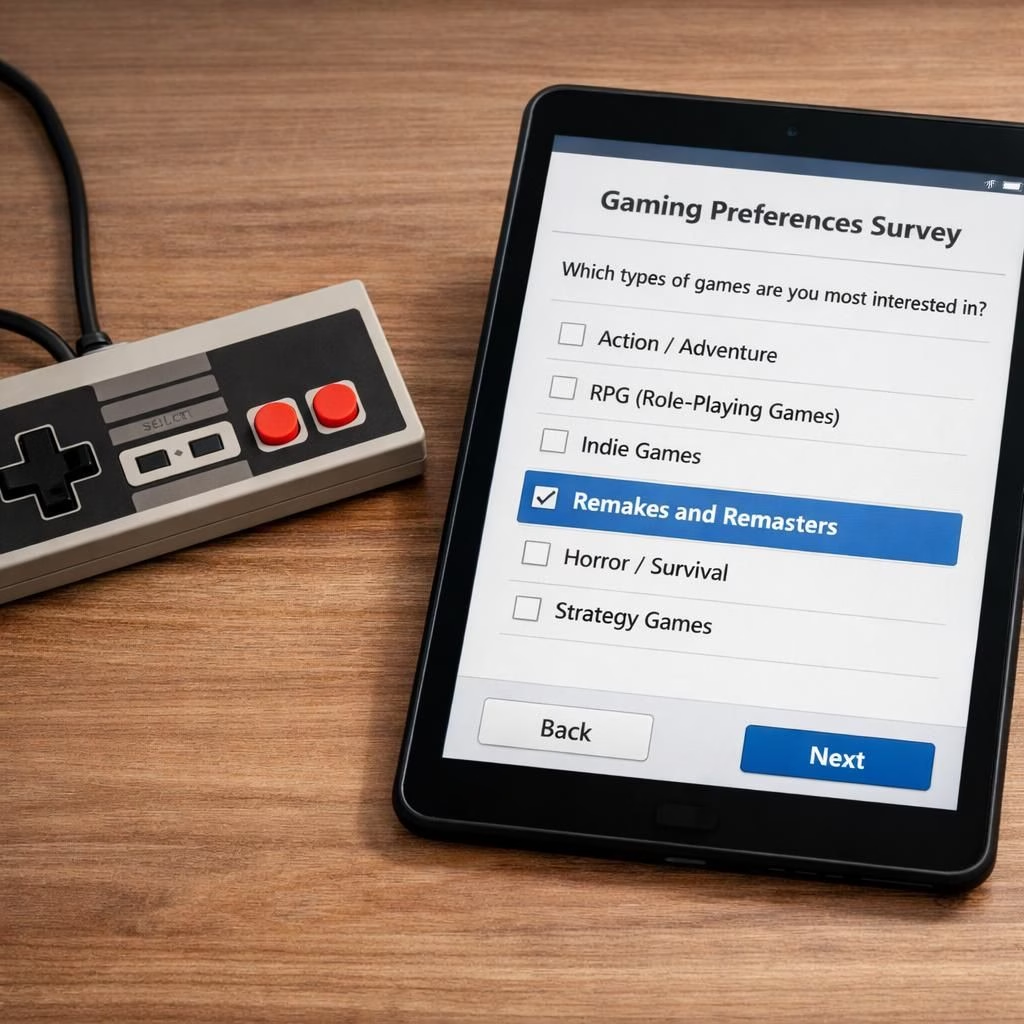
Remakes and Remasters are the new weather in the gaming world, and Square Enix has tossed a polite fishing line into the fan pond with a fresh survey. The goal looks like a balanced mix of curiosity and strategy: ask players what they’d pay for updated graphics, revised dungeons, or a nostalgia trip that still respects the original tune. In 2026, when every franchise seems to relaunch itself with a new coat of pixels, this survey feels less like a novelty and more like a test of public memory and corporate timing. The phrase Remakes and the word Remasters appear in the same breath here, and fans are listening for signals about which classics might return and how much modern polish they expect.
Remakes Fever: Why Fans Care in 2026
Fan interest in Remakes runs deep. Remakes offer a chance to retell a beloved adventure with modern controls, updated UI, and fresh side quests. Yet they must respect the original pacing, music, and atmosphere or risk anger from longtime players. When Square Enix invites feedback through a survey, it signals listening before leaping. Remakes can become a market test, not just a dream sequence for fans. The community responds with enthusiasm and caution; they want polished visuals, but they also want the core experience to breathe in 2026. Some players will trade a few frame rates for fidelity, while others demand new endings or alternate routes. The key lesson remains: Remakes succeed when the core experience remains intact and the newer presentation serves rather than dominates.
Remasters Strategy: The Cozy Classics Comeback
Remasters stay closer to the original, but with better resolution, faster load times, and sometimes updated textures. They appeal to players who long for the old vibe but don’t want every battle to feel like a slog from the 1990s. In a market where indie nostalgia competes with big budgets, a well executed Remasters can be a prudent gamble. Square Enix might test appetite for Remasters of specific catalogs through this survey. The advantage is lower risk; the team can amplify mood with modern audio, smoother frame rates, and compatibility with current platforms. The pitfall is a perception that nothing new is happening, which can frustrate players waiting for a real leap. The balance lies in choosing projects with staying power and delivering with care rather than haste.
From Fan Voices to Publisher Decisions
Surveys do not guarantee production, but they shape internal conversations. When fans speak with a clear voice, executives look at demand, cost, and timing. The outcome is a spectrum: a beloved title could revive as a sleek Remake, or a full Remaster could appear with reimagined mechanics and new content. It is a moment where fans feel seen and developers feel responsible to deliver something faithful and fearless. The reality remains that budgets, licensing, and development cycles determine what lands on shelves first. Still, a positive survey result can spark momentum to greenlight a project that felt risky in the past. If a franchise endures in the community, a measured path for Remasters or Remakes can maximize momentum without burning out players.
To be practical, any plan must align with platform realities, including modern PC and console hardware, accessibility options, and fair pricing. The best Remakes and Remasters treat players as partners, not mere buyers. The 2026 landscape rewards quality, quick loading, and a respectful nod to where the series began. The survey also highlights how fans judge success: clear value, thoughtful design choices, and a soundtrack that honors the original while welcoming new ears. In short, the best Remakes and Remasters feel inevitable, not forced, inviting new generations to discover old favorites without turning nostalgia into a prerequisite to play. The more Square Enix listens, the more likely we see titles that satisfy both longtime fans and curious newcomers.
Practical checkpoints for evaluating a Remake
- Controls and accessibility: For Remakes, ensure modern controls; for Remasters, improved accessibility options add value.
- Content fidelity: Preserve pacing, music, and atmosphere in Remakes; maintain original charm in Remasters while upgrading visuals.
- New content vs. polish: Remakes may add new chapters; Remasters focus on polish, not necessarily new content.
FAQ
- What is the difference between Remakes and Remasters?
A Remake rebuilds the game with new assets and mechanics, often changing visuals and play flow. A Remaster upgrades graphics and performance while preserving core systems.
- Will Square Enix actually release these?
Surveys signal interest and help shape internal decisions, but they do not guarantee a project. Budgets, licensing, and schedules matter.
- How can fans influence the outcome?
Clear, constructive feedback in public forums or official surveys helps publishers gauge demand and refine scope.
- Where can I read the official coverage?
References at the end point to the original GoNintendo report and related coverage.
In summary, the process matters. Fans and publishers are part of a dialogue that can shape which classics get revived and how they feel modern without losing their identity. The conversation around Remasters or Remakes in 2026 reminds us that games are living artifacts, capable of honoring memory while inviting new momentum.
Share your thoughts below. Which Remakes or Remasters would you chase first for Square Enix in 2026?
Original article: GoNintendo — Thank you to GoNintendo for the original reporting and thoughtful coverage. Source: https://gonintendo.com/
References
Original source: https://gonintendo.com/contents/57779-square-enix-survey-asks-fans-about-potential-remakes-remasters