

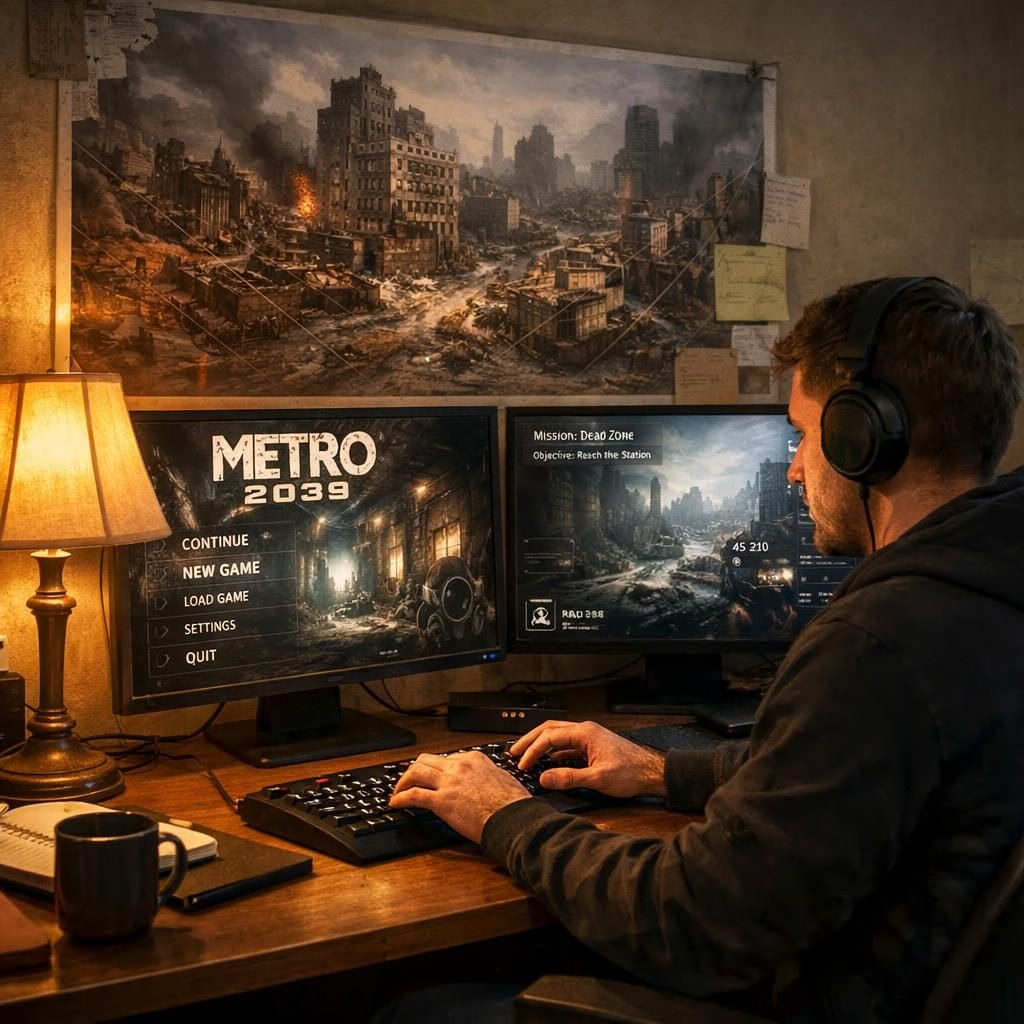
Metro 2039 and Ukrainian developers have a knack for turning rubble into code. They translate a grim real-world situation into a hopeful game narrative about resilience and teamwork. In 2026, their work blends war-time grit with nerdy optimism.
They push players to smile, think, and wonder what comes next. The studio keeps the mood light through practical jokes and late nights. Laser-focused debugging sessions still respect the human stakes.
Metro 2039 and Ukrainian developers: A hopeful story in 2026
From sketches to the latest build, this project shows a game can survive chaos without losing play. The team treats constraints as a design partner. They map risks early, so a power outage doesn’t erase a day’s progress.
They pick approachable art directions that look fresh but don’t demand big budgets. Smaller teams own more systems, and quick iterations beat red tape. The result feels like a sprint with snacks and good jokes, not burnout.
They lean into accessible tools and familiar engines. The focus is on quick, meaningful decisions, not long world-building reports. The art leans retro while staying modern, avoiding clichés.
Players move through a city that feels plausible and cinematic, balancing immersion with clarity. For Metro 2039, the team keeps the scope tight and ships early. This approach keeps the workload manageable while teaching new developers to ship.
Metro 2039 and Ukrainian developers: Craft under pressure
Open culture helps. The team shares code, notes, and feedback loops.
This openness shrinks the gap between studio and players. They can work around outages and shifting schedules. Constraints become features, not excuses. The collaboration with Ukrainian developers continues to grow under pressure.
The studio schedules sprints around safety windows and power availability. This disciplined rhythm leads to a calmer, more intentional product.
Dialogue centers on humanity as much as gunplay. Writing favors restraint and empathy.
Sound design uses punchy cues to maintain rhythm. Music underlines hope rather than despair, a small morale boost in uncertain times. Developers test interactions that reward teamwork and clear communication during skirmishes. The Metro 2039 mindset of disciplined shipping guides the process from draft to release.
Readers curious about behind-the-scenes life can explore grants and local partnerships. Open-source tools reduce risk. A small team with clear goals can deliver a thoughtful experience that speaks to perseverance, teamwork, and hope. This approach invites mentors, workshops, and local civic support to strengthen the pipeline.
Want to help? Support the developers through official channels, share the project, and leave constructive feedback. Every positive action counts in tough times. Tell us your thoughts in the comments.
Original reporting here: Original Ars Technica reporting with thanks.