

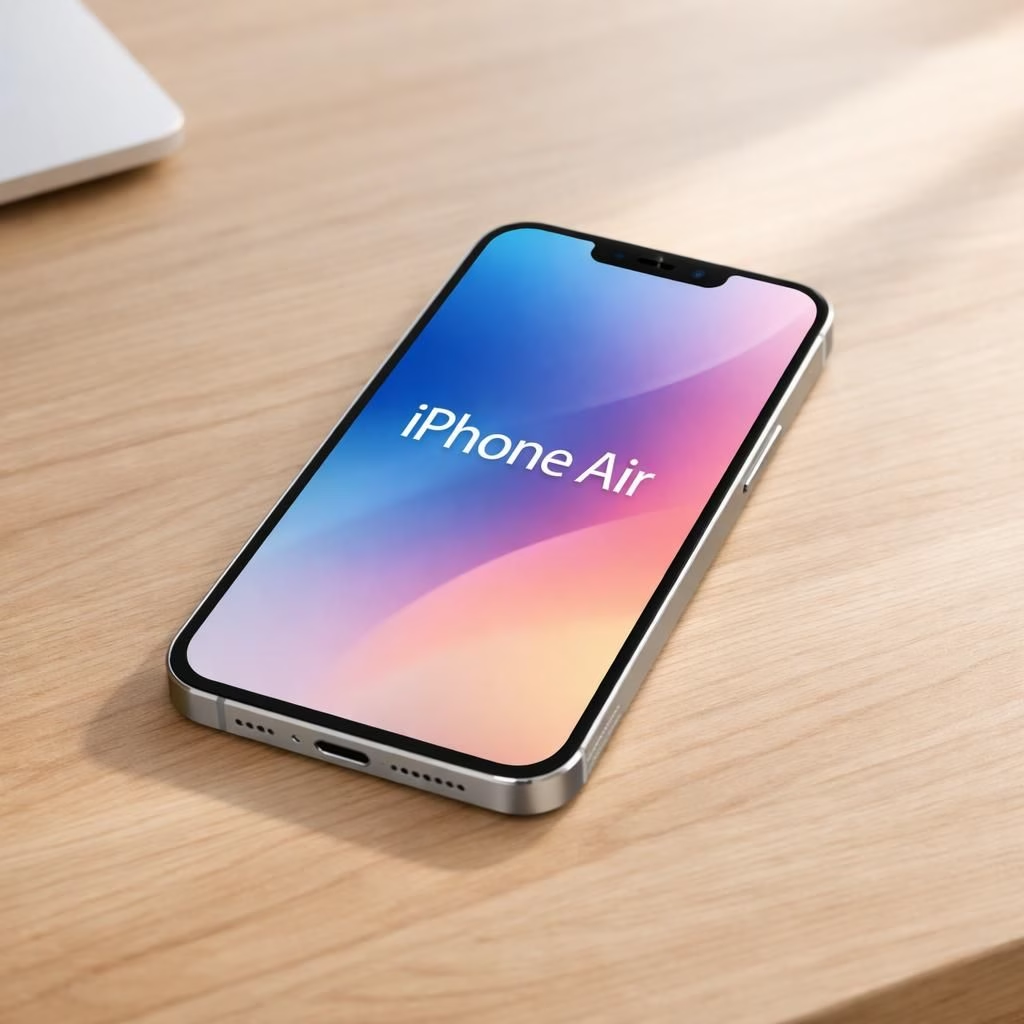
As a gadget zealot who values a good narrative as much as a good battery life, I finally met the iPhone Air. The Verge helped shape the conversation with its signature mix of clarity and wit, and this post rides that wave with a positive spin.
iPhone Air: A practical unboxing journey
From the moment the box opens, the iPhone Air shows intent with its slim profile and clean lines. It feels lighter than expected, which is good news for pockets and long days. The screen turns on with a brightness that doesn’t shout; it simply says, “Hello, we’re here.” The improvements in display reflect a practical approach: vibrant colors for photos, gentle contrast for reading, and enough energy efficiency to survive a weekend of use. The Verge would likely applaud the balance, and I’m glad to echo that sentiment in practice.
Performance is snappy without fanfare. Apps respond with a quiet confidence that says, “we know what you need, and we’ll do it in the background.” The iPhone Air handles photo edits, messaging, and casual gaming without breaking a sweat. Battery life holds up for a long day and a few hours of light streaming. This isn’t about chasing benchmarks; it’s about a device that fits into daily rhythms. If you value consistency over drama, the iPhone Air earns its keep.
Camera quality is a pleasant upgrade for everyday memories. Shots stay clean under indoor lighting, and the phone’s software does a fine job of balancing exposure. It’s not a studio rig, but it doesn’t pretend to be. The result is reliable photos you can post with minimal fiddling, which is exactly the kind of efficiency many of us want in a modern pocket camera.
The Verge-Inspired Take on the iPhone Air
When The Verge reports on a new Apple device, readers expect clarity and context. The iPhone Air continues that tradition with thoughtful tweaks: a comfortable grip, a responsive screen, and a design that avoids gimmicks in favor of usability. This phone isn’t trying to be the loudest in the room; it aims to be the most dependable companion for everyday tasks. The Verge would note the subtle improvements in cooling, the refined haptics, and the smoother transition animations that make daily swipes feel a bit more graceful.
Software remains a strong suit. iOS feels refined, with widgets that are accessible and a notification system that doesn’t hijack your attention. The iPhone Air’s integration with services you already rely on is a crucial win. You can juggle messages, maps, and music with confidence, and you won’t constantly be chasing settings. The Verge would note that the measured tone matches the experience: practical, informed, and a touch of humor where it’s due.
Security and privacy are addressed with calm assurance. Features such as on-device processing, app permissions, and quick passcodes help keep data safe without turning the device into a lockbox tour. It’s not a fortress; it’s a carefully designed toolbox that respects your time and your privacy. The Verge would likely emphasize that this balance matters when you carry a device all day, every day.
In daily life, the iPhone Air proves resilient. It handles calls while you juggle errands, taps out messages between meetings, and streams a podcast during a commute. The fit and finish feel deliberate, not flashy. It’s easy to recommend to someone who wants a straightforward, reliable phone that doesn’t demand a sermon on why it’s different. The Verge would probably call this a grounded choice with a touch of clever engineering.
Why this model stands out in 2026
In 2026, the smartphone market rewards steadiness more than bravado. The iPhone Air answers that call with a balance of efficiency and elegance. It doesn’t tempt you with every new feature, but it does a few things well and sticks with them. If you want a device that helps you work, capture moments, and stay connected without constant switchbacks, this model earns a place in your daily routine.
Finally, the unboxing ritual becomes a small celebration of design and intention. The iPhone Air doesn’t scream; it hums with purpose, inviting you to get comfortable and start using it. The Verge would be pleased to see practical improvements delivered without noise, and I echo that sentiment with a wink and a nod to user-friendly engineering.
If you’re curious about specific specs, I’ve included a quick, practical recap: screen size, processor, camera setup, battery life, charging options, and storage choices. The aim is to help you gauge fit for real life, not just for show. The iPhone Air matches the pace of everyday tasks with calm reliability, and that’s more valuable than dazzling rhetoric in many scenarios.
In the end, the journey with the iPhone Air feels less like a tech upgrade and more like embracing a dependable companion. The device listens, adapts, and keeps up with your routine, whether you’re a student, a professional, or someone who just enjoys a good gadget story. If you like crisp design, steady performance, and a dash of wit, this is worth your time and attention.
Original article courtesy of The Verge: I finally get the iPhone Air.
Have thoughts or experiences with the iPhone Air? Please share your thoughts in the comments below and join the conversation. Thanks for reading!
Practical steps to get started with the iPhone Air
- Unbox, power on, and follow the on-screen setup to restore from a previous iPhone or start fresh.
- Customize your Home Screen with essential widgets for quick access to messages, maps, and notes.
- Enable iCloud Photos and Privacy settings to keep memories safe across devices.
- Try MagSafe accessories, such as wallets or chargers, to enhance daily convenience.
FAQ about the iPhone Air
- What makes the iPhone Air different from other iPhones? It emphasizes reliability, a balanced display, and a calm software experience focused on daily tasks.
- How is battery life on the iPhone Air? It lasts through a full day with moderate use and occasional streaming.
- Is the iPhone Air compatible with MagSafe? Yes, it supports MagSafe accessories and wireless charging.
- Does the iPhone Air support 5G? Yes, it includes modern cellular radios for fast network access.
For more details, consider visiting the official product page or privacy resources as you explore the device.
Conclusion
The iPhone Air stands out for its reliability, balanced display, and thoughtful software, making it a practical daily driver rather than a flashy novelty. If you want a device that handles work, photography, and calls with quiet competence, this model deserves your attention. Consider it a dependable companion for students, professionals, and gadget enthusiasts alike.
References