

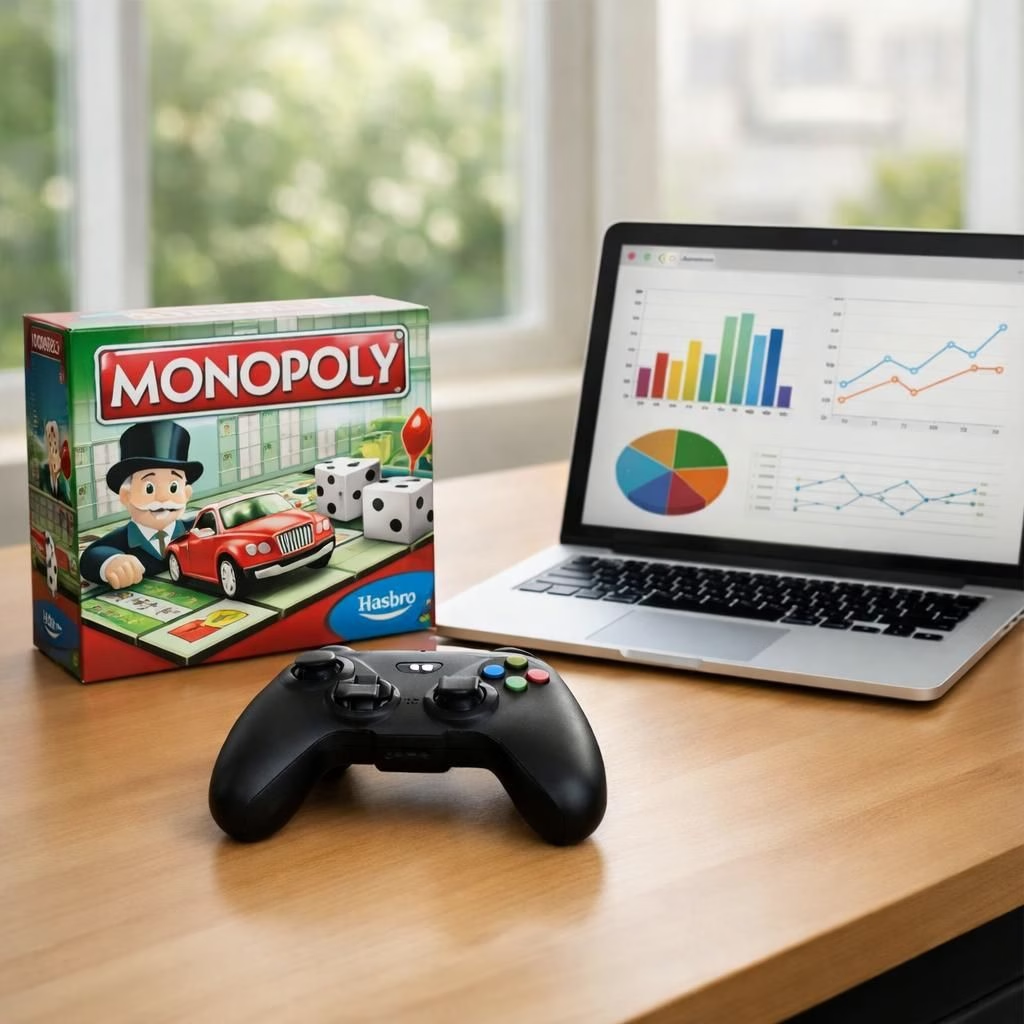
Hasbro’s big push into Gaming and digital frontiers has long been a boardroom topic. Promises of cross-media synergy and revenue gleam on slide decks. The plan sounded bold: partner with studios, set a steady release cadence, and turn beloved toy lines into evergreen live services. Reality offered a different script: delays, uneven monetization, and a sense that some ideas are easier to sketch than ship.
Hasbro Gaming Strategy in 2026: The Reality Check
Viewed through a product-fit lens, the Gaming push reads like a mix of nostalgia and quarterly forecasting. Hasbro hopes to translate fan-favorite board games into scalable digital experiences. The challenge goes beyond code and servers. It includes audience alignment, licensing rights, and a clear promise that games are worth players’ time and money. The team has learned that the gap between a beloved board game and a successful live-service title is often longer than a roadmap can handle.
Licensing deals for IP like Transformers or Monopoly to drive digital experiences require cross-ownership agreements. They can turn a simple launch into a regulatory maze. The push must balance platform constraints, timing, and talent readiness. Hasbro’s effort sometimes feels like assembling a furniture kit while the instruction manual updates mid-assembly. Still, the team keeps pivoting with a steady hand. In short, licensing, timing, and talent decide whether a game ships with drama or dignity.
Hasbro Gaming Push: Licensing, Timing, and Talent
Licensing deals for IP like Transformers or Monopoly require cross-ownership agreements. They can turn a simple launch into a regulatory maze. The Gaming push needs a clear map: who owns what, who pays what, and who signs off on a release date. Hasbro has learned that success depends on talent who can translate a board game’s feel into a smooth online experience, not just a glossy trailer.
From Kotaku’s reporting, early signs show friction: dev studios push against overlapping IP rights, players crave authentic game logic, and monetization models must respect player trust. The cure is transparency, investments in road-tested tech, and an understanding that some projects take longer to mature than a quarterly KPI.
Hasbro Gaming Lessons: Execution Gaps and Small Wins
In 2026 the Hasbro Gaming initiative is learning to separate hype from real progress. The company tests small, incremental updates before ambitious cross-platform rolls. The focus is on quality control, robust QA pipelines, and a commitment to honest release cadences. It’s not a victory lap, but a pragmatic sprint that recognizes that theory often needs rework in practice.
There are tiny wins: better collaboration between licensing teams and developers, improved user experience on launch days, and a measured approach to microtransactions that respects players. The balance remains delicate, but the street-level view is hopeful when teams align on a common vision: fun, fair, and functional Gaming experiences built on a solid foundation.
For readers with a taste for the numbers and the narratives, the takeaway is simple: test early, listen to players, and avoid overpromising on a single big reveal. Hasbro will likely keep iterating, learning, and perhaps surprising us with genuinely delightful Gaming experiences in 2026.
Original reporting by Kotaku: Hasbro’s Big Video Game Push Is Already Struggling. Thank you to Kotaku for the original reporting.
Have thoughts on Hasbro’s Gaming strategy in 2026? Share your thoughts in the comments below.
Practical steps for studios and fans
- Start with a tight licensing map: define IP ownership, revenue splits, and release gates before code is written.
- Prioritize a playable, authentic feel over flashy but hollow trailers to build trust with players.
- Use small, iterative updates to test monetization models and gather feedback without alienating fans.
FAQ
- What went wrong with Hasbro’s 2026 Gaming push? The effort faced licensing complexity, shifting expectations, and prioritization issues that slowed progress.
- Will Hasbro pivot to fewer titles or more live-service formats? Expect pilots and ongoing experiments; the company is balancing breadth with depth.
- Is player trust considered in monetization decisions? Yes. The strategy emphasizes transparent economics and fair monetization.
Conclusion: What to watch next
Hasbro’s ongoing Gaming experiment offers a case study in balancing nostalgia with modern live-service realities. Look for clearer licensing guidelines, more disciplined roadmaps, and updates that land with players rather than merely generating hype.
References
External context: major outlets like The Verge and Reuters Technology regularly analyze how big brands pursue cross-media strategies. For official updates, visit Hasbro Investor Relations.