

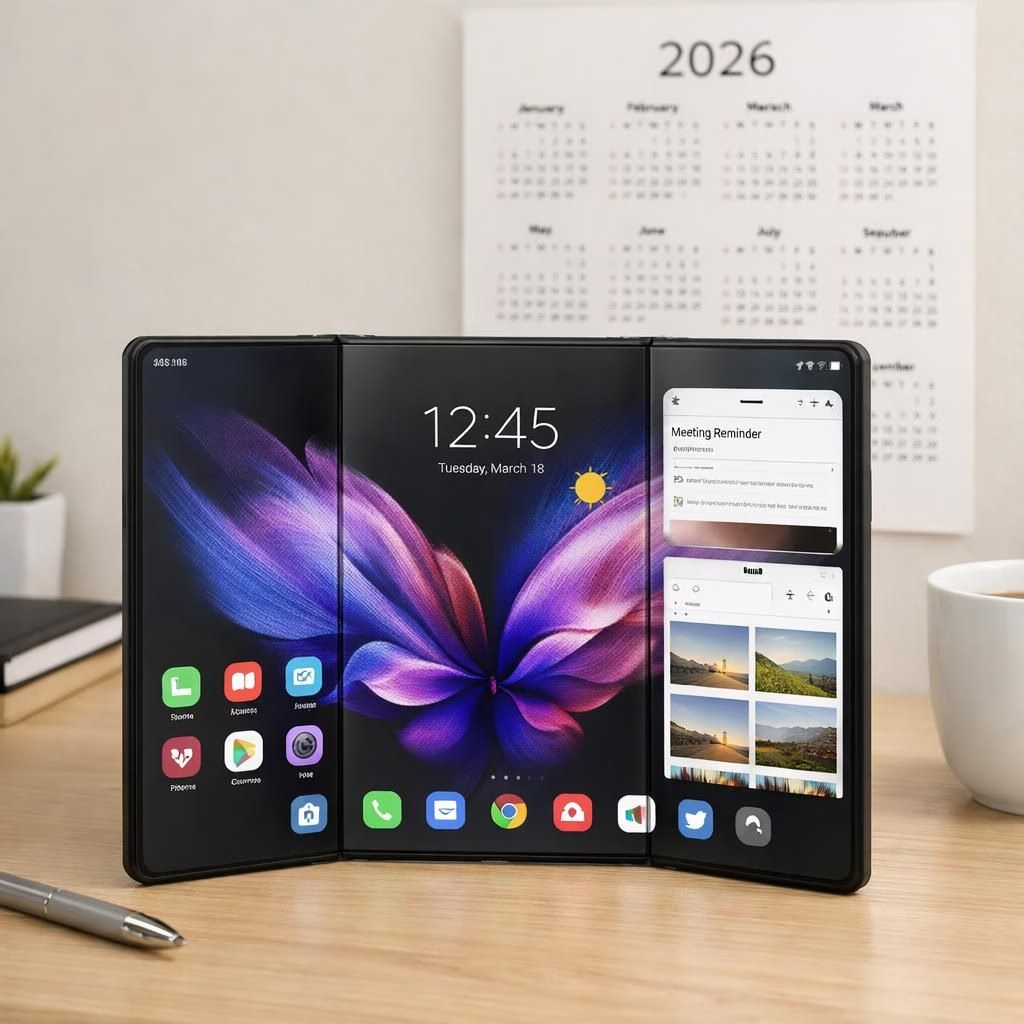
Welcome to the curious saga of the Galaxy Z TriFold and the brand we all associate with bold bets: Samsung. This post acts as a lighthearted autopsy of a device that sprinted out of the gate and promptly limped into gadget lore. It promised a portable screen revolution, a device that could fold like a comic book and still feel premium. The launch created heat that cooled faster than a snow cone in July. Yet in the real world, the Samsung TriFold launch fizzled faster than a soda left in the sun. The market spoke in plain terms: not every leap lands perfectly. And here we are, three months later, asking what happened and what it means for buyers and fans. The lesson is not betrayal by technology. It’s a reminder that hype needs a healthy dose of practicality. So let’s unpack what went wrong and what it means for readers who buy gadgets for fun and not just for headlines.
Galaxy Z TriFold: Launch promises vs reality
The Galaxy Z TriFold was pitched as a pocketable revolution, blending a premium feel with a flexible screen. In practice, the device shipped with a price tag that sparked sticker shock and questions about durability. Early hands-on reports highlighted creases near the hinge, weight that felt unconventional, and software quirks that slowed routine use. The initial excitement gave way to careful scrutiny as analysts measured value against reality.
Samsung pricing, durability, and market expectations
Pricing and durability became the central debate. While the design was bold, the asking price looked misaligned with what most buyers considered reasonable for an experimental foldable. That mismatch helped fuel a broader conversation about when foldables make sense and who should buy them. The conversation wasn’t purely about specs; it touched on user experience and long-term reliability.
Why it failed to take off
Several factors converged to slow momentum. Supply constraints and marketing mixed with a real-world battery life experience that didn’t always live up to expectations. The Z TriFold’s fold mechanism impressed some reviewers, but many wanted more everyday practicality before committing. In short, it was ambitious, but the market needed a clearer path to value.
For readers evaluating this kind of device, the lesson is clear: high-end ambition should come with a credible plan for durability, price, and practical use. When a product promises a “foldable revolution” but lands with software bugs or limited software support, consumer confidence takes a hit. In other words, hype needs a strong, grounded argument for why you should buy now, not later.
Practical takeaways for future foldables
- Look for devices with transparent pricing tiers and a clear upgrade path.
- Test real-world durability: hinges, displays, and long-term battery life matter more than the novelty of folding.
- Watch for robust software support and timely updates that improve day-to-day experience.
FAQ
- Was the Galaxy Z TriFold worth it at launch? For most buyers, the answer leaned toward “not quite” given the price-to-value mismatch and durability questions.
- Did the hinge design prove reliable over time? Early impressions varied, with some units performing well and others showing wear after mixed usage patterns.
- Will Samsung revisit this design? The company tends to refine concepts over generations; expect lessons from this model to influence later foldables.
- What should buyers watch for next? Look for improved hinge technology, better software support, and clearer sustainability stories.
Conclusion
Ambition matters in hardware, but so does practicality. The Galaxy Z TriFold showed what’s possible when a company pushes the boundaries of foldable design. While this particular model didn’t win over the market, the underlying lessons—durability, price clarity, and real-world usefulness—will guide Samsung and competitors as they refine future devices.
External context
For broader context, coverage from Bloomberg and The Verge explored the market dynamics around foldables and the reception to bold designs.