

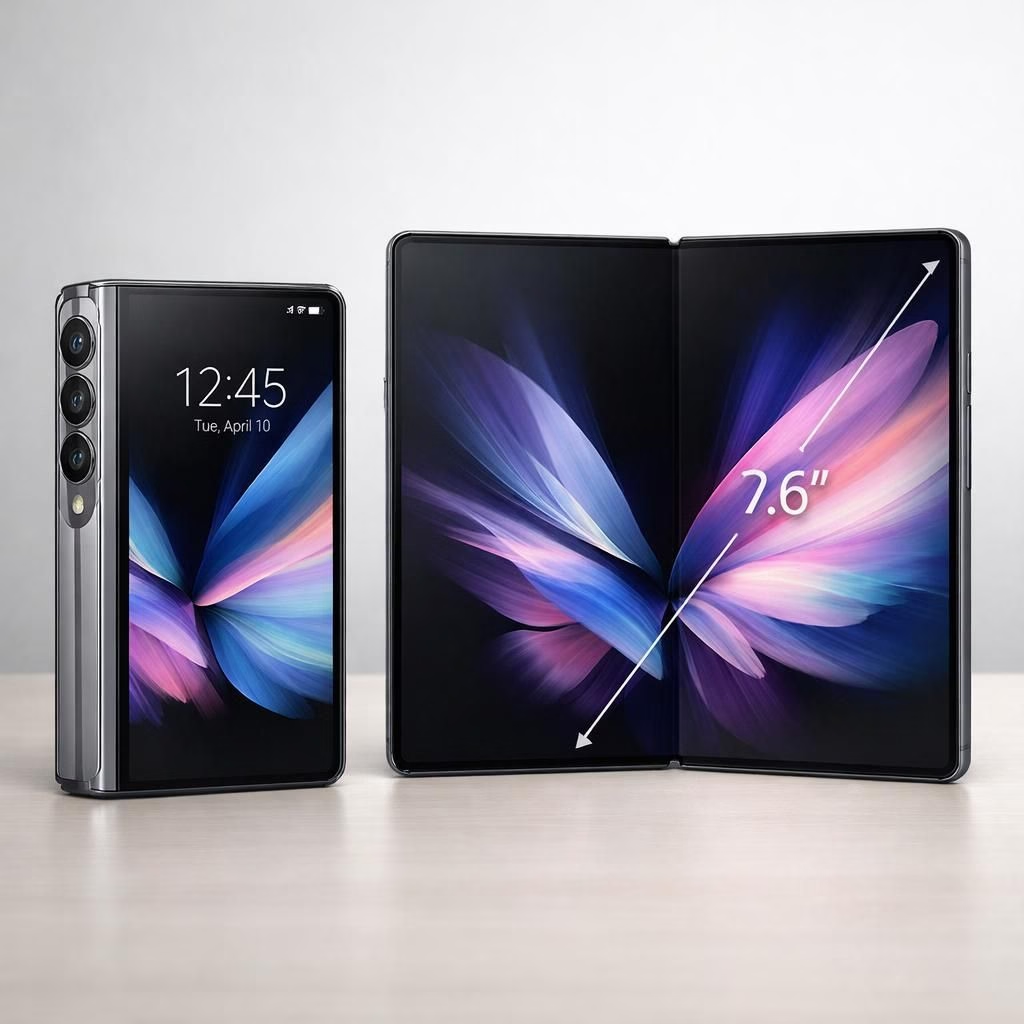
As a AI foldable device, the Galaxy Z Fold 8 marks a bold bet on how big a phone can feel while remaining pocketable in daily life.
Yes, it closes to a compact 5.5-inch passport, and opens to a generous 7.6-inch screen that invites multitasking, streaming, and note-taking in a cafe that fancies itself a cinema. This is foldable engineering with a wink, a clear nod to the idea that bigger screens can be used without sacrificing pocket courtesy.
The price tag of $1,900 places the Fold 8 at the premium end of the foldable spectrum, with the Fold 8 Ultra and Flip 8 in the same orbit. Samsung positions this trio as a premium, experimentation-driven push in a market critics say is plateauing. It’s a bold statement that foldable devices can still surprise, given the right balance of design, durability, and AI smarts.
Foldable AI Core: Design, Batteries, and Display
Two big hardware ideas stand out: Flex Titanium for a thinner, tougher main display and silicon-carbon batteries for higher energy density. The crease gets minimized, the frame gets lighter, and you feel less like you’re wrestling a cliff-edge every time you peek at a notification. All three devices rely on AI-driven features—Samsung’s Galaxy AI and Google’s Gemini—to smooth performance and adapt to wider screens. The result is a camera and app experience that feels less like a gadget and more like a tool for real work and real play.
Foldable AI in Everyday Life: Apps and Usage
Samsung says it collaborated with Google to optimize apps for the wider 7.6-inch canvas, which matters for productivity, reading, and video. The larger display makes multitasking more practical, though it’s fair to note that typing with one hand on a broad surface can be awkward. On the software side, AI-driven features help manage windows, suggest actions, and keep transitions smooth as you switch between tasks. In practice, foldable experiences require a touch more planning, but the payoff is a more flexible device that can morph from e-reader to mini TV to chat hub in a single batch of swipes.
The market story remains clear: ultra-premium devices lead the charge. IDC projects foldables to grow about 20 percent year over year in 2026 and again in 2027, while still representing a small slice of all smartphones. The price premium sticks around, and analysts expect average selling prices to edge higher. Foldable love is mostly about the experience—content, multitasking, and a dash of AI-assisted polish.
Alongside the hardware, Samsung teased smart glasses built with Warby Parker and Gentle Monster. An external camera, mic, and speakers link to Gemini AI for voice control and contextual help. It’s a teaser rather than a full-blown launch, but it hints at a larger foldable ecosystem where AI shapes wearables as well as phones.
Competition is heating up. Apple is widely tipped to bring a foldable iPhone, possibly a wide, book-like form that opens into a mini tablet. If foldables become mainstream, Samsung’s premium strategy could pay off by keeping the field aspirational rather than merely practical. Analysts stress leadership, not just headcount, in this space, and AI-driven software wheels in more compelling use cases.
For consumers, the Fold 8 lineup asks a simple question: do you want a device that doubles as a tiny cinema and a productivity station, or a smartphone with a very cool hinge? The answer depends on how much you value a larger canvas, AI-driven features, and the thrill of owning something distinct. If that sounds appealing, the Fold 8 family deserves a closer look—and yes, foldable design can feel delightful when it works well.
Pre-orders are open now, with sales starting August 7. If you enjoy gadgets that spark conversations and questions about form factors, this trio is engineered to deliver. The premium price is real, but the experience can justify it for enthusiasts who want both style and substance in a single, foldable package. AI features are backstage talent here, quietly enhancing the big screen experience and app compatibility for a smoother journey.
Foldable design and daily life balance
The passport-inspired silhouette is not just a visual gimmick; it rethinks how you carry and use a high-end device. The broad exterior and wide interior canvas invite a shift in how you approach reading, note-taking, and media. Loyal fans of pocketable phones may need a short adjustment period, but the trade-off can be compelling for power users who push apps to the limit.
AI-powered workflows on a wider canvas
The software side leans into AI to manage windows, optimize app layout, and offer context-aware suggestions as you move between tasks. This is not about gimmicks; it’s about a more flexible mindset for multitasking on a big screen while keeping interactions smooth and intuitive.
- Use multi-window to watch a video and draft notes at the same time.
- Switch quickly between reading mode and a messaging pane without losing context.
- Leverage AI-assisted actions to automate routine tasks across apps.
- Enjoy streaming or reading in bed or on the couch with a compact mirrored setup when closed.
Analysts note that premium foldables are a small market today, but they’re a proving ground for new form factors. IDC’s outlook points to continued strong demand for high-end devices, while average selling prices may trend upward as AI-centric software adds value to the hardware.
Samsung also previewed smart glasses developed with Warby Parker and Gentle Monster. The external camera, microphone, and speakers connect to Gemini AI for voice control and contextual help. It’s a teaser that hints at a broader ecosystem where AI extends beyond phones, shaping wearables and experiences to come.
The broader market could tilt toward premium options if foldables prove consistently practical and stylish. Apple’s anticipated foldable iPhone could intensify competition, potentially expanding the segment beyond early adopters. In that scenario, the Fold 8’s mix of a distinctive canvas, durable construction, and AI-backed software may help Samsung maintain leadership in this niche while pushing the category forward.
In the end, the Fold 8 family asks readers to weigh a big screen against everyday practicality. If you prize a cinema-like experience, robust multitasking, and a dash of novelty, this trio deserves a closer look. The journey from prototype to real-world habit is what matters most—and Samsung is betting that is where foldables will stay relevant.
References and further reading will appear below. For those curious about the original reporting that inspired this rewrite, you can see the source linked in the References section.
FAQ
- What makes the Fold 8 passport design different from prior models?
- The Fold 8 centers on a wide 7.6-inch inner canvas paired with a passport-shaped closed form, aiming to deliver a larger viewing area without sacrificing pocketability.
- When is it available and how much does it cost?
- Pre-orders are open now, with official sales starting August 7. The price is $1,900 for the base Fold 8 model, positioning it at the premium end of the market.
- How durable is the design and what about the batteries?
- Samsung touts a tougher main display with Flex Titanium and silicon-carbon batteries designed for higher energy density and longer life, reducing typical endurance concerns with foldables.
- Will Apple release a foldable iPhone this year?
- Industry observers expect Apple to enter the foldable space, which could widen consumer access and push rivals to innovate further. The impact on pricing and availability will depend on how Apple packages this technology for mainstream buyers.
References
- Original Indian Express article
- IDC — market outlook for foldables
- Samsung Newsroom — Galaxy Z Fold 8 and ecosystem previews