

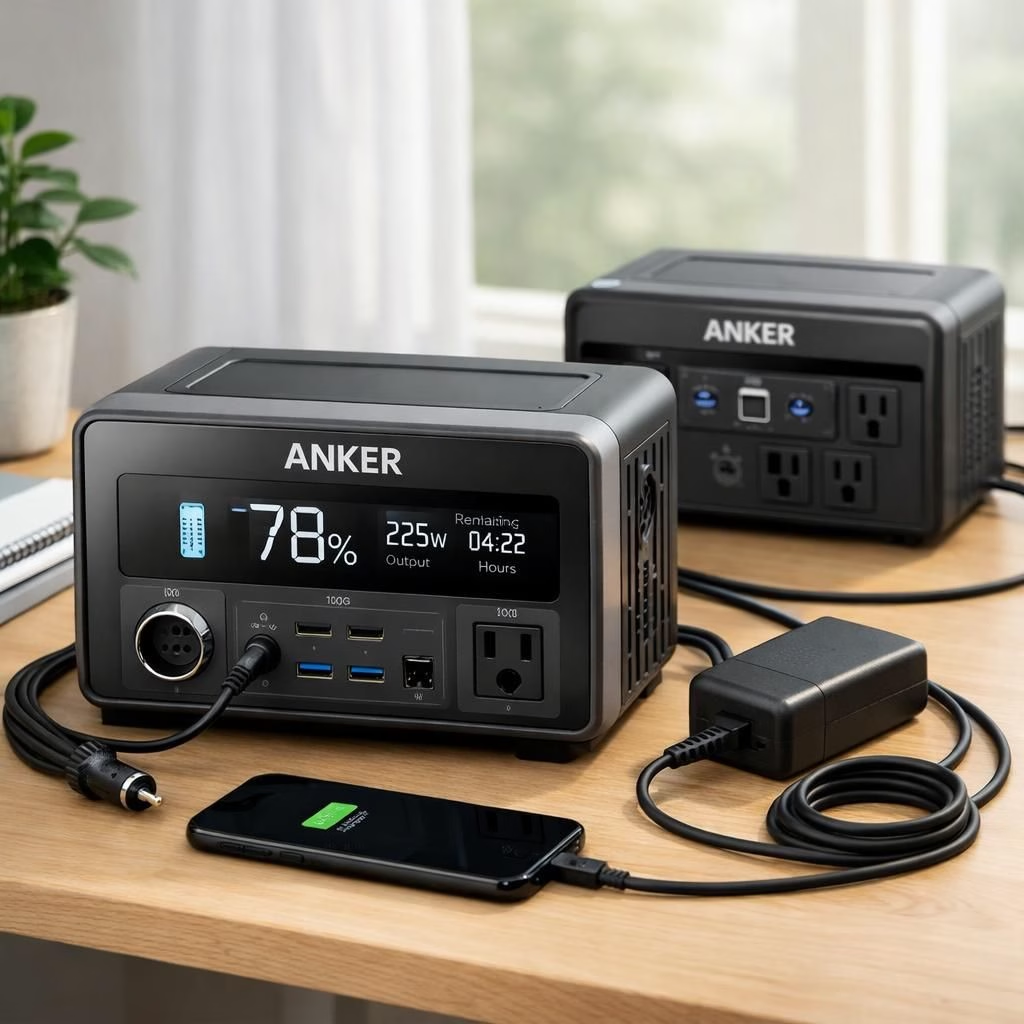
In 2026, the brand isn’t just selling gadgets; it’s selling clarity. a smart move by anker has targeted the two worst traits of power-stations, and power-stations newbies and pros alike will clap.
anker and power-stations upgrades that actually land
We start with the first fix: smarter battery management that reduces heat and prolongs life. For a product category that loves to brag about watt-hours, the discipline is in the details. The old models leaned on big numbers, but the new approach uses smarter cell balancing, thermal sensors, and smarter charging curves. The result is less degradation over time, and more reliable days off the grid. The brand avoids jargon by presenting improvements in plain language with a touch of humor.
Next, charging speed and user experience. The two worst things about power stations often involve the friction of plugging in, waiting, and uncertain readiness. The updated models charge faster because of faster internal controllers, improved power electronics, and smarter pass-through charging. The interface is friendlier too, with clearer indicators and a more helpful app. If you are the type who used to leave a LED on all night, you will see the difference in energy budgeting this year.
What changed under the hood
- Smarter battery management reduces heat buildup and extends cycle life.
- Enhanced thermal sensing and smarter charging curves cut degradation under heavy use.
- Cleaner software and a friendlier app help you budget energy with confidence.
anker and power-stations: practical tips to maximize the upgrades
To get the most from the refined units, start with a simple routine. Keep the unit in a cool place, avoid exposing it to direct sun for hours, and use official charging accessories. The smarter battery management is most effective if you avoid rapid, repeated full discharges.
In daily life, plan your energy use and charge sessions around actual needs. The result is a longer life per charge and less tinkering during a busy day. The synergy between hardware and software makes operation feel seamless, which is exactly what a user wants: a tool that just works when needed.
- Keep the device away from direct heat sources and shade it from prolonged sun exposure.
- Use the manufacturer-approved charging cables and adapters for best performance.
- Avoid letting the unit fully discharge too often; top up when practical.
Budget-minded buyers will appreciate that the improvements do not require a leap of faith. They are built on established chemistry and solid hardware choices. In practice, you will notice that the unit stays cooler during heavy loads and recovers more quickly after use. These are the signs of a well-tuned system that respects both safety and practicality. The team behind the product has delivered a quiet but meaningful update: reliability without gimmicks.
That last point is worth repeating: the two fixes were about reliability and speed, not about adding flashy gimmicks. A power unit that relies on bright marketing but falters in real life loses trust fast. The updated models emphasize real-world usefulness, which matters in homes, on job sites, and during camping trips. If you want a stress-free experience, this is the kind of update that makes a tangible difference. The craft shows in better heat control, cleaner charging curves, and more useful indicators. In short, the brand respects your time and your device.
In 2026, this combination of measurements and manners matters. The improvements are not flashy; they are durable, scalable, and tested. The shift in how power-stations are designed for heat, safety, and daily use is a sign of maturity in the field. For anyone who depends on portable power, the changes are reason to be optimistic, not simply amused by glossy marketing slogans. The human factor—ease of use—receives more attention, and that could be the most important outcome of all.
If you want to dig deeper, read the original Verge piece that sparked these discussions. We owe thanks to the original reporting for guiding this recap. Original article: Original article via Google News (The Verge). Thank you for the original source material.
FAQ: common questions about the upgrades
-
Do these upgrades apply to all models?
New units typically include the updates. Older models may show partial benefits unless upgraded, so check the product page for your exact model.
-
How does heat affect performance?
Excess heat accelerates wear and can shorten cycle life. The new design lowers peak temperatures, helping devices stay reliable longer.
-
What can I do to maximize battery life?
Keep the unit cool, avoid deep discharges, use official chargers, and plan charging around real needs to extend usable life.
For additional context, external authorities emphasize safe handling of lithium-ion storage and proper charging practices. See the references for more detail on battery safety and performance best practices.
Conclusion: a practical step forward
The improvements are durable, scalable, and grounded in real-world use. By lowering heat, speeding up reliable charging, and simplifying the user experience, these upgrades help power users stay productive without juggling risks. The shift toward better heat management and clearer indicators is a welcome sign of maturity in portable power. If you rely on a mobile setup for work, camping, or a busy home, these changes are worth a closer look.
We invite you to share your experiences with anker and its power-stations upgrades. Real-world stories help others pick smarter gear and avoid common missteps. If you’ve seen these tweaks save a camping trip or keep a home office running smoothly, drop a note below.
References
Original source linkback: https://www.theverge.com/tech/928420/anker-solix-s2000-power-station