

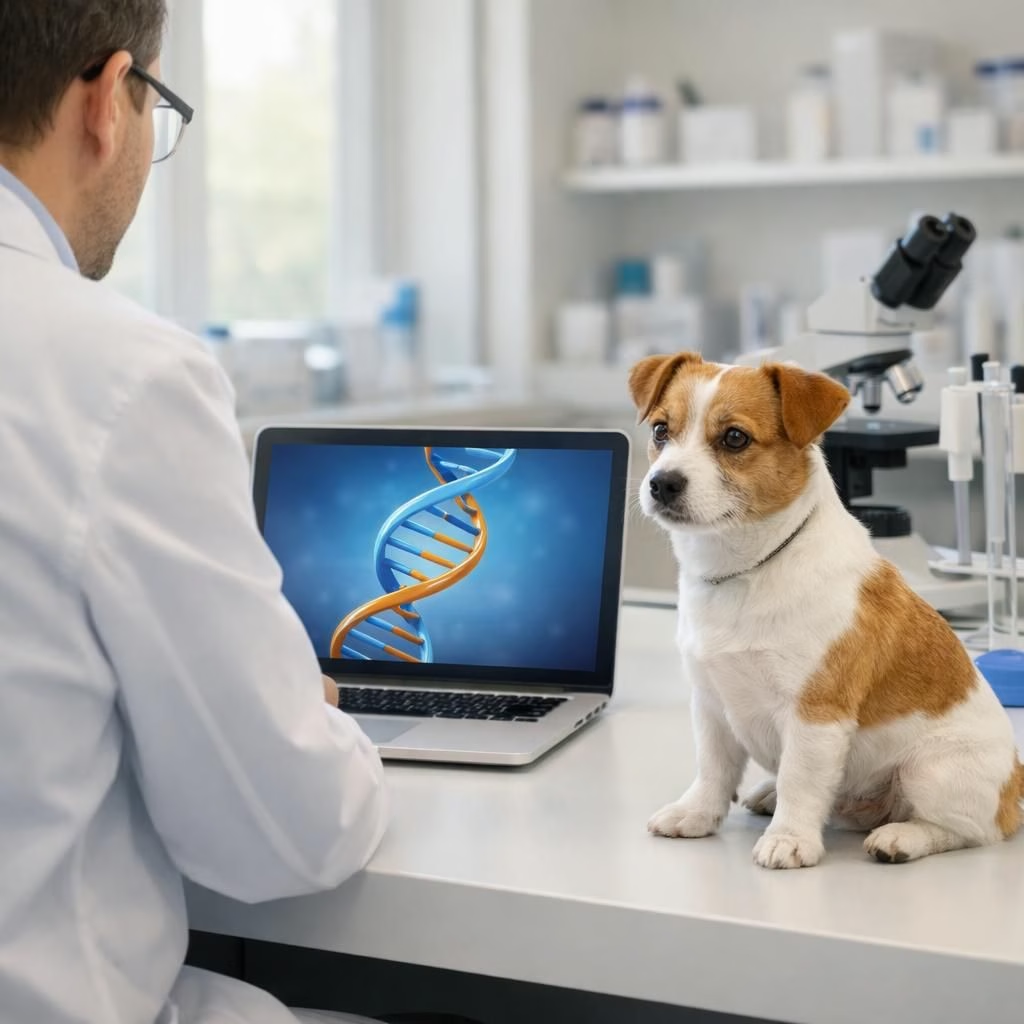
When Rosie, a friendly Staffy-Shepherd mix, faced cancer, her owner leaned on AI for a practical glimmer of hope. The plan fused DNA sequencing with clever computer-assisted reasoning and a stubborn dose of optimism. It wasn’t a miracle, it was a method: ask good questions, use smart tools, and listen to the dog in front of you.
Five years later, Rosie faced cancer.
AI-powered canine cancer story: a hopeful technical tale
Paul Conyngham, a seasoned AI practitioner, charted a path that married machine learning with veterinary science. He tapped into ChatGPT and other AI-assisted workflows to map out the sequencing strategy and an eventual treatment route. The team contracted the UNSW Ramaciotti Centre for Genomics to perform genomic sequencing for about AUD 3,000. That price tag may look steep in round numbers, but when you weigh it against potential gains in life quality and days with a wag, it starts to look reasonable.
Conyngham describes the process in plain terms: they compared Rosie’s healthy DNA with the cancer DNA to locate the problem. It’s like comparing the original engine of a car with a version miles down the road—the differences tell you where the wear and tear is hiding. The AI toolkit helped highlight mutations that could be targeted by drugs, turning raw data into a plausible treatment plan rather than a long shot on the backburner of science.
AlphaFold, the protein-structure engine from Google DeepMind, played a starring role. It helped researchers understand protein functions and map mutations to potential therapies. This is where AI shines in medicine: it can read patterns in complex biological data that would take humans years to interpret with the same precision. The combination of sequence data and AI-driven analysis allows the team to imagine a custom approach suited to Rosie’s cancer’s particular quirks.
The next move was to create a custom mRNA vaccine for the dog. In simple terms, the vaccine teaches Rosie’s immune system to recognize and respond to the cancer by guiding cells to produce a harmless viral protein. It’s a targeted nudge, not a magical cure, and it sits on the right side of ethical caution. The path required careful oversight, because the line between innovation and regulation can be a high cliff to climb when lives—and wagging tails—are at stake.
Ethics approvals did not arrive in a single afternoon. Paul recalls months of paperwork, with nightly writing sessions to complete a comprehensive, 100-page document. The process was not glamorous, but it proved essential. The team worked with researchers and veterinarians to ensure that Rosie’s welfare stayed front and center, even as they navigated the regulatory maze that surrounds experimental therapies in animals.
AI and cancer: vaccines, ethics, and life extension in 2026
The injections began in December, with boosters to follow. The cancer tumor responded by shrinking, though it had already reached an advanced stage. Paul keeps expectations grounded: this is not a cure, but it has bought Rosie more time and improved her day-to-day life. The team’s messaging is clear: the goal is quality of life and thoughtful extension, not dramatic hype. The plan now includes a second vaccine attempt aimed at addressing a remaining cancer while continuing to monitor Rosie’s health closely.
What does this story teach us about AI’s role in veterinary medicine and beyond? It shows a practical blueprint for how AI can assist clinicians in planning personalized therapies using sequencing data, public databases, and cross-disciplinary teamwork. AI is not a substitute for human expertise; it’s a powerful co-pilot that helps researchers ask better questions and prioritize the most promising directions. The human touch—the care for the patient, the ethics checks, the dialogue with pet parents—remains indispensable.
There are caveats worth noting. Access to sequencing, ethics paperwork, and clinical validation remains a barrier for many pet owners. Costs can be daunting, and not every cancer will respond like Rosie’s. Still, this case demonstrates a pragmatic approach: combine existing tools, keep a strict eye on welfare, and acknowledge that science is an ongoing conversation rather than a single victory lap.
Beyond the specifics of Rosie’s journey, the story invites us to imagine a future where AI aids veterinary teams without erasing the human elements that give care its heart. It’s a reminder that technology should amplify empathy, not replace it. When used thoughtfully, AI can help pet owners navigate tough diagnoses, offering reasoned options and honest timelines while preserving the bond between a family and a beloved animal.
If this tale resonates with you, I invite you to share your thoughts in the comments. Your questions and reflections help broaden the conversation about how AI-enabled science can serve pets and people alike.
Original article: Thank you to the author and outlet for sharing this story.
Practical steps for AI-assisted veterinary care
- Define goals with the vet team. Determine whether AI-informed insights will guide decisions rather than replace clinical judgment, especially for cancer.
- Secure ethics approvals early. Prepare a clear protocol, welfare safeguards, and monitoring plans.
- Integrate data sources. Combine sequencing data, medical history, and imaging to map a targeted plan for the cancer.
- Consult and communicate. Keep pet parents informed about realistic timelines and outcomes.
FAQ
- What is the role of AI in veterinary care? It analyzes complex data, supports clinicians, and helps prioritize research directions without replacing expertise.
- Are AI-based vaccines safe for animals? The approach in Rosie’s case is experimental and subject to ethics approvals; outcomes vary by case.
- What are the ethical considerations? Oversight, welfare, informed consent, and transparent reporting are essential when trials involve animals.
In the end, technology should amplify empathy, not replace it. When used thoughtfully, AI-enabled science can offer reasoned options and honest timelines while preserving the bond between a family and a beloved animal.
References
- Original source
- AlphaFold: protein structure prediction
- What are mRNA vaccines?
- Understanding mRNA vaccines